THE ADVENTURE COLLECTIVE® · Independent discovery and booking for outdoor travel

Explore Malta’s highlights in a compact four‑hour circuit: the Blue Grotto’s vivid waters, the vertigo of Dingli Cliffs, the medieval hush of Mdina and Valletta’s Baroque streets. Practical tips and local context for making the most of a single-day island sampler.
Explore Malta’s highlights in a compact four‑hour circuit: the Blue Grotto’s vivid waters, the vertigo of Dingli Cliffs, the medieval hush of Mdina and Valletta’s Baroque streets. Practical tips and local context for making the most of a single-day island sampler.
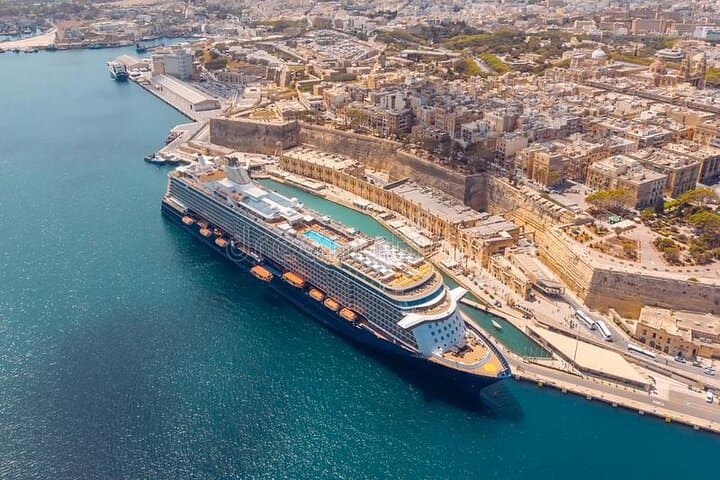
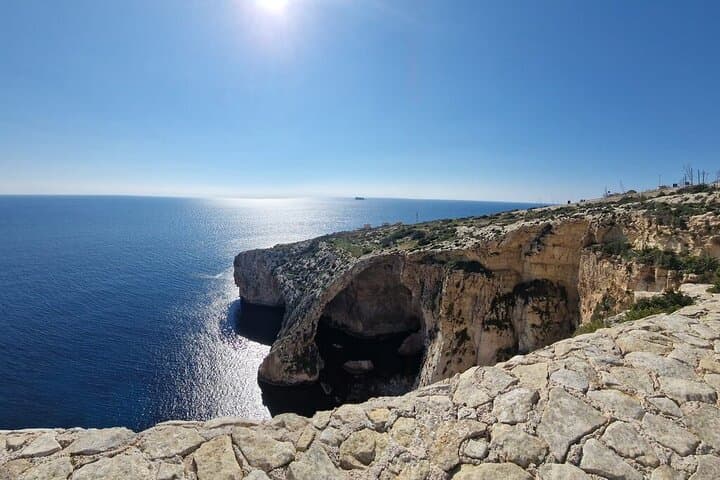
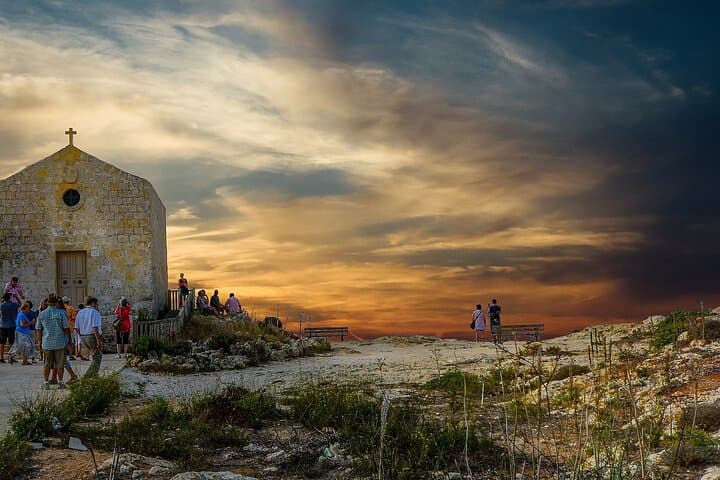
The day begins with salt on the air and limestone underfoot — a coach eases away from Valletta toward a coastline that throws itself into the Mediterranean. At the Blue Grotto the sea dares you to look deeper; sun-fired light refracts through caverns and paints the water unnatural blues. Later, the Dingli Cliffs hold their breath as the island drops away to open sea, a raw edge where wind and rock shape the view.
Verified experiences and guided adventures in the surrounding area.
Operated by MARLEN TOURS · Valletta, Malta
The day begins with salt on the air and limestone underfoot — a coach eases away from Valletta toward a coastline that throws itself into the Mediterranean. At the Blue Grotto the sea dares you to look deeper; sun-fired light refracts through caverns and paints the water unnatural blues. Later, the Dingli Cliffs hold their breath as the island drops away to open sea, a raw edge where wind and rock shape the view.
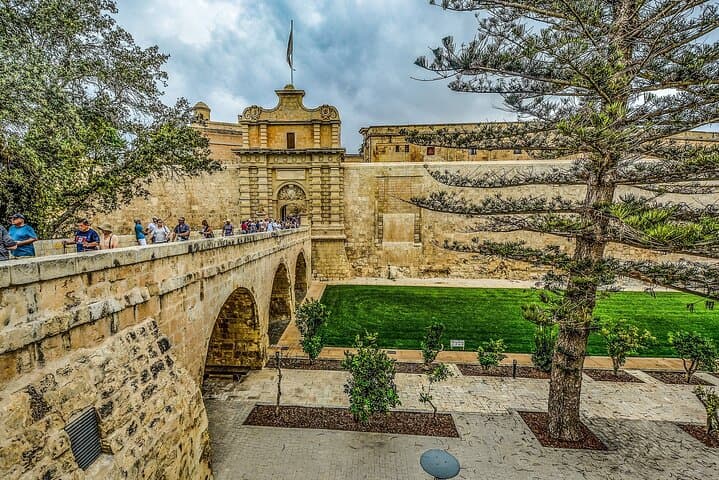
Malta’s story is written in fortifications and silent streets. Valletta’s Baroque facades reflect the era of the Knights of St. John; Mdina’s narrow alleys recall a medieval capital where stone and silence define the town. Geologically, Malta is compact limestone — karstified coasts and sheer cliff faces formed by uplift and erosion — giving rise to caves like the Blue Grotto and dramatic plateaus such as Dingli.
Local rhythms are laid-back: fishermen in small harbors, cafés serving ftira, and a culture shaped by centuries of Mediterranean exchange. Hidden corners reward the patient traveler with small chapels and rural views.
Practical guidance: the tour runs about four hours with short walks on uneven paths and cobbled streets. Bring sturdy shoes for cliff edges and Mdina’s lanes, a refillable water bottle, sun protection, and a light wind layer — the sea breeze can cut through. If you opt for the Blue Grotto boat, expect a 20–30 minute ride depending on conditions; it’s weather-dependent and often cash-paid locally. Morning light favors the grotto; late afternoon gives richer tones on Dingli. This route is accessible to most fitness levels but involves standing and short uphill sections — plan for comfortable pacing and camera-ready pockets.
moderate.
4 hours.
Suitable for most travelers with basic mobility; requires short walks on uneven and cobbled surfaces.
The boat is optional and often paid locally; it is weather-dependent and may be unavailable in rough seas.
Pick-up and drop-off are typically at the cruise terminal exit or arranged meeting points in Valletta as specified by the operator.
Mdina has narrow cobbled streets and some steps; parts are accessible but expect uneven surfaces and limited wheelchair access in historic lanes.
Local drivers and guides usually speak English; multilingual options depend on the operator and group size.
Malta’s fortified towns reflect centuries of strategic importance, especially under the Knights of St. John who shaped Valletta’s Baroque core.
Coastal erosion and tourist pressure affect cliffside habitats; stick to marked paths, avoid cliff edges, and support local businesses that follow sustainable practices.
MARLEN TOURS operates guided outdoor trips and adventures with an emphasis on safety, stewardship, and memorable experiences.
The day begins with salt on the air and limestone underfoot — a coach eases away from Valletta toward a coastline that throws itself into the Mediterranean. At the Blue Grotto the sea dares you to look deeper; sun-fired light refracts through caverns and paints the water unnatural blues. Later, the Dingli Cliffs hold their breath as the island drops away to open sea, a raw edge where wind and rock shape the view.
The day begins with salt on the air and limestone underfoot — a coach eases away from Valletta toward a coastline that throws itself into the Mediterranean. At the Blue Grotto the sea dares you to look deeper; sun-fired light refracts through caverns and paints the water unnatural blues. Later, the Dingli Cliffs hold their breath as the island drops away to open sea, a raw edge where wind and rock shape the view.
Malta’s story is written in fortifications and silent streets. Valletta’s Baroque facades reflect the era of the Knights of St. John; Mdina’s narrow alleys recall a medieval capital where stone and silence define the town. Geologically, Malta is compact limestone — karstified coasts and sheer cliff faces formed by uplift and erosion — giving rise to caves like the Blue Grotto and dramatic plateaus such as Dingli.
Local rhythms are laid-back: fishermen in small harbors, cafés serving ftira, and a culture shaped by centuries of Mediterranean exchange. Hidden corners reward the patient traveler with small chapels and rural views.
Practical guidance: the tour runs about four hours with short walks on uneven paths and cobbled streets. Bring sturdy shoes for cliff edges and Mdina’s lanes, a refillable water bottle, sun protection, and a light wind layer — the sea breeze can cut through. If you opt for the Blue Grotto boat, expect a 20–30 minute ride depending on conditions; it’s weather-dependent and often cash-paid locally. Morning light favors the grotto; late afternoon gives richer tones on Dingli. This route is accessible to most fitness levels but involves standing and short uphill sections — plan for comfortable pacing and camera-ready pockets.