THE ADVENTURE COLLECTIVE® · Independent discovery and booking for outdoor travel

Cross the Øresund Bridge, walk Malmö’s historic quarters, and finish with a classic Swedish fika — all in about four hours. This half-day tour pairs a scenic train ride with a concise walking tour of the city’s highlights.
Cross the Øresund Bridge, walk Malmö’s historic quarters, and finish with a classic Swedish fika — all in about four hours. This half-day tour pairs a scenic train ride with a concise walking tour of the city’s highlights.
You step onto Copenhagen Central Station and the city’s hum folds behind you as the train eases onto the Øresund Bridge. The strait sprawls below, steel and sea conspiring to carry you into Sweden in forty quiet minutes — the water seems to dare you to slow down and look.
Verified experiences and guided adventures in the surrounding area.
Operated by Go like a local · Malmö, Skåne
You step onto Copenhagen Central Station and the city’s hum folds behind you as the train eases onto the Øresund Bridge. The strait sprawls below, steel and sea conspiring to carry you into Sweden in forty quiet minutes — the water seems to dare you to slow down and look.
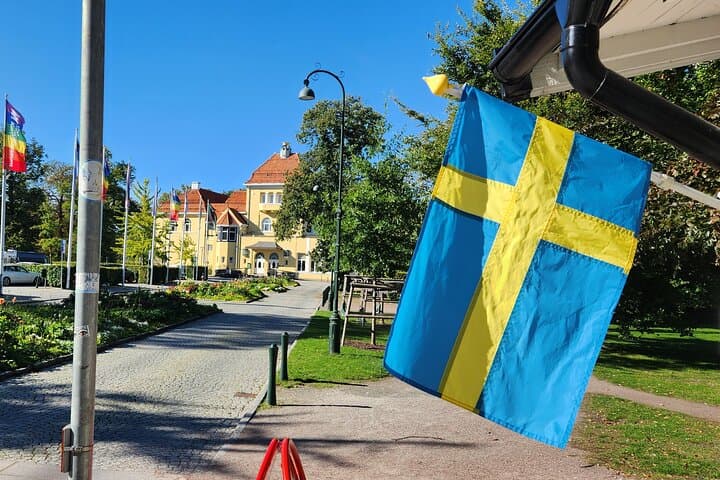
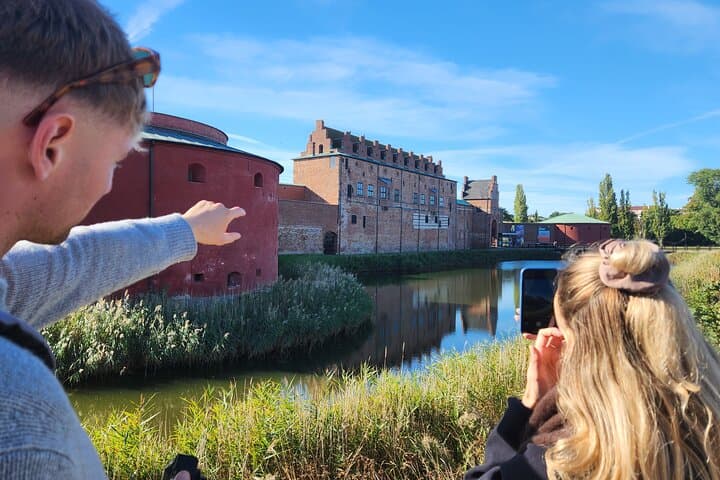
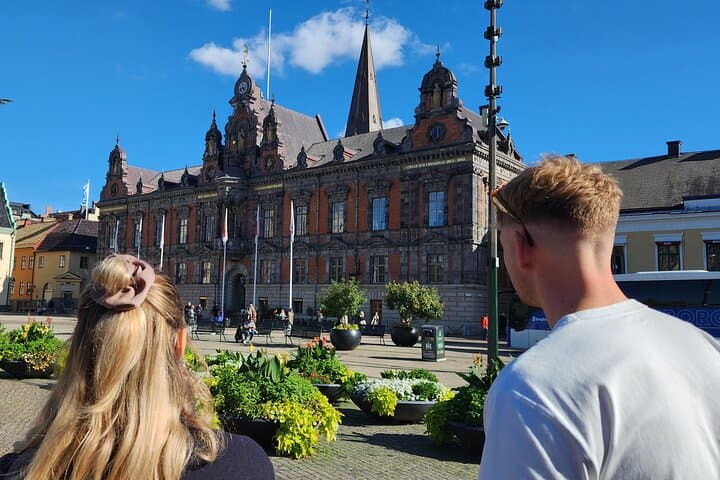
Malmö opens with the compact certainty of a port city that has shifted flags and fortunes: Danish town planning meets Swedish 20th-century renewal. The walking route threads Gamla Väster’s painted façades, skirts Malmöhus Castle — a 16th-century stronghold that became a museum — and cuts through Slottsparken with its canals and windmill. Geologically, the region rests on glacially deposited plains; the low, flat horizon frames urban waterways rather than jagged peaks.
Culture here moves at a measured, café-refined pace. Fika is more than a snack: it’s a social pause that softens border histories and invites conversation about Malmö’s industrial past and its present-day creative districts.
Practical guidance: bring valid ID for cross-border travel and shoes suited for cobbles and light park paths. The walkable core covers roughly 1.5–2 miles of strolling with short stops; pacing is easy but expect uneven surfaces and some stairs near park bridges. Trains run frequently and your round-trip ticket is included, giving flexibility to stay longer.
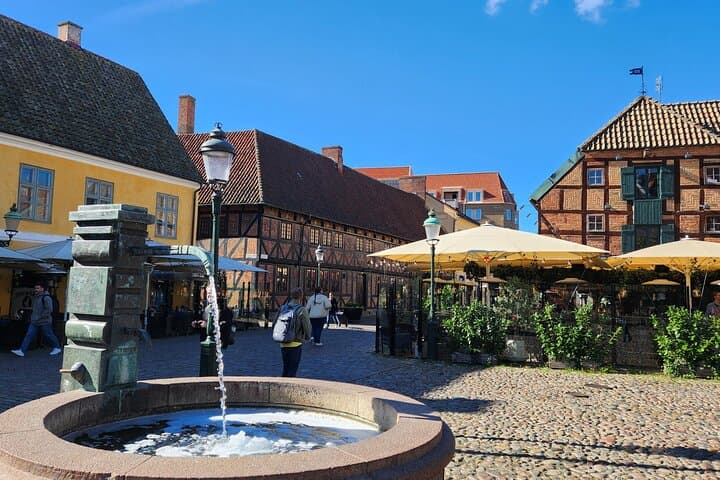
Timing matters — mornings are calmer for photos, late afternoons livelier at Lilla Torg. Keep a lightweight shell for coastal breezes and leave room in your schedule to linger over coffee; in Malmö, the city rewards the curious who step off the main route.
easy.
4 hours.
Light to moderate — suitable for anyone who can walk 2 miles on uneven city terrain and manage brief stair sections.
Yes — the round-trip train ticket across the Øresund Bridge is included; you can return with the guide or use the ticket later on the same day.
Travelers should carry a passport or valid national ID for border control; checks are intermittent but compliance is required.
Parts of the route include cobblestones and park bridges with steps; while some areas are stroller-accessible, the tour may not be fully wheelchair-friendly—contact the operator for specifics.
This tour is led by a Danish guide and typically conducted in English to accommodate international guests; confirm language at booking if you need another option.
Malmö was part of Denmark until the mid-1600s; its architecture and street patterns still show Danish influence, while the modern Øresund Bridge (2000) physically reconnects the region.
The train crossing is a low-emission option that reduces car traffic; visitors are encouraged to support local cafés and follow leave-no-trace practices in parks.
Go like a local operates guided outdoor trips and adventures with an emphasis on safety, stewardship, and memorable experiences.
You step onto Copenhagen Central Station and the city’s hum folds behind you as the train eases onto the Øresund Bridge. The strait sprawls below, steel and sea conspiring to carry you into Sweden in forty quiet minutes — the water seems to dare you to slow down and look.
You step onto Copenhagen Central Station and the city’s hum folds behind you as the train eases onto the Øresund Bridge. The strait sprawls below, steel and sea conspiring to carry you into Sweden in forty quiet minutes — the water seems to dare you to slow down and look.
Malmö opens with the compact certainty of a port city that has shifted flags and fortunes: Danish town planning meets Swedish 20th-century renewal. The walking route threads Gamla Väster’s painted façades, skirts Malmöhus Castle — a 16th-century stronghold that became a museum — and cuts through Slottsparken with its canals and windmill. Geologically, the region rests on glacially deposited plains; the low, flat horizon frames urban waterways rather than jagged peaks.
Culture here moves at a measured, café-refined pace. Fika is more than a snack: it’s a social pause that softens border histories and invites conversation about Malmö’s industrial past and its present-day creative districts.
Practical guidance: bring valid ID for cross-border travel and shoes suited for cobbles and light park paths. The walkable core covers roughly 1.5–2 miles of strolling with short stops; pacing is easy but expect uneven surfaces and some stairs near park bridges. Trains run frequently and your round-trip ticket is included, giving flexibility to stay longer.
Timing matters — mornings are calmer for photos, late afternoons livelier at Lilla Torg. Keep a lightweight shell for coastal breezes and leave room in your schedule to linger over coffee; in Malmö, the city rewards the curious who step off the main route.