THE ADVENTURE COLLECTIVE® · Independent discovery and booking for outdoor travel

Drive the coastal spine of Mallorca’s Tramuntana, taste estate-grown oranges in Sóller and walk Valldemossa’s monastery streets. This eight-hour tour blends geology, Moorish and modern history, and hands-on food experiences.
Drive the coastal spine of Mallorca’s Tramuntana, taste estate-grown oranges in Sóller and walk Valldemossa’s monastery streets. This eight-hour tour blends geology, Moorish and modern history, and hands-on food experiences.
A salt wind threads the wheel ruts of the coastal road as the bus carves around the cliff—one moment the sea pulls at the horizon, the next the Tramuntana mountains rise up and dare you to look away. This full-day loop pushes west from Palma, across a UNESCO-listed spine of limestone where terraces and stone walls hold centuries of farmed land.
Verified experiences and guided adventures in the surrounding area.
Operated by Vinosenz... so schmeckt Mallorca · Sóller, Balearic Islands
A salt wind threads the wheel ruts of the coastal road as the bus carves around the cliff—one moment the sea pulls at the horizon, the next the Tramuntana mountains rise up and dare you to look away. This full-day loop pushes west from Palma, across a UNESCO-listed spine of limestone where terraces and stone walls hold centuries of farmed land.
History and geology arrive together: the Sierra de Tramuntana is a folded range of Triassic and Jurassic rock that shaped human settlement here. Moorish irrigation and later centuries of citrus trade turned sheltered valleys into working orchards; in Sóller the orange trade once connected the town to Marseille by boat and rail. Artists' villages like Deià added a 20th-century cultural layer—stone houses, narrow lanes, and small galleries.
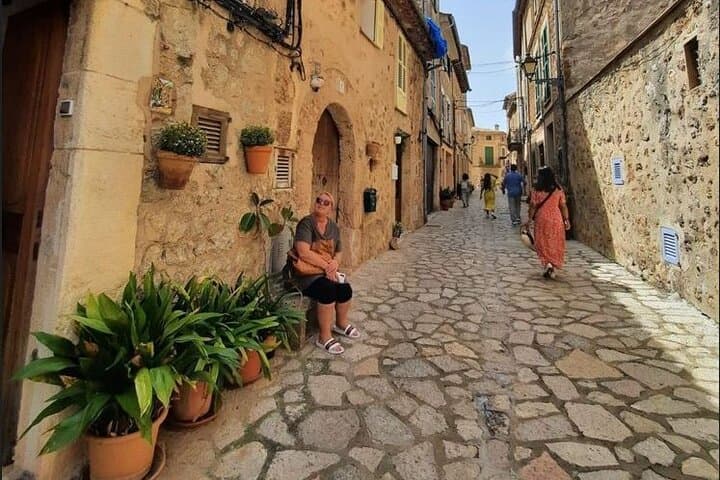
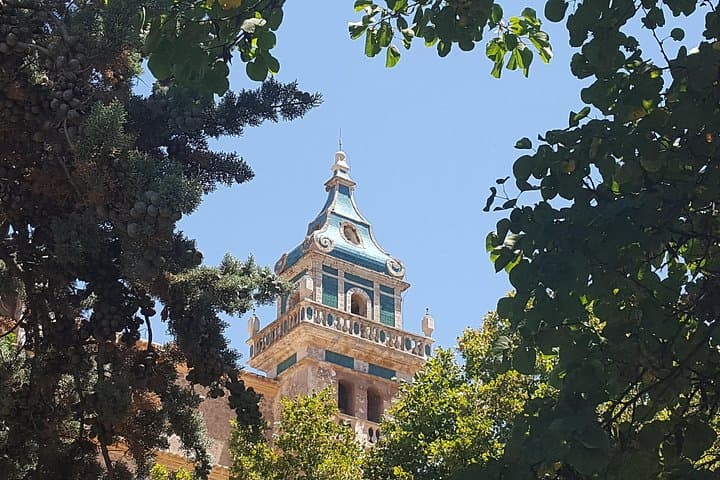
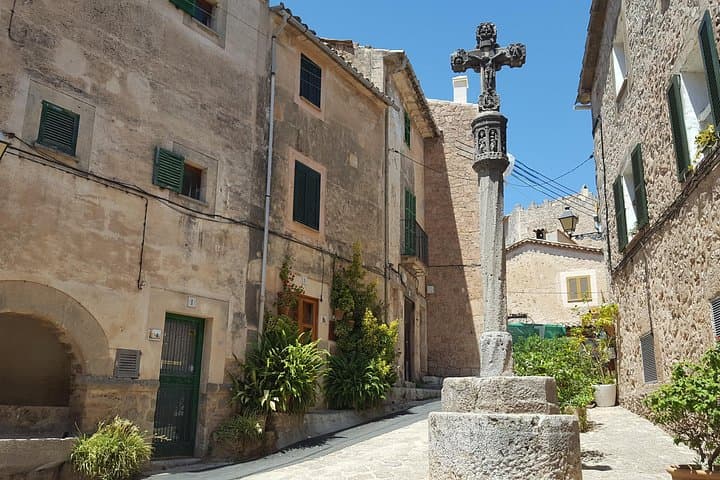
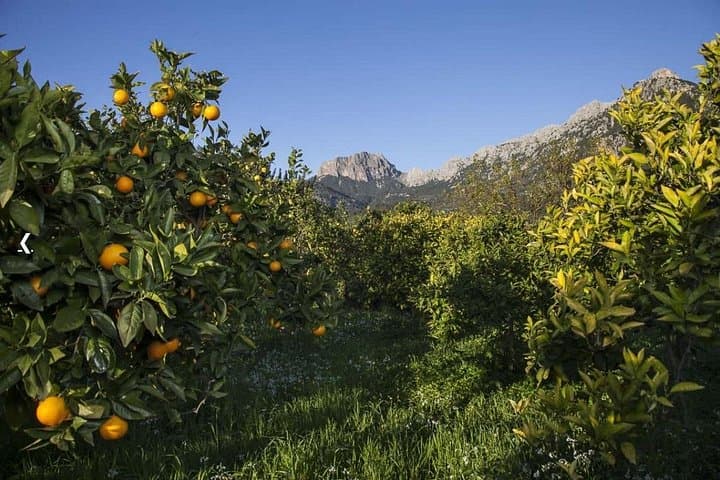
You’ll step into a historic manor house, taste freshly squeezed orange juice on an organic finca, and stroll Valldemossa’s monastery-lined streets where pastry shops sell ensaimada. The west coast offers exposed cliffs that push wind and waves into dramatic scenes, while the Orange Valley rewards slow, sensory tasting of local olive oil and jam.
Practical guidance: the day includes vehicle transfers and short walks on uneven village streets and finca paths—good walking shoes and layered clothing are sensible. Bring sun protection and a refillable bottle; water is available but bringing your own reduces plastic. Expect an eight-hour day with multiple short stops; mobility limitations may restrict access to some historic interiors and steep lanes. For photographers, the best light is early morning on coastal cliffs and late afternoon in the valley.
easy.
8 hours.
Suitable for most travelers with regular mobility; requires short walks on uneven surfaces and stairs.
Yes—an air-conditioned vehicle and guided transfers are included for the full-day itinerary.
Local snacks and tastings such as ensaimada, olive oil, jam, and freshly squeezed orange juice are included; full lunches may not be provided.
The tour involves short walks on uneven streets and stepped areas; it is not recommended for travelers with serious walking difficulties or certain health conditions.
The tour is typically delivered by English-speaking local guides; check the booking page for additional language options.
The Serra de Tramuntana shaped Mallorca’s agricultural networks; from Moorish-era irrigation to a 19th-century citrus export boom, valleys like Sóller grew into trading hubs.
The Tramuntana’s UNESCO designation encourages sustainable tourism and protection of terraces; stick to paths, avoid disturbing orchards, and respect private fincas to limit erosion and habitat loss.
Vinosenz... so schmeckt Mallorca operates guided outdoor trips and adventures with an emphasis on safety, stewardship, and memorable experiences.
A salt wind threads the wheel ruts of the coastal road as the bus carves around the cliff—one moment the sea pulls at the horizon, the next the Tramuntana mountains rise up and dare you to look away. This full-day loop pushes west from Palma, across a UNESCO-listed spine of limestone where terraces and stone walls hold centuries of farmed land.
A salt wind threads the wheel ruts of the coastal road as the bus carves around the cliff—one moment the sea pulls at the horizon, the next the Tramuntana mountains rise up and dare you to look away. This full-day loop pushes west from Palma, across a UNESCO-listed spine of limestone where terraces and stone walls hold centuries of farmed land.
History and geology arrive together: the Sierra de Tramuntana is a folded range of Triassic and Jurassic rock that shaped human settlement here. Moorish irrigation and later centuries of citrus trade turned sheltered valleys into working orchards; in Sóller the orange trade once connected the town to Marseille by boat and rail. Artists' villages like Deià added a 20th-century cultural layer—stone houses, narrow lanes, and small galleries.
You’ll step into a historic manor house, taste freshly squeezed orange juice on an organic finca, and stroll Valldemossa’s monastery-lined streets where pastry shops sell ensaimada. The west coast offers exposed cliffs that push wind and waves into dramatic scenes, while the Orange Valley rewards slow, sensory tasting of local olive oil and jam.
Practical guidance: the day includes vehicle transfers and short walks on uneven village streets and finca paths—good walking shoes and layered clothing are sensible. Bring sun protection and a refillable bottle; water is available but bringing your own reduces plastic. Expect an eight-hour day with multiple short stops; mobility limitations may restrict access to some historic interiors and steep lanes. For photographers, the best light is early morning on coastal cliffs and late afternoon in the valley.