THE ADVENTURE COLLECTIVE® · Independent discovery and booking for outdoor travel

Explore Mallorca’s western side on a four-hour shore excursion through Valldemossa, Deià and Sóller. Short walks, historic sites like the Cartoixa, and sweeping coastal views make this a compact introduction to the Tramuntana.
Explore Mallorca’s western side on a four-hour shore excursion through Valldemossa, Deià and Sóller. Short walks, historic sites like the Cartoixa, and sweeping coastal views make this a compact introduction to the Tramuntana.
You step off the tender into Palma’s port with sea salt on your jacket and the Tramuntana cliffs already visible on the horizon. The coach threads out of the city, past orange groves and terraced hills, and soon the road begins to climb—rock faces and pines leaning toward the Mediterranean as if nudging travelers to look up.
Verified experiences and guided adventures in the surrounding area.
Operated by Your Shore Time · Valldemossa, Balearic Islands
You step off the tender into Palma’s port with sea salt on your jacket and the Tramuntana cliffs already visible on the horizon. The coach threads out of the city, past orange groves and terraced hills, and soon the road begins to climb—rock faces and pines leaning toward the Mediterranean as if nudging travelers to look up.
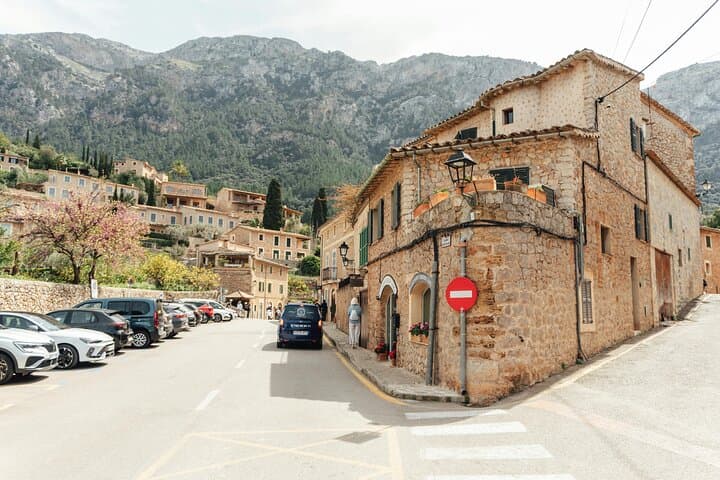
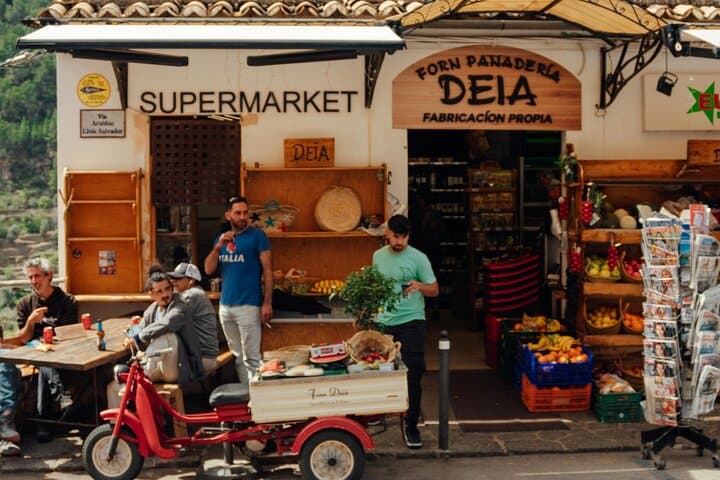
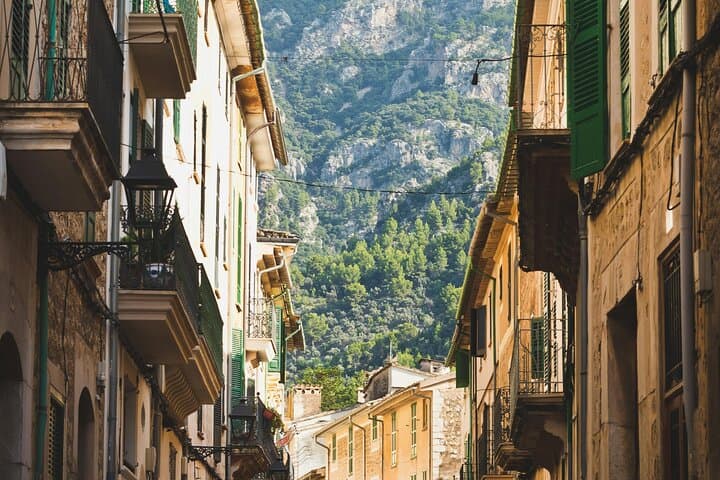
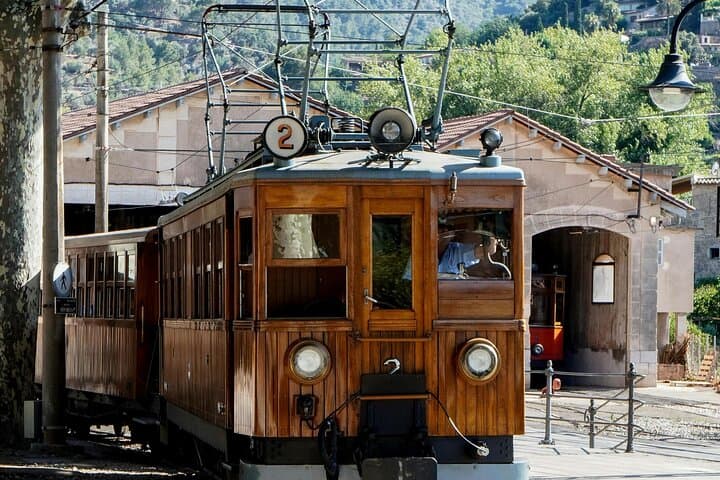
Valldemossa sits on a steep slope above the valley, its stone streets and the Carthusian monastery recalling a time when Chopin and George Sand spent a winter here. Geologically the Tramuntana is a folded limestone range; look for fossil-rich cliffs and small ravines carved by seasonal streams. Culture here blends rural Mallorcan traditions—olive and almond terraces, local cafés—with a long artistic streak visible in Deià’s galleries and the bohemian air of Sóller’s plazas.
Expect short guided walks, photo stops, and time to browse cafés; entrance to the Cartoixa is optional and modestly priced. The tour moves at a relaxed pace but includes several sets of uneven cobbles and short slopes—good shoes make the difference.
Practical notes: mornings are best for softer light and cooler temperatures; carry water and a light jacket for Tramuntana winds. Cash or card will cover small purchases and the monastery fee. If you prefer more time on a beach or in Palma, build that into your itinerary—the half-day format returns you to the port with time to spare.
easy.
4 hours.
Moderate — able to walk short cobbled streets and climb stairs; not strenuous but requires balance.
The tour runs about four hours and is timed for cruise passengers; guides coordinate return to the port—arrive at the meet point early to avoid delays.
No, monastery entrance is optional and paid locally (around €7); time on-site is limited by the schedule.
See previous
Yes, short free periods in each stop allow for coffee, light snacks, and browsing; full meals may require more time than the itinerary allows.
Valldemossa’s Carthusian monastery hosted Frédéric Chopin and George Sand in the winter of 1838; the Tramuntana range has shaped agriculture and settlement patterns for centuries.
The Serra de Tramuntana is a UNESCO World Heritage landscape; stick to paths, respect dry-stone walls and water-saving customs to minimize impact.
Your Shore Time operates guided outdoor trips and adventures with an emphasis on safety, stewardship, and memorable experiences.
You step off the tender into Palma’s port with sea salt on your jacket and the Tramuntana cliffs already visible on the horizon. The coach threads out of the city, past orange groves and terraced hills, and soon the road begins to climb—rock faces and pines leaning toward the Mediterranean as if nudging travelers to look up.
You step off the tender into Palma’s port with sea salt on your jacket and the Tramuntana cliffs already visible on the horizon. The coach threads out of the city, past orange groves and terraced hills, and soon the road begins to climb—rock faces and pines leaning toward the Mediterranean as if nudging travelers to look up.
Valldemossa sits on a steep slope above the valley, its stone streets and the Carthusian monastery recalling a time when Chopin and George Sand spent a winter here. Geologically the Tramuntana is a folded limestone range; look for fossil-rich cliffs and small ravines carved by seasonal streams. Culture here blends rural Mallorcan traditions—olive and almond terraces, local cafés—with a long artistic streak visible in Deià’s galleries and the bohemian air of Sóller’s plazas.
Expect short guided walks, photo stops, and time to browse cafés; entrance to the Cartoixa is optional and modestly priced. The tour moves at a relaxed pace but includes several sets of uneven cobbles and short slopes—good shoes make the difference.
Practical notes: mornings are best for softer light and cooler temperatures; carry water and a light jacket for Tramuntana winds. Cash or card will cover small purchases and the monastery fee. If you prefer more time on a beach or in Palma, build that into your itinerary—the half-day format returns you to the port with time to spare.