THE ADVENTURE COLLECTIVE® · Independent discovery and booking for outdoor travel

See Mallorca’s cathedral, subterranean caves and coastal cliffs with one flexible pass. This guide explains what to expect—history, geology and practical tips—to help you plan the perfect island loop.
See Mallorca’s cathedral, subterranean caves and coastal cliffs with one flexible pass. This guide explains what to expect—history, geology and practical tips—to help you plan the perfect island loop.
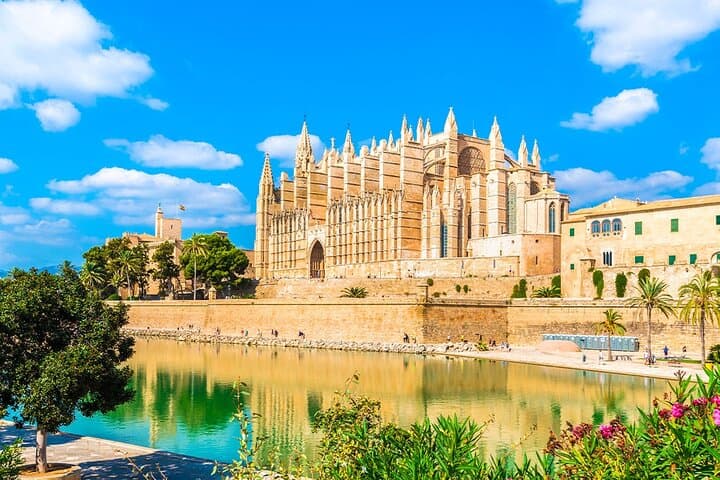
You step off the tram into Palma’s port and the cathedral looms—sunlight catching the gargoyles, sail masts creaking like hushed applause. The island’s limestone spine drops to turquoise coves and, farther east, caverns where light turns subterranean lakes a strange, electric blue. This pass threads those moments together: grand Gothic stone, underground chambers, cliff-carved coasts and family parks.
Verified experiences and guided adventures in the surrounding area.
Operated by MegaPass · Palma, Balearic Islands
You step off the tram into Palma’s port and the cathedral looms—sunlight catching the gargoyles, sail masts creaking like hushed applause. The island’s limestone spine drops to turquoise coves and, farther east, caverns where light turns subterranean lakes a strange, electric blue. This pass threads those moments together: grand Gothic stone, underground chambers, cliff-carved coasts and family parks.
Mallorca’s human story runs alongside its geology. Phoenicians, Romans and Moors all left marks; the Cathedral of Mallorca occupies a medieval Christian site built after Reconquista-era shifts in power. Geologically, the Serra de Tramuntana formed as the African and Eurasian plates converged, giving the island its dramatic cliffs, karst caves—like the famous Drach and Hams—and narrow coves. Culturally, towns like Sóller and Valldemossa blend agricultural mountain traditions with seafaring pasts; local markets still revolve around almond, olive and citrus harvests.
Practically: the MegaPass bundles entry so you can skip ticket lines and plan at your pace—use Palma as your base. Expect stairs in the cathedral and guided segments at the caves; coastal stops may require short walks on uneven rock and pebble beaches. Bring sun protection, a refillable bottle, and a comfortable pair of walking shoes. Reserve a morning slot for caves when underground lighting is calm, and leave late afternoons for quieter coves. If you want to push beyond postcards, hire a bike or take a local bus to reach lesser-visited beaches and viewpoints—Mallorca rewards those who mix shore-time with a bit of exploration.
easy.
1–7 days.
Suitable for most fitness levels; expects walking, some stairs and short uneven approaches to coastal spots.
Pass duration and validity windows vary by option; check the ticket details at purchase—many passes allow multi-day use within a set period.
Entry to the Cathedral of Mallorca is included; cave access is available through pass selections—confirm which caves are part of your chosen pass tier.
Yes—the ticket is mobile or paper friendly; save the QR code and booking reference for faster entry.
Pricing and child rates depend on the pass tier; look for family pricing or attraction-specific child tickets when booking.
Palma Cathedral was begun in the 13th century on a site that had earlier religious significance; the island’s coastal towns grew around maritime trade and agriculture.
Cave formations and fragile coastal habitats are easily damaged—follow marked paths, avoid touching stalactites, and respect local signage to reduce impact.
MegaPass operates guided outdoor trips and adventures with an emphasis on safety, stewardship, and memorable experiences.

You step off the tram into Palma’s port and the cathedral looms—sunlight catching the gargoyles, sail masts creaking like hushed applause. The island’s limestone spine drops to turquoise coves and, farther east, caverns where light turns subterranean lakes a strange, electric blue. This pass threads those moments together: grand Gothic stone, underground chambers, cliff-carved coasts and family parks.
You step off the tram into Palma’s port and the cathedral looms—sunlight catching the gargoyles, sail masts creaking like hushed applause. The island’s limestone spine drops to turquoise coves and, farther east, caverns where light turns subterranean lakes a strange, electric blue. This pass threads those moments together: grand Gothic stone, underground chambers, cliff-carved coasts and family parks.
Mallorca’s human story runs alongside its geology. Phoenicians, Romans and Moors all left marks; the Cathedral of Mallorca occupies a medieval Christian site built after Reconquista-era shifts in power. Geologically, the Serra de Tramuntana formed as the African and Eurasian plates converged, giving the island its dramatic cliffs, karst caves—like the famous Drach and Hams—and narrow coves. Culturally, towns like Sóller and Valldemossa blend agricultural mountain traditions with seafaring pasts; local markets still revolve around almond, olive and citrus harvests.
Practically: the MegaPass bundles entry so you can skip ticket lines and plan at your pace—use Palma as your base. Expect stairs in the cathedral and guided segments at the caves; coastal stops may require short walks on uneven rock and pebble beaches. Bring sun protection, a refillable bottle, and a comfortable pair of walking shoes. Reserve a morning slot for caves when underground lighting is calm, and leave late afternoons for quieter coves. If you want to push beyond postcards, hire a bike or take a local bus to reach lesser-visited beaches and viewpoints—Mallorca rewards those who mix shore-time with a bit of exploration.