THE ADVENTURE COLLECTIVE® · Independent discovery and booking for outdoor travel

Get into the water quickly on this boat-based Discover Scuba program off Mallorca: a short shore briefing, two instructor-led dives (shallow skills plus a 12m max), and supplied equipment. Ideal for first-time divers with basic swimming ability.
Get into the water quickly on this boat-based Discover Scuba program off Mallorca: a short shore briefing, two instructor-led dives (shallow skills plus a 12m max), and supplied equipment. Ideal for first-time divers with basic swimming ability.
The boat slips away from the marina, engines low and the Mediterranean opening in front of you — blue that deepens toward the horizon. Instructors lay out regulators and masks with quick, practiced hands while the island’s limestone cliffs stand quiet and indifferent. You get a short theoretical briefing on shore, then the real lesson begins: two guided dives from the boat into warm, clear water.
Verified experiences and guided adventures in the surrounding area.
Operated by Avispa Labs S.L. · Palma de Mallorca, Balearic Islands
The boat slips away from the marina, engines low and the Mediterranean opening in front of you — blue that deepens toward the horizon. Instructors lay out regulators and masks with quick, practiced hands while the island’s limestone cliffs stand quiet and indifferent. You get a short theoretical briefing on shore, then the real lesson begins: two guided dives from the boat into warm, clear water.
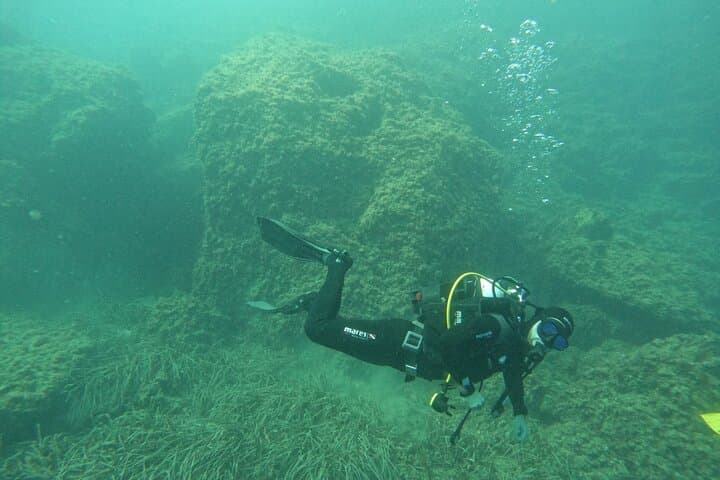
Mallorca’s coasts are shaped by Miocene limestone and long exposure to the sea, producing rocky reefs, caves and extensive Posidonia seagrass meadows that sustain a rich coastal ecology. The island’s seafaring history and fishing culture are visible in small harbors and local menus; modern dive operators work with that heritage to protect underwater habitats.
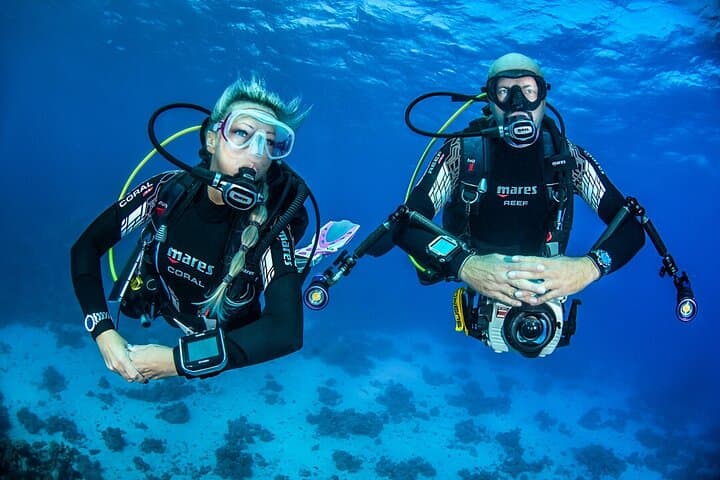
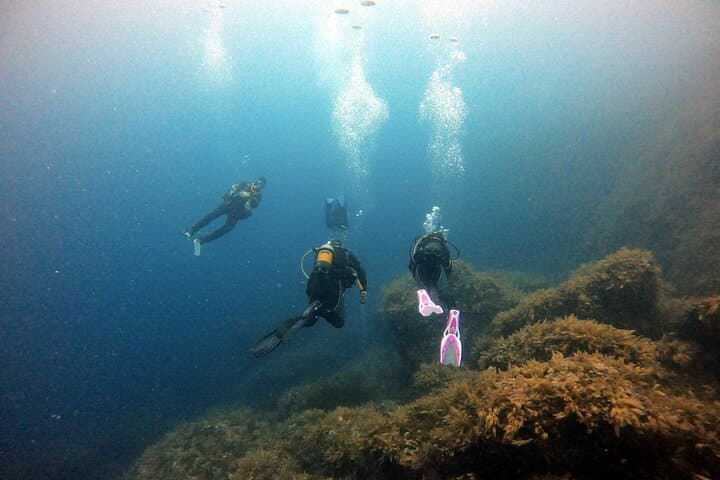
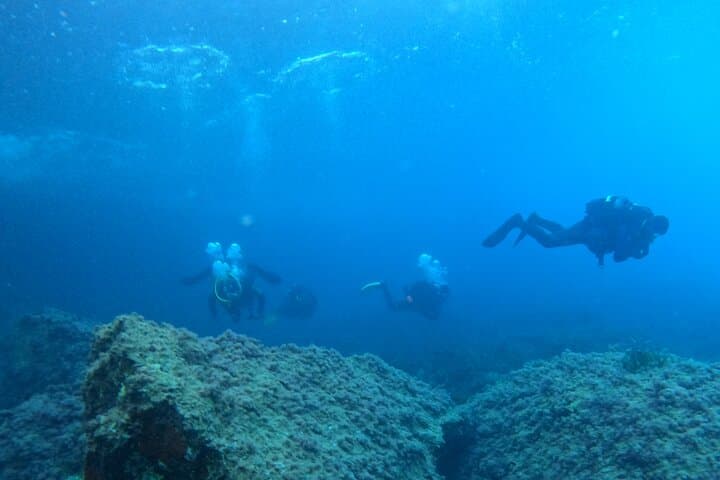
Expect a shallow first dive to practice buoyancy, mask clearing and regulator recovery; the second dive can reach about 12 meters depending on comfort and conditions. You’ll likely see octopus tucked in rock crevices and Mediterranean groupers cruising reef edges. Operators typically include equipment, basic theoretical training and diving insurance; minimum age is 10 and participants should be comfortable swimmers.
Practical guidance: arrive hydrated and rested, avoid flying for 24 hours after diving, and take motion-sickness meds if you’re prone. Wear a swimsuit under lightweight clothing, bring reef-safe sunscreen and a towel, and listen to instructors — they control depth, timing and safety. For first-timers, calm morning seas give the best visibility and the clearest introduction to breathing and moving underwater.
moderate.
4 hours.
Moderate fitness and comfortable swimming skills; able to kneel and climb on/off a boat and perform basic in-water exercises.
No—this Discover Scuba program is designed for non-certified divers and is instructor-guided, but it does not grant certification.
Minimum age is typically 10 years; younger participants must meet swimming and comfort requirements.
The first dive is shallow for skills practice; the second can reach up to about 12 meters depending on comfort and conditions.
Yes—the operator provides full scuba equipment and basic theoretical training, plus diving insurance.
Mallorca’s coastline has long supported fishing and small-scale seafaring; modern dive tourism often works alongside local communities to protect coastal resources.
Posidonia meadows are protected—avoid anchoring on seagrass, minimize touching marine life, and use reef-safe products to reduce impact.
Avispa Labs S.L. operates guided outdoor trips and adventures with an emphasis on safety, stewardship, and memorable experiences.
The boat slips away from the marina, engines low and the Mediterranean opening in front of you — blue that deepens toward the horizon. Instructors lay out regulators and masks with quick, practiced hands while the island’s limestone cliffs stand quiet and indifferent. You get a short theoretical briefing on shore, then the real lesson begins: two guided dives from the boat into warm, clear water.
The boat slips away from the marina, engines low and the Mediterranean opening in front of you — blue that deepens toward the horizon. Instructors lay out regulators and masks with quick, practiced hands while the island’s limestone cliffs stand quiet and indifferent. You get a short theoretical briefing on shore, then the real lesson begins: two guided dives from the boat into warm, clear water.
Mallorca’s coasts are shaped by Miocene limestone and long exposure to the sea, producing rocky reefs, caves and extensive Posidonia seagrass meadows that sustain a rich coastal ecology. The island’s seafaring history and fishing culture are visible in small harbors and local menus; modern dive operators work with that heritage to protect underwater habitats.
Expect a shallow first dive to practice buoyancy, mask clearing and regulator recovery; the second dive can reach about 12 meters depending on comfort and conditions. You’ll likely see octopus tucked in rock crevices and Mediterranean groupers cruising reef edges. Operators typically include equipment, basic theoretical training and diving insurance; minimum age is 10 and participants should be comfortable swimmers.
Practical guidance: arrive hydrated and rested, avoid flying for 24 hours after diving, and take motion-sickness meds if you’re prone. Wear a swimsuit under lightweight clothing, bring reef-safe sunscreen and a towel, and listen to instructors — they control depth, timing and safety. For first-timers, calm morning seas give the best visibility and the clearest introduction to breathing and moving underwater.