THE ADVENTURE COLLECTIVE® · Independent discovery and booking for outdoor travel

Experience your first breaths underwater off Mallorca’s sheltered coastline. This beach-based introductory dive blends shallow-water skills, close instructor guidance, and local marine sights in a relaxed two-hour session.
Experience your first breaths underwater off Mallorca’s sheltered coastline. This beach-based introductory dive blends shallow-water skills, close instructor guidance, and local marine sights in a relaxed two-hour session.
The sand gives way underfoot, waves hush to a gentle hiss and the instructor signals—breath in, slow and steady. From a shallow beach on Mallorca’s sheltered coast, participants step into the Mediterranean and feel the first disorienting calm of being partly submerged: sunlight slanting through 2–3 meters of water, Posidonia meadows swaying like slow grass, fish inspecting new arrivals.
Verified experiences and guided adventures in the surrounding area.
Operated by Avispa Labs S.L. · Palma, Balearic Islands
The sand gives way underfoot, waves hush to a gentle hiss and the instructor signals—breath in, slow and steady. From a shallow beach on Mallorca’s sheltered coast, participants step into the Mediterranean and feel the first disorienting calm of being partly submerged: sunlight slanting through 2–3 meters of water, Posidonia meadows swaying like slow grass, fish inspecting new arrivals.
Mallorca’s coastline is carved from Miocene limestone; underwater, the same rock forms ledges, gutters and pockets that host octopus, wrasse and schools of bream. Centuries of coastal fishing and maritime trade shaped nearby towns, and local dive guides often point out former smuggling coves and quiet harbors where seafaring culture still influences menus and timing of excursions.
This introductory beach dive pairs a brief classroom session with shallow-water skills—mask clearing, regulator recovery, simple buoyancy—and one guided nearshore dive. It’s not a certification, but the format is deliberately low-stress: equipment is supplied, groups are small and instructors remain close.
Practical edge: schedule morning slots for calmer seas and clearer visibility, bring a wetsuit for spring/fall water temperatures and avoid flying for 24 hours after diving. Equalize early on descent, listen to your instructor, and respect Posidonia beds—these seagrass meadows are vital habitat. Expect easy entries, short swim-outs, and a vividly different perspective on Mallorca: the island’s limestone cliffs continue below the surface, where the sea quietly invites exploration.
easy.
2 hours.
Suitable for anyone in general good health who can swim; minimal sustained exertion but basic comfort in water required
No certification is required; the program is an introductory session with instruction and is designed for first-time divers.
Dives are shallow—typically 2–3 meters—and the total activity lasts about two hours including briefing and practice; bottom time is typically 20–30 minutes.
Minimum age varies by operator (often around 10–12); medical restrictions include pregnancy, serious cardiovascular problems and recent spinal injuries—declare any conditions during booking.
Yes—full scuba gear is supplied and groups are kept small with a close instructor-to-student ratio for safety and personalized guidance.
Mallorca’s coasts have long supported fishing and small-scale trade; traditional fishing villages nearby evolved into modern seaside towns that still celebrate maritime culture.
Posidonia seagrass beds are protected in many areas; avoid touching or standing on them and choose operators that follow local marine protection rules.
Avispa Labs S.L. operates guided outdoor trips and adventures with an emphasis on safety, stewardship, and memorable experiences.
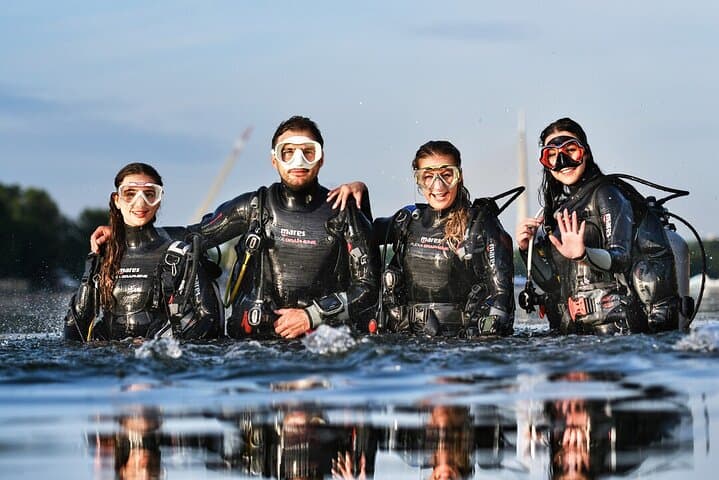
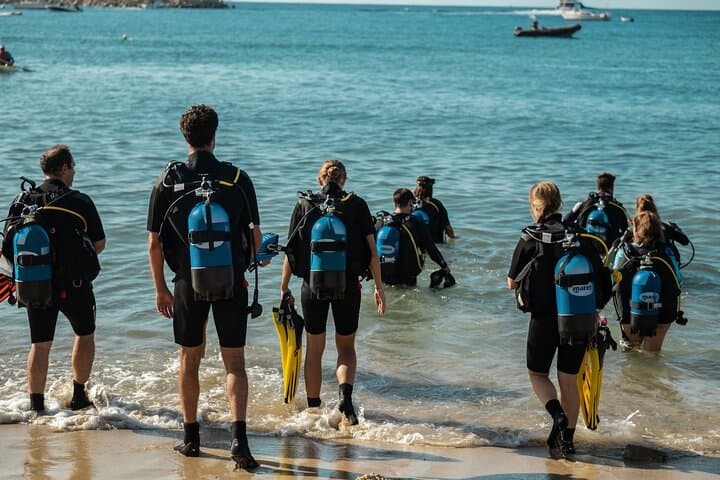
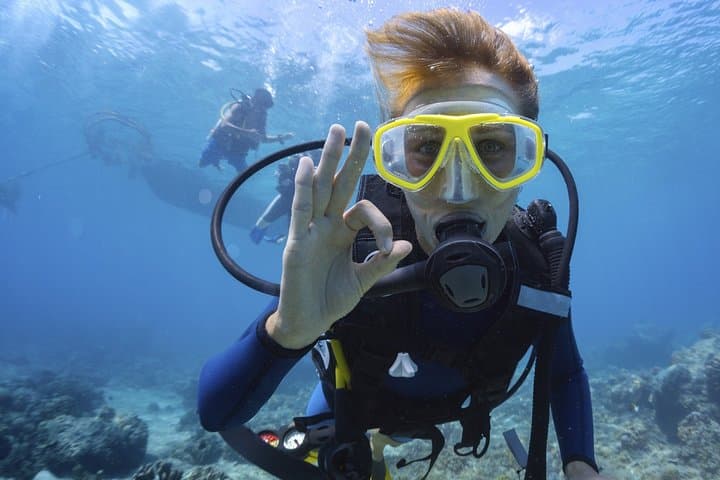
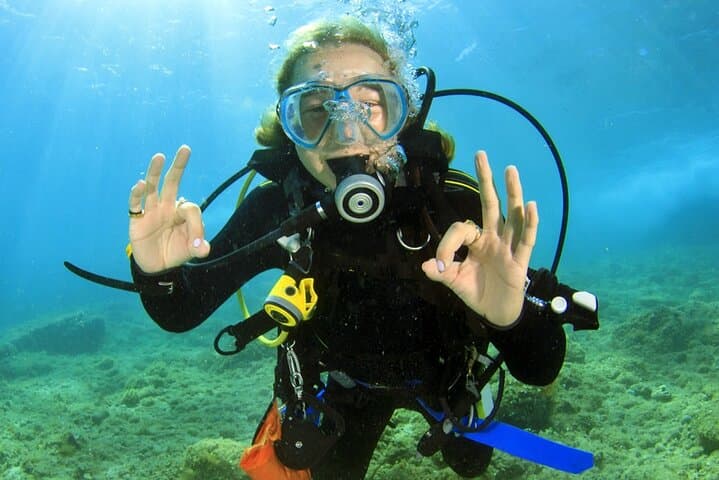
The sand gives way underfoot, waves hush to a gentle hiss and the instructor signals—breath in, slow and steady. From a shallow beach on Mallorca’s sheltered coast, participants step into the Mediterranean and feel the first disorienting calm of being partly submerged: sunlight slanting through 2–3 meters of water, Posidonia meadows swaying like slow grass, fish inspecting new arrivals.
The sand gives way underfoot, waves hush to a gentle hiss and the instructor signals—breath in, slow and steady. From a shallow beach on Mallorca’s sheltered coast, participants step into the Mediterranean and feel the first disorienting calm of being partly submerged: sunlight slanting through 2–3 meters of water, Posidonia meadows swaying like slow grass, fish inspecting new arrivals.
Mallorca’s coastline is carved from Miocene limestone; underwater, the same rock forms ledges, gutters and pockets that host octopus, wrasse and schools of bream. Centuries of coastal fishing and maritime trade shaped nearby towns, and local dive guides often point out former smuggling coves and quiet harbors where seafaring culture still influences menus and timing of excursions.
This introductory beach dive pairs a brief classroom session with shallow-water skills—mask clearing, regulator recovery, simple buoyancy—and one guided nearshore dive. It’s not a certification, but the format is deliberately low-stress: equipment is supplied, groups are small and instructors remain close.
Practical edge: schedule morning slots for calmer seas and clearer visibility, bring a wetsuit for spring/fall water temperatures and avoid flying for 24 hours after diving. Equalize early on descent, listen to your instructor, and respect Posidonia beds—these seagrass meadows are vital habitat. Expect easy entries, short swim-outs, and a vividly different perspective on Mallorca: the island’s limestone cliffs continue below the surface, where the sea quietly invites exploration.