THE ADVENTURE COLLECTIVE® · Independent discovery and booking for outdoor travel

Spend a full day exploring Malindi’s coastal heritage—from the Vasco da Gama Pillar and Malindi Museum to the forested Gede Ruins and the otherworldly sandstone of Marafa Hell’s Kitchen. Expect history, geology and a seaside lunch in Watamu.
Spend a full day exploring Malindi’s coastal heritage—from the Vasco da Gama Pillar and Malindi Museum to the forested Gede Ruins and the otherworldly sandstone of Marafa Hell’s Kitchen. Expect history, geology and a seaside lunch in Watamu.
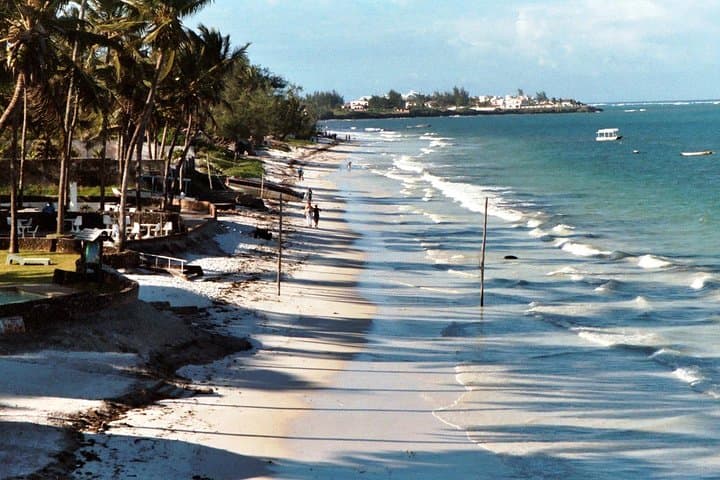
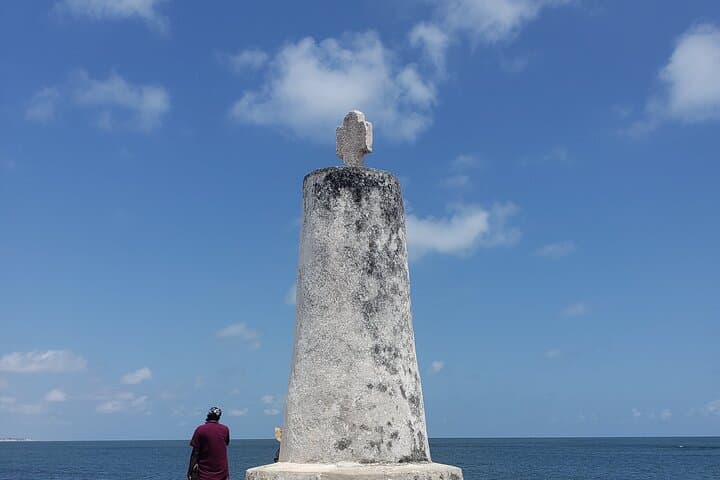
You step out of the vehicle into salt-stung air and the Vasco da Gama Pillar stands like a weathered marker of the ocean’s long memory. The town’s seafront hums with fishermen returning and the breeze from the Indian Ocean pushes the heat aside as you move from Portuguese stone to primeval forest.
Verified experiences and guided adventures in the surrounding area.
Operated by Diani Travel and Tours · Malindi, Kilifi County
You step out of the vehicle into salt-stung air and the Vasco da Gama Pillar stands like a weathered marker of the ocean’s long memory. The town’s seafront hums with fishermen returning and the breeze from the Indian Ocean pushes the heat aside as you move from Portuguese stone to primeval forest.
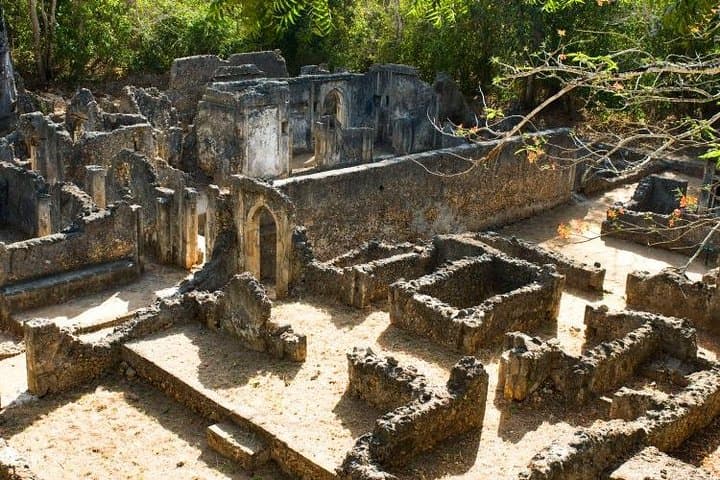
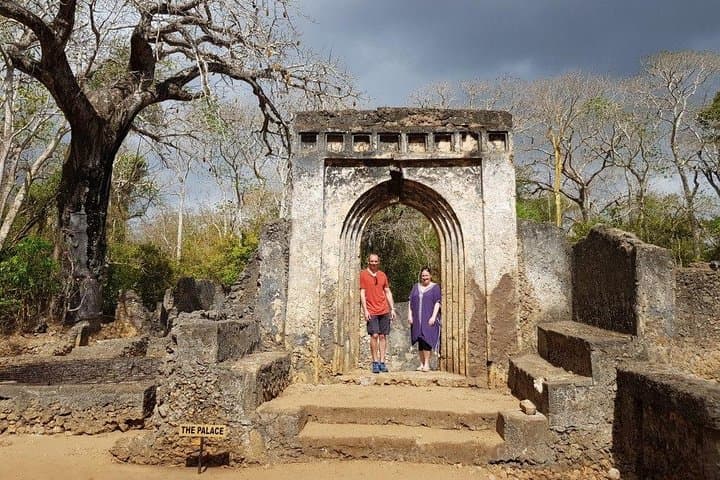
This one-day loop stitches together coastal history and striking geology. The Vasco da Gama Pillar and Portuguese chapel point to 15th–16th century maritime contact; Malindi Museum collects artifacts that trace the Swahili coast’s trade links with Arabia, India and Europe. Gede Ruins sits within 45 acres of forest—coral rag foundations and plastered walls that survived centuries of abandonment, telling of a Swahili town rebuilt in the 1400s. Marafa’s Hell’s Kitchen is a different story: iron-rich sandstone and wind erosion have carved amphitheaters of orange and ochre that shift color through the day.
Culturally, expect guided interpretation focused on Swahili life, colonial-era traces, and local artisan crafts. The route finishes with a lunch in Watamu where the ocean announces itself—tides and currents shaping both shoreline and seafood menus.
Practicalities: this is a full 9–10 hour day with moderate walking on uneven terrain, some soft sand and forest trails. The tour includes guided visits and site admissions; bring sunscreen, insect repellent, sturdy shoes and a refillable water bottle. The Gede forest can be shaded and cool; Marafa is exposed—plan clothing layers and time visits for softer light if you want the best photos. Note accessibility is limited in some ruins and the trip is not recommended for those with serious spinal, heart, or pregnancy-related limitations.
moderate.
9–10 hours.
Moderate fitness required—able to walk on uneven ground and climb short stone steps.
The tour runs about 9–10 hours and includes the Vasco da Gama Pillar/Portuguese Chapel, Malindi Museum, Gede Ruins, Marafa Hell’s Kitchen and lunch in Watamu.
Yes—site admissions and a guided tour are included according to the itinerary details.
Pickup and drop-off are accessible, but Gede Ruins and Marafa have uneven ground and steps, so full access on-site may be limited.
Children can join but the tour requires moderate walking; it is not recommended for pregnant travelers or anyone with serious spinal or cardiovascular conditions per operator guidance.
Malindi and Gede were pivotal nodes in Swahili trade networks from the 12th century; later Portuguese and Omani influences layered new architecture and maritime routes onto the coast.
Gede’s forest and the coastal marine areas around Watamu are sensitive—stick to trails, avoid removing artifacts or shells, and support local guides and conservation fees where presented.
Diani Travel and Tours operates guided outdoor trips and adventures with an emphasis on safety, stewardship, and memorable experiences.
You step out of the vehicle into salt-stung air and the Vasco da Gama Pillar stands like a weathered marker of the ocean’s long memory. The town’s seafront hums with fishermen returning and the breeze from the Indian Ocean pushes the heat aside as you move from Portuguese stone to primeval forest.
You step out of the vehicle into salt-stung air and the Vasco da Gama Pillar stands like a weathered marker of the ocean’s long memory. The town’s seafront hums with fishermen returning and the breeze from the Indian Ocean pushes the heat aside as you move from Portuguese stone to primeval forest.
This one-day loop stitches together coastal history and striking geology. The Vasco da Gama Pillar and Portuguese chapel point to 15th–16th century maritime contact; Malindi Museum collects artifacts that trace the Swahili coast’s trade links with Arabia, India and Europe. Gede Ruins sits within 45 acres of forest—coral rag foundations and plastered walls that survived centuries of abandonment, telling of a Swahili town rebuilt in the 1400s. Marafa’s Hell’s Kitchen is a different story: iron-rich sandstone and wind erosion have carved amphitheaters of orange and ochre that shift color through the day.
Culturally, expect guided interpretation focused on Swahili life, colonial-era traces, and local artisan crafts. The route finishes with a lunch in Watamu where the ocean announces itself—tides and currents shaping both shoreline and seafood menus.
Practicalities: this is a full 9–10 hour day with moderate walking on uneven terrain, some soft sand and forest trails. The tour includes guided visits and site admissions; bring sunscreen, insect repellent, sturdy shoes and a refillable water bottle. The Gede forest can be shaded and cool; Marafa is exposed—plan clothing layers and time visits for softer light if you want the best photos. Note accessibility is limited in some ruins and the trip is not recommended for those with serious spinal, heart, or pregnancy-related limitations.