THE ADVENTURE COLLECTIVE® · Independent discovery and booking for outdoor travel

Swap Dubrovnik’s crowds for the walled streets of Ston and the sheltered oyster beds of Mali Ston. This private day trip combines a short coastal drive, a walk along Europe’s longest stone wall, and a boat visit to traditional oyster farms with tastings and local wine.
Swap Dubrovnik’s crowds for the walled streets of Ston and the sheltered oyster beds of Mali Ston. This private day trip combines a short coastal drive, a walk along Europe’s longest stone wall, and a boat visit to traditional oyster farms with tastings and local wine.
The morning drive peels away Dubrovnik’s stone facades and drops you onto a coastal road where pine-scented hills lean toward the Adriatic. Small coves and pale salt pans blur past as the vehicle threads the Pelješac peninsula; by the time Ston’s ramparts appear you’re trading city noise for gulls and sea-breeze.
Verified experiences and guided adventures in the surrounding area.
Operated by Super Tours · Mali Ston, Dubrovnik-Neretva County
The morning drive peels away Dubrovnik’s stone facades and drops you onto a coastal road where pine-scented hills lean toward the Adriatic. Small coves and pale salt pans blur past as the vehicle threads the Pelješac peninsula; by the time Ston’s ramparts appear you’re trading city noise for gulls and sea-breeze.
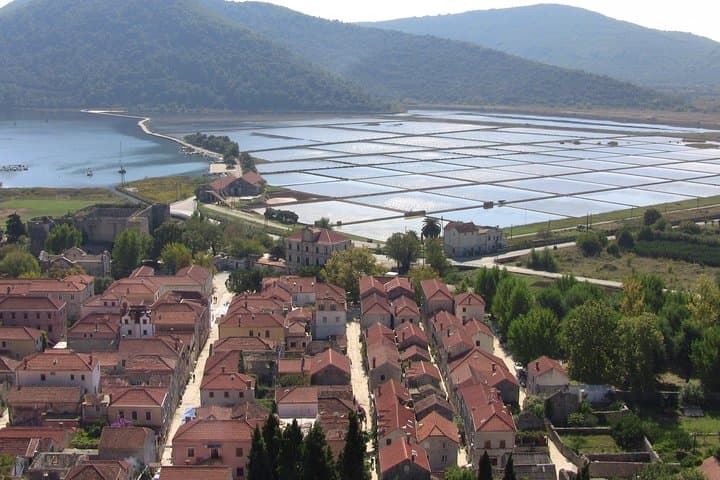
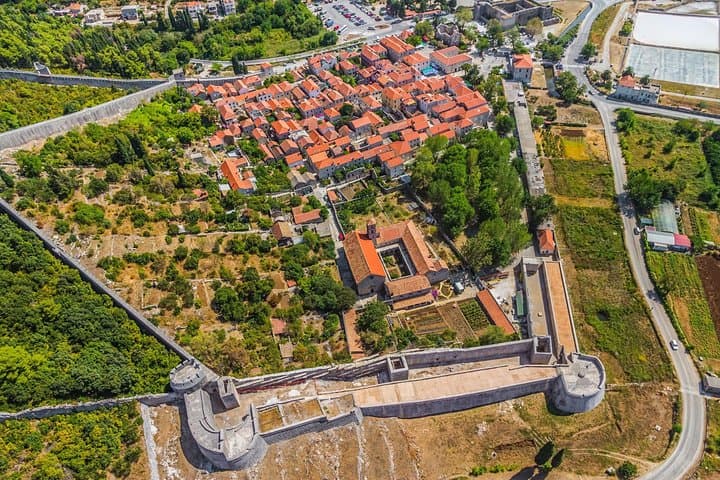
Ston’s fortification—often called Europe’s longest stone wall—dates to the 14th century when the Republic of Ragusa fortified the saltworks that financed its power. The low, flat pans beside the town are among the oldest continuously operated salt-works in the world, cut into the bay’s geology where Miocene limestone meets sheltered waters. Mali Ston, a small fishing village tucked along the inner bay, has cultivated oysters and mussels since Roman times; local growers still use traditional racks and nets in the calm, nutrient-rich estuary.
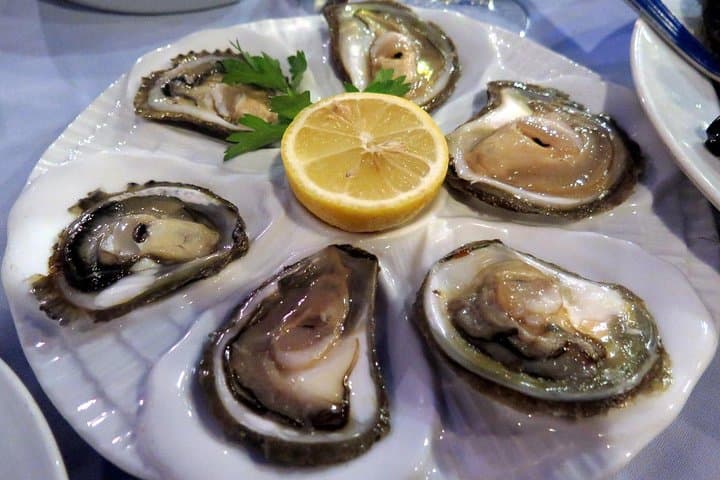
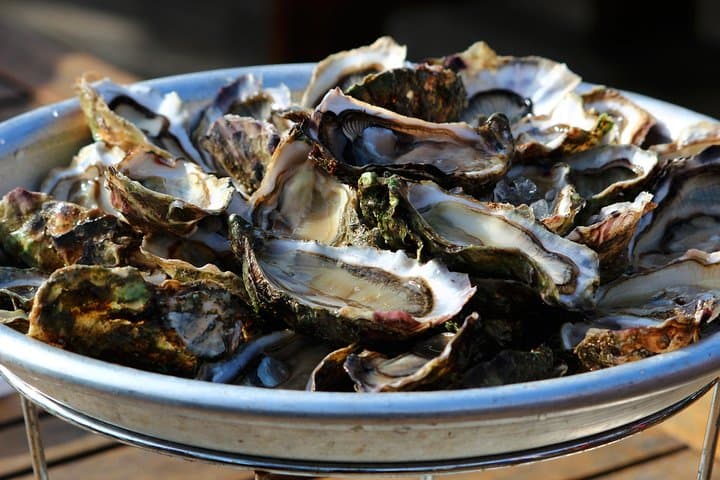
Expect a short walking tour of Ston’s quiet streets and a chance to climb a section of the wall for open-water views, followed by a boat transfer to oyster beds where a host demonstrates husbandry and opens oysters for tasting paired with local white wine.
Practical notes: the trip is mostly easy walking but includes uneven stone streets and a 60-minute boat leg—dress in layered sun protection and shoes with grip. Bring a light jacket for the bay’s wind and a small daypack for water and camera. If you have shellfish allergies or immune concerns, notify your guide in advance. Mornings are cooler and calmer on the water; afternoons bring more breeze and crowds. This blend of history, working aquaculture, and short sea travel makes for a sensory, low-impact day trip from Dubrovnik.
easy.
6 hours.
Suitable for most fitness levels; requires short periods of walking on uneven stone and standing during tastings.
Pickup and return from Dubrovnik make the total experience about six hours, including driving time, visits in Ston and Mali Ston, and the oyster boat ride.
The boat visit to the oyster farm is weather-dependent; if sea conditions are unsafe the operator will adjust the itinerary or offer shore-based tastings and explanations.
If you are pregnant or have shellfish allergies or a weakened immune system, avoid raw oysters—notify the guide ahead of time to arrange alternatives or skip tastings.
Access to certain wall sections may require a small local fee; salt-works areas are often viewable for free, but some private demonstrations may have a charge included in tour pricing.
Ston and Mali Ston grew wealthy on medieval salt production under the Republic of Ragusa; the town’s walls were built to protect this valuable resource.
Mali Ston Bay is managed for sustainable aquaculture and bird habitat—respect farm boundaries, avoid littering, and follow guide instructions to minimize disturbance.
Super Tours operates guided outdoor trips and adventures with an emphasis on safety, stewardship, and memorable experiences.
The morning drive peels away Dubrovnik’s stone facades and drops you onto a coastal road where pine-scented hills lean toward the Adriatic. Small coves and pale salt pans blur past as the vehicle threads the Pelješac peninsula; by the time Ston’s ramparts appear you’re trading city noise for gulls and sea-breeze.
The morning drive peels away Dubrovnik’s stone facades and drops you onto a coastal road where pine-scented hills lean toward the Adriatic. Small coves and pale salt pans blur past as the vehicle threads the Pelješac peninsula; by the time Ston’s ramparts appear you’re trading city noise for gulls and sea-breeze.
Ston’s fortification—often called Europe’s longest stone wall—dates to the 14th century when the Republic of Ragusa fortified the saltworks that financed its power. The low, flat pans beside the town are among the oldest continuously operated salt-works in the world, cut into the bay’s geology where Miocene limestone meets sheltered waters. Mali Ston, a small fishing village tucked along the inner bay, has cultivated oysters and mussels since Roman times; local growers still use traditional racks and nets in the calm, nutrient-rich estuary.
Expect a short walking tour of Ston’s quiet streets and a chance to climb a section of the wall for open-water views, followed by a boat transfer to oyster beds where a host demonstrates husbandry and opens oysters for tasting paired with local white wine.
Practical notes: the trip is mostly easy walking but includes uneven stone streets and a 60-minute boat leg—dress in layered sun protection and shoes with grip. Bring a light jacket for the bay’s wind and a small daypack for water and camera. If you have shellfish allergies or immune concerns, notify your guide in advance. Mornings are cooler and calmer on the water; afternoons bring more breeze and crowds. This blend of history, working aquaculture, and short sea travel makes for a sensory, low-impact day trip from Dubrovnik.