THE ADVENTURE COLLECTIVE® · Independent discovery and booking for outdoor travel

Spend an hour with the Maleku at Ecocentro Danaus: traditional prayers, live music, chicha tasting and jicara painting framed by Arenal’s humid forest. This concise cultural presentation pairs hands-on craft with ecological context, ideal for curious travelers based in La Fortuna.
Spend an hour with the Maleku at Ecocentro Danaus: traditional prayers, live music, chicha tasting and jicara painting framed by Arenal’s humid forest. This concise cultural presentation pairs hands-on craft with ecological context, ideal for curious travelers based in La Fortuna.
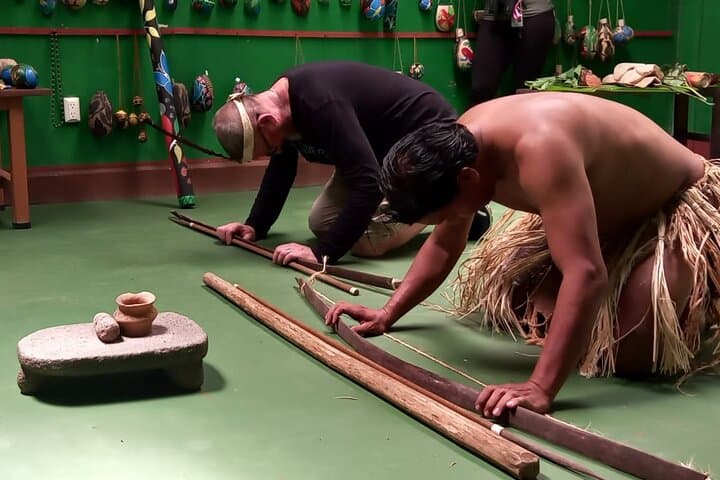
A low-slung palapa opens onto humid green—a classroom that smells of wet earth and wood smoke. Visitors sit on benches while elders lift the day with an Earth and Sun prayer; drums answer the call and a chorus of traditional songs draws the forest in closer.
Verified experiences and guided adventures in the surrounding area.
Operated by Ecocentro Danaus · La Fortuna, Alajuela
A low-slung palapa opens onto humid green—a classroom that smells of wet earth and wood smoke. Visitors sit on benches while elders lift the day with an Earth and Sun prayer; drums answer the call and a chorus of traditional songs draws the forest in closer.
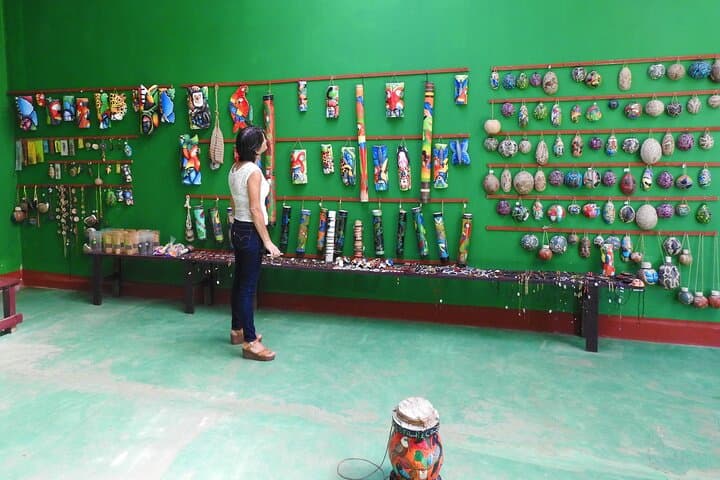
Ecocentro Danaus is a small conservation center outside La Fortuna that partners with the Maleku people to present living traditions alongside local ecology. The Maleku are one of Costa Rica’s recognized indigenous groups; their songs, painted jicaras (gourd bowls) and chicha recipes carry stories about river routes, medicinal plants and seasonal cycles.
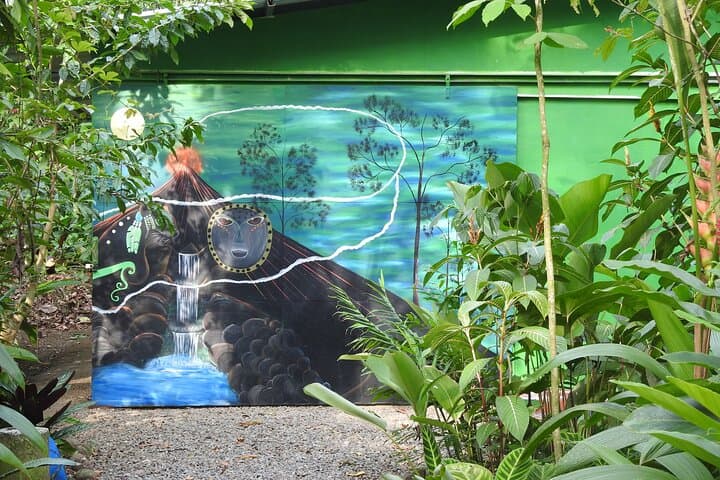
Geology and climate shape the encounter: volcanic soils around Arenal feed dense forest pockets, and the humid air amplifies the patter of percussion and the chirp of nearby frogs. The presentation emphasizes hands-on craft—painting a jicara, tasting chicha—and explains plant uses while situating practices in a landscape where agriculture and forest stewardship meet.
Practicalities are straightforward. The program runs about 60 minutes, is suitable for most fitness levels and takes place in sheltered, flat spaces with short steps. Expect some standing during demonstrations and the chance to photograph performances; an English translator is usually present. Bring insect repellent, a water bottle and a light rain layer in the wet season. Arrive early to browse on-site trails and butterfly exhibits, and allow extra time if you want to speak with artisans after the presentation.
This is a compact, respectful introduction to Maleku culture framed by conservation work—ideal for travelers who want an accessible cultural immersion without a full-day commitment.
easy.
1 hour.
Suitable for nearly all fitness levels; mostly seated and flat walking paths.
The program runs about 60 minutes and typically includes prayer, songs, a chicha tasting and a jicara-painting segment.
Yes—content is suitable for children and elders; demonstrations are hands-on but accessible, with some standing required.
A sample tasting of traditional chicha is normally provided; other food or large refreshments are not included.
The main presentation area is on relatively flat ground with short steps; accessibility can vary—contact the center ahead of time to confirm accommodations.
The Maleku are an indigenous group from northern Costa Rica; Ecocentro Danaus provides a platform for cultural exchange while teaching traditional plant uses and crafts.
The center combines cultural programming with habitat protection—visits help support local stewardship, artisan livelihoods and small-scale conservation initiatives.
Ecocentro Danaus operates guided outdoor trips and adventures with an emphasis on safety, stewardship, and memorable experiences.

A low-slung palapa opens onto humid green—a classroom that smells of wet earth and wood smoke. Visitors sit on benches while elders lift the day with an Earth and Sun prayer; drums answer the call and a chorus of traditional songs draws the forest in closer.
A low-slung palapa opens onto humid green—a classroom that smells of wet earth and wood smoke. Visitors sit on benches while elders lift the day with an Earth and Sun prayer; drums answer the call and a chorus of traditional songs draws the forest in closer.
Ecocentro Danaus is a small conservation center outside La Fortuna that partners with the Maleku people to present living traditions alongside local ecology. The Maleku are one of Costa Rica’s recognized indigenous groups; their songs, painted jicaras (gourd bowls) and chicha recipes carry stories about river routes, medicinal plants and seasonal cycles.
Geology and climate shape the encounter: volcanic soils around Arenal feed dense forest pockets, and the humid air amplifies the patter of percussion and the chirp of nearby frogs. The presentation emphasizes hands-on craft—painting a jicara, tasting chicha—and explains plant uses while situating practices in a landscape where agriculture and forest stewardship meet.
Practicalities are straightforward. The program runs about 60 minutes, is suitable for most fitness levels and takes place in sheltered, flat spaces with short steps. Expect some standing during demonstrations and the chance to photograph performances; an English translator is usually present. Bring insect repellent, a water bottle and a light rain layer in the wet season. Arrive early to browse on-site trails and butterfly exhibits, and allow extra time if you want to speak with artisans after the presentation.
This is a compact, respectful introduction to Maleku culture framed by conservation work—ideal for travelers who want an accessible cultural immersion without a full-day commitment.