THE ADVENTURE COLLECTIVE® · Independent discovery and booking for outdoor travel

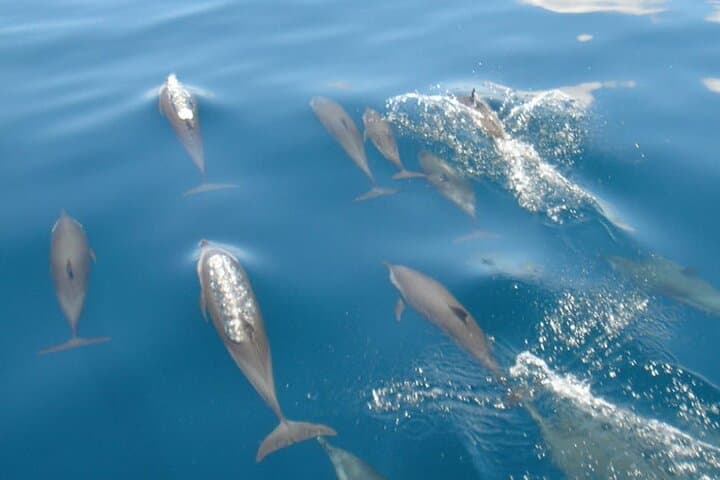
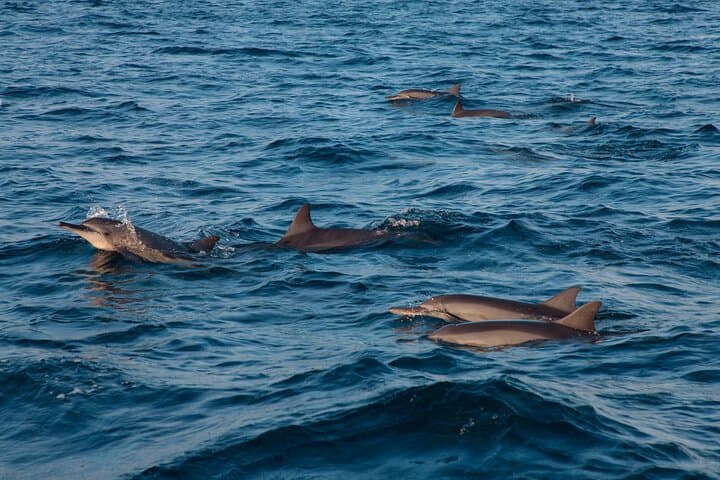
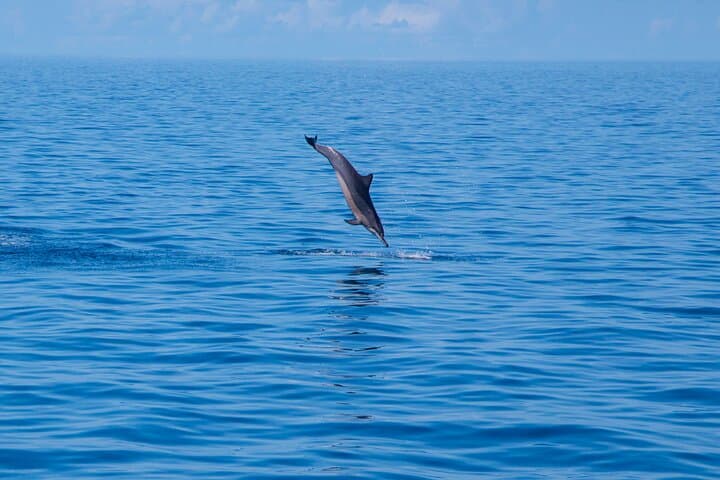
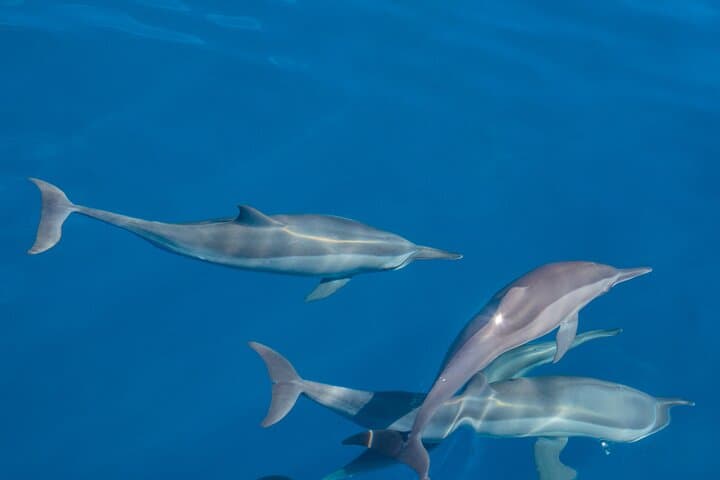
Set off from Malé or Hulhumalé on a two‑hour speedboat cruise to Dolphin Point, where spinner and bottlenose dolphins often leap and play. This short excursion pairs island views with experienced crews who know the best seasonal sightings.
Set off from Malé or Hulhumalé on a two‑hour speedboat cruise to Dolphin Point, where spinner and bottlenose dolphins often leap and play. This short excursion pairs island views with experienced crews who know the best seasonal sightings.
Morning light hits the lagoon and the speedboat hums away from Malé, cutting a clean arc through turquoise water. The islands slip by like postcards: sand fringes, coral shelves, and the low rise of Hulhumalé before the crew angles toward Dolphin Point where the sea often bristles with motion.
Verified experiences and guided adventures in the surrounding area.
Operated by Maldives Experiences · Malé, Kaafu Atoll
Morning light hits the lagoon and the speedboat hums away from Malé, cutting a clean arc through turquoise water. The islands slip by like postcards: sand fringes, coral shelves, and the low rise of Hulhumalé before the crew angles toward Dolphin Point where the sea often bristles with motion.
The Central Maldives sits atop an ancient coral platform; currents funnel nutrients here and attract small fish, which in turn lure spinner and bottlenose dolphins. The Indian Ocean has long been part of local livelihoods—fishing, boatbuilding, and island trade—and modern dolphin tours thread that heritage with contemporary tourism.
Culturally, boat crews are repositories of local knowledge: they read swells, watch seabirds, and know which channels hold pods after night feeding. Geologically the atolls form rings of reef with shallow lagoons that warm quickly, making the water shimmer and the dolphins’ behavior visible from a distance.
Practical guidance: tours last about two hours and typically include pickup in Malé or Hulhumalé, bottled water, lifejackets and an onboard restroom. Bring reef‑safe sunscreen, a hat, and binoculars; expect occasional spray and the need for steady footing on a rocking deck. Keep camera settings ready—dolphins often appear in quick bursts—and follow crew directions to avoid stressing wildlife.
Timing matters: early morning and late afternoon are most active. The activity is suitable for most fitness levels but not recommended for those with serious back issues or pregnancy. Respect the animals: observe, don’t attempt to touch or feed, and let the crew manage approach distances.
easy.
2 hours.
Suitable for most travelers with basic mobility; requires getting on/off a speedboat and standing on a moving deck.
No—sightings are frequent but not guaranteed; experienced crews choose likely areas but animals are wild and roam freely.
Yes; free pickup and drop‑off from hotels and AirBnBs in Hulhumalé and Malé are typically provided—confirm your pickup point when booking.
Children can join (infants must sit on laps), but tours are not recommended for pregnant travelers or those with serious back problems due to boat motion.
Tours commonly include lifejackets, bottled water, an onboard restroom, shade, and sometimes Wi‑Fi on request.
Malé and surrounding atolls have been maritime hubs for centuries; dhow and fishing traditions evolved into the modern boat culture that runs today’s tours.
Operators are increasingly adopting guidelines to minimize disturbance—observe at a distance, avoid feeding wildlife, and use reef‑safe products to protect coral reefs.
Maldives Experiences operates guided outdoor trips and adventures with an emphasis on safety, stewardship, and memorable experiences.
Morning light hits the lagoon and the speedboat hums away from Malé, cutting a clean arc through turquoise water. The islands slip by like postcards: sand fringes, coral shelves, and the low rise of Hulhumalé before the crew angles toward Dolphin Point where the sea often bristles with motion.
Morning light hits the lagoon and the speedboat hums away from Malé, cutting a clean arc through turquoise water. The islands slip by like postcards: sand fringes, coral shelves, and the low rise of Hulhumalé before the crew angles toward Dolphin Point where the sea often bristles with motion.
The Central Maldives sits atop an ancient coral platform; currents funnel nutrients here and attract small fish, which in turn lure spinner and bottlenose dolphins. The Indian Ocean has long been part of local livelihoods—fishing, boatbuilding, and island trade—and modern dolphin tours thread that heritage with contemporary tourism.
Culturally, boat crews are repositories of local knowledge: they read swells, watch seabirds, and know which channels hold pods after night feeding. Geologically the atolls form rings of reef with shallow lagoons that warm quickly, making the water shimmer and the dolphins’ behavior visible from a distance.
Practical guidance: tours last about two hours and typically include pickup in Malé or Hulhumalé, bottled water, lifejackets and an onboard restroom. Bring reef‑safe sunscreen, a hat, and binoculars; expect occasional spray and the need for steady footing on a rocking deck. Keep camera settings ready—dolphins often appear in quick bursts—and follow crew directions to avoid stressing wildlife.
Timing matters: early morning and late afternoon are most active. The activity is suitable for most fitness levels but not recommended for those with serious back issues or pregnancy. Respect the animals: observe, don’t attempt to touch or feed, and let the crew manage approach distances.