THE ADVENTURE COLLECTIVE® · Independent discovery and booking for outdoor travel

Spend a half day from Malang walking through Wonosari’s colonial-era tea fields and visiting a working bee farm. This relaxed nature-and-culture trip includes a factory visit, a hill viewpoint, honey tasting, and clear views of Java’s volcanic skyline on good days.
Spend a half day from Malang walking through Wonosari’s colonial-era tea fields and visiting a working bee farm. This relaxed nature-and-culture trip includes a factory visit, a hill viewpoint, honey tasting, and clear views of Java’s volcanic skyline on good days.
Morning light slices across the tea rows as you climb from Malang’s valley toward Wonosari—leaves glint wet or dry, the plantation’s green folding into the distant silhouette of Arjuno-Welirang. The day begins with a short drive and a hum: bees busy at the farm, a local guide handing over a piece of honeycomb to taste. The air here pushes you forward; wind and insect life make the landscape feel alive and immediate.
Verified experiences and guided adventures in the surrounding area.
Operated by OURTRIP1st Bromo Ijen Tour Operator · Malang, East Java
Morning light slices across the tea rows as you climb from Malang’s valley toward Wonosari—leaves glint wet or dry, the plantation’s green folding into the distant silhouette of Arjuno-Welirang. The day begins with a short drive and a hum: bees busy at the farm, a local guide handing over a piece of honeycomb to taste. The air here pushes you forward; wind and insect life make the landscape feel alive and immediate.
The tea fields date to the Dutch colonial era when estates were established on Java’s cooler uplands; the packing shed still runs on simple, mechanical routines you can watch. Geologically this is the eastern Javan volcanic arc—fertile soils from past eruptions feed the shrubs, while nearby peaks like Semeru and Arjuno frame the horizon on clear days. Culturally, smallholder farmers and local cooperatives shape daily rhythms; the bee farm reflects traditional uses of honey for food and local remedies.
Practical guidance: expect 6–8 hours including transfers, with around 2 hours of walking at Kuneer Hills and plant rows—terrain is mostly compact dirt and paved plantation paths with modest inclines. Wear supportive shoes, bring sun protection and a light rain layer (tropical weather changes fast), and carry snacks and water even if mineral water is provided. Photography is straightforward but respect workers’ space and ask before entering processing areas. If you’re sensitive to bee stings, notify the operator ahead of time. This half-day is ideal as a gentle cultural primer before longer treks in East Java—short on exertion, rich in sensory detail and local flavor.
moderate.
6–8 hours.
Moderate fitness: able to walk 2–4 km on uneven dirt and paved plantation paths and climb short hills.
The private tour runs approximately 6–8 hours and includes hotel pickup, private car, mineral water, entrance to Wonosari tea plantation, bee farm visit and a portion of honeycomb to share.
Yes—guides manage demonstrations and you can taste honeycomb; however those with bee allergies should not participate and must inform the operator beforehand.
Visitors can tour the packing/sorting area when it’s operational; access depends on factory schedule and safety rules on the day.
Generally yes for older children and moderately fit older adults, but it’s not recommended for those with serious back, heart, or pregnancy-related restrictions per operator guidance.
Wonosari’s tea estate traces to Dutch colonial plantations established on Java’s cooler uplands; some factory buildings retain early 20th-century machinery and layout.
Support local practices by staying on trails, avoiding litter, and buying honey from local producers—these small actions help sustain tea-field ecosystems and beekeeping livelihoods.
OURTRIP1st Bromo Ijen Tour Operator operates guided outdoor trips and adventures with an emphasis on safety, stewardship, and memorable experiences.
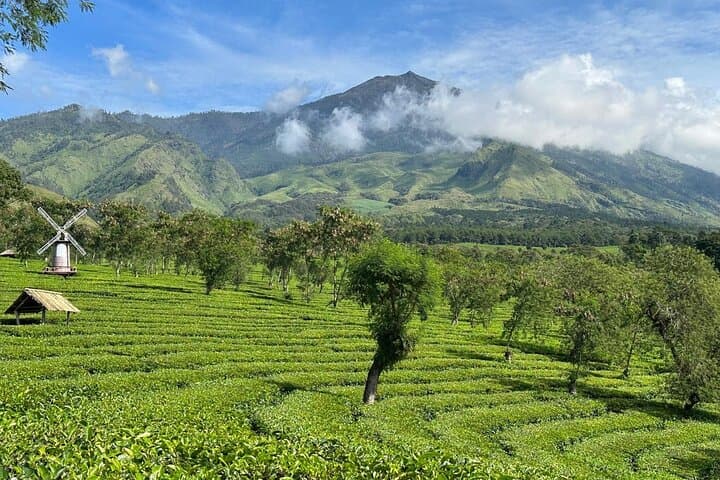
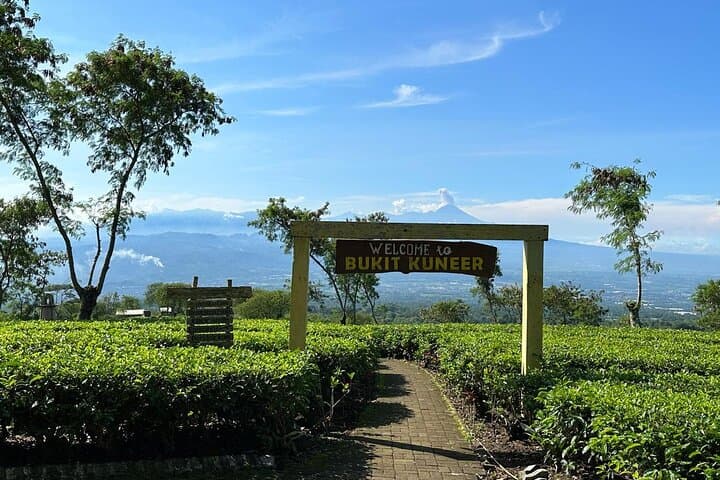
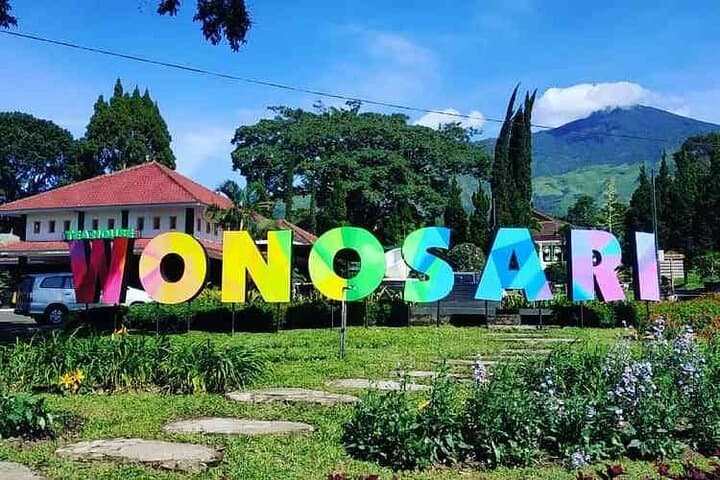
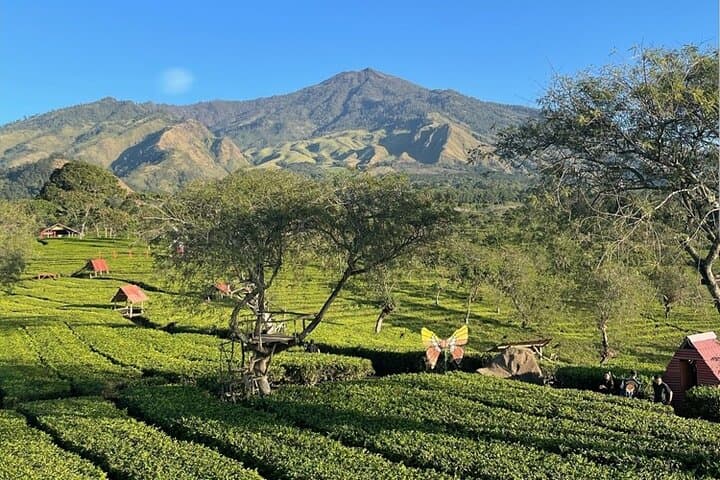
Morning light slices across the tea rows as you climb from Malang’s valley toward Wonosari—leaves glint wet or dry, the plantation’s green folding into the distant silhouette of Arjuno-Welirang. The day begins with a short drive and a hum: bees busy at the farm, a local guide handing over a piece of honeycomb to taste. The air here pushes you forward; wind and insect life make the landscape feel alive and immediate.
Morning light slices across the tea rows as you climb from Malang’s valley toward Wonosari—leaves glint wet or dry, the plantation’s green folding into the distant silhouette of Arjuno-Welirang. The day begins with a short drive and a hum: bees busy at the farm, a local guide handing over a piece of honeycomb to taste. The air here pushes you forward; wind and insect life make the landscape feel alive and immediate.
The tea fields date to the Dutch colonial era when estates were established on Java’s cooler uplands; the packing shed still runs on simple, mechanical routines you can watch. Geologically this is the eastern Javan volcanic arc—fertile soils from past eruptions feed the shrubs, while nearby peaks like Semeru and Arjuno frame the horizon on clear days. Culturally, smallholder farmers and local cooperatives shape daily rhythms; the bee farm reflects traditional uses of honey for food and local remedies.
Practical guidance: expect 6–8 hours including transfers, with around 2 hours of walking at Kuneer Hills and plant rows—terrain is mostly compact dirt and paved plantation paths with modest inclines. Wear supportive shoes, bring sun protection and a light rain layer (tropical weather changes fast), and carry snacks and water even if mineral water is provided. Photography is straightforward but respect workers’ space and ask before entering processing areas. If you’re sensitive to bee stings, notify the operator ahead of time. This half-day is ideal as a gentle cultural primer before longer treks in East Java—short on exertion, rich in sensory detail and local flavor.