THE ADVENTURE COLLECTIVE® · Independent discovery and booking for outdoor travel

Walk through working olive groves outside Málaga, learn traditional pressing methods, and taste concentrated extra‑virgin oils. Ideal for food lovers and light walkers, the tour combines a countryside stroll with a hands‑on harvest experience during October.
Walk through working olive groves outside Málaga, learn traditional pressing methods, and taste concentrated extra‑virgin oils. Ideal for food lovers and light walkers, the tour combines a countryside stroll with a hands‑on harvest experience during October.
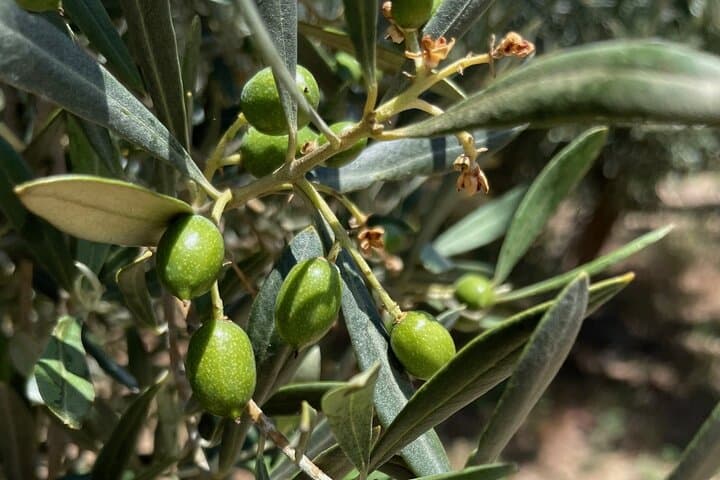
You step out of the car and the air is sharp with leaf and soil; rows of olive trees angle across the hillside, leaves whispering as a low wind pushes through. The grove guides your pace, the trunks gnarled like old hands pointing you toward the tasting table where a break in the trees opens onto rolling, sun-bleached fields.
Verified experiences and guided adventures in the surrounding area.
Operated by Boribel · Málaga, Andalusia
You step out of the car and the air is sharp with leaf and soil; rows of olive trees angle across the hillside, leaves whispering as a low wind pushes through. The grove guides your pace, the trunks gnarled like old hands pointing you toward the tasting table where a break in the trees opens onto rolling, sun-bleached fields.
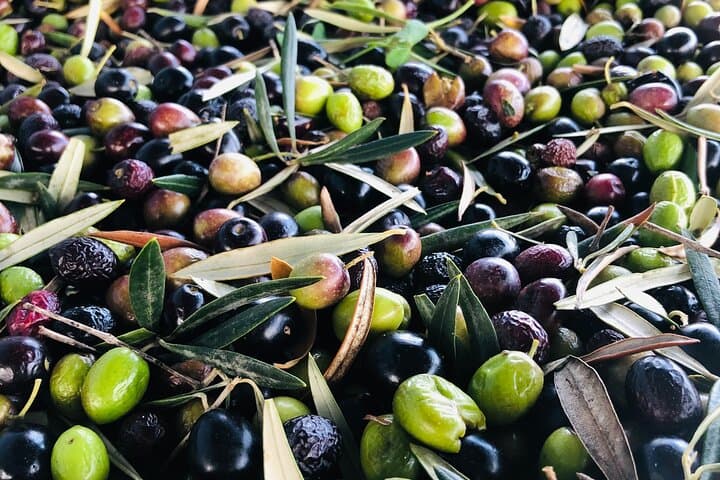
Olive growing here dates to ancient Mediterranean traders and Roman estates; the region’s limestone soils and hot, dry summers concentrate oils into the peppery, grassy extra-virgin flavors you’ll taste. Small family almazaras (mills) still press by season, and the harvest—usually October—turns the countryside social, with neighbors sharing work and pan con aceite.
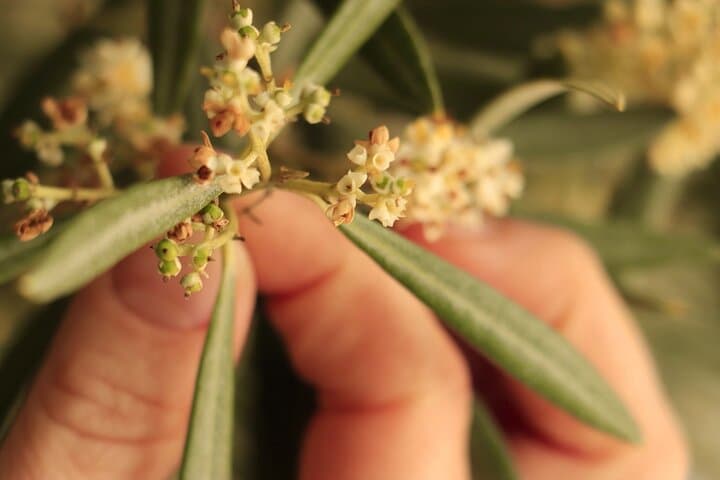
The walk is gentle: 2–3 hours across packed dirt and low rises, offering close-up views of varietals and the occasional stone terrace. Your host explains pruning cycles, the cold‑press process, and how terroir shapes bitterness and aroma. Tasting is structured: look, swirl, sip, and learn to detect green apple, artichoke, and pepper notes. There’s a hands-on harvesting option in season, where you’ll use hand rakes and nets under supervision.
Practical notes: wear sturdy shoes and sun protection, expect short stretches of uneven ground, and plan for minimal cell service so you can focus on flavor and landscape. Bring a reusable water bottle, and leave room in your luggage—local oils and soaps make compact souvenirs. This is an accessible, sensory way to read the land through its oldest crop.
easy.
2–3 hours.
Suitable for most fitness levels; participants should be able to walk 2–3 hours on uneven terrain with short rises.
Yes—tours are small and often private; booking ahead secures your spot and lets hosts prepare tastings.
No—hands-on harvesting typically takes place in October; outside that window you can still tour and taste.
Yes—children can taste small samples and enjoy the walk, though harvest tools are for adults and supervised participants only.
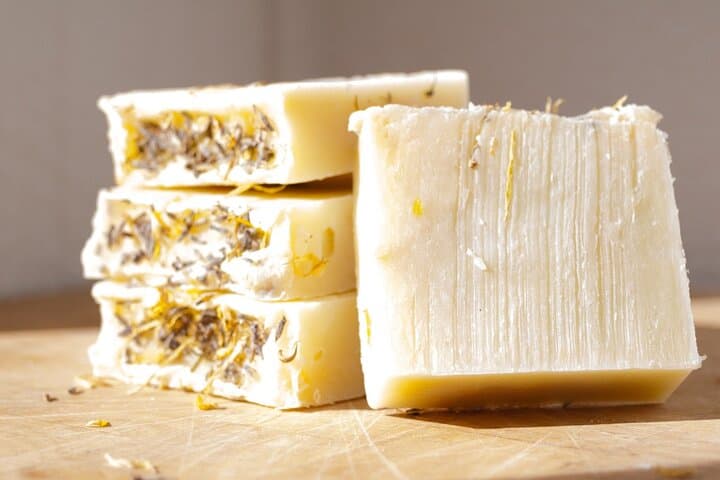
Yes—many groves sell bottled oil, soaps, and jams produced on the property; ask about shipping options for larger purchases.
Olive cultivation in the Málaga province has roots in Phoenician and Roman trade, evolving into family-run groves that preserved traditional pressing techniques.
Many local producers follow low‑input, organic-friendly practices and encourage visitors to avoid disturbing wildlife and to take home only purchased goods to reduce impact.
Boribel operates guided outdoor trips and adventures with an emphasis on safety, stewardship, and memorable experiences.
You step out of the car and the air is sharp with leaf and soil; rows of olive trees angle across the hillside, leaves whispering as a low wind pushes through. The grove guides your pace, the trunks gnarled like old hands pointing you toward the tasting table where a break in the trees opens onto rolling, sun-bleached fields.
You step out of the car and the air is sharp with leaf and soil; rows of olive trees angle across the hillside, leaves whispering as a low wind pushes through. The grove guides your pace, the trunks gnarled like old hands pointing you toward the tasting table where a break in the trees opens onto rolling, sun-bleached fields.
Olive growing here dates to ancient Mediterranean traders and Roman estates; the region’s limestone soils and hot, dry summers concentrate oils into the peppery, grassy extra-virgin flavors you’ll taste. Small family almazaras (mills) still press by season, and the harvest—usually October—turns the countryside social, with neighbors sharing work and pan con aceite.
The walk is gentle: 2–3 hours across packed dirt and low rises, offering close-up views of varietals and the occasional stone terrace. Your host explains pruning cycles, the cold‑press process, and how terroir shapes bitterness and aroma. Tasting is structured: look, swirl, sip, and learn to detect green apple, artichoke, and pepper notes. There’s a hands-on harvesting option in season, where you’ll use hand rakes and nets under supervision.
Practical notes: wear sturdy shoes and sun protection, expect short stretches of uneven ground, and plan for minimal cell service so you can focus on flavor and landscape. Bring a reusable water bottle, and leave room in your luggage—local oils and soaps make compact souvenirs. This is an accessible, sensory way to read the land through its oldest crop.