THE ADVENTURE COLLECTIVE® · Independent discovery and booking for outdoor travel

Dive a transformed wharf off Lahaina where turtles, reef sharks, and camouflaged critters inhabit a concrete skeleton reclaimed by coral. This small-group shore dive is tailored for certified divers seeking abundant life and focused instruction.
Dive a transformed wharf off Lahaina where turtles, reef sharks, and camouflaged critters inhabit a concrete skeleton reclaimed by coral. This small-group shore dive is tailored for certified divers seeking abundant life and focused instruction.
You step off a sun-warmed rock, push past the bright surface, and descend toward a concrete skeleton where sunlight fractures into ribbons. The condemned Mala Wharf has become a living reef; schools of fish weave through rebar and broken planks while honu (green sea turtles) glide like slow comets. A white-tip reef shark rests under a slab of cement as if claiming a cave, and the instructor points out a camouflaged frogfish tucked into a sponge.
Verified experiences and guided adventures in the surrounding area.
Operated by Dive Maui · Lahaina, Hawaii
You step off a sun-warmed rock, push past the bright surface, and descend toward a concrete skeleton where sunlight fractures into ribbons. The condemned Mala Wharf has become a living reef; schools of fish weave through rebar and broken planks while honu (green sea turtles) glide like slow comets. A white-tip reef shark rests under a slab of cement as if claiming a cave, and the instructor points out a camouflaged frogfish tucked into a sponge.
Mala’s present is marine life built on human-made structure. After Hurricane Iniki in 1992 destroyed the pier, currents and corals reclaimed it, turning rust and concrete into vertical gardens. Geologically, the west Maui coastline is young basalt overlain by reef growth, so dives here reveal both volcanic substrate and active reef-building. Lahaina’s history as a whaling and sugar port lingers in harbor towns and local stories, and you’ll hear respect for turtles woven into island culture.
Practically, this is a shore dive suited to certified divers who have been in the water within two years. Expect a 2–3 hour outing from the shop in Lahaina with roughly an hour of bottom time, depending on air. Conditions favor morning dives when swell and winds are typically lighter; visibility is usually good but can vary with trade winds. Groups are capped at four divers, so instruction is hands-on and photo opportunities plentiful.
Bring a dive computer or rent one, secure reef-safe sunscreen, and be ready to carry gear from the shop to the entry point. Respect marine life—no touching, no chasing—and plan for a solid surface interval if you’re diving again the same day.
moderate.
2–3 hours.
Moderate fitness—able to carry your own scuba gear and perform shore entry/exit; comfortable with several minutes of surface swim.
Yes—this is for certified divers only; you must show certification and have logged or performed a dive within the past two years.
Bottom time is typically up to an hour, air permitting; total trip time from the shop is about 2–3 hours including briefing and surface intervals.
Common sightings include green sea turtles, white-tip reef sharks, schools of tropical fish, octopus, eels, nudibranchs, and occasionally frogfish.
Shore entries and uneven surfaces require some experience; small-group size (max 4) offers extra instructor support, but recent diving experience is required.
Mala Wharf was heavily damaged in Hurricane Iniki (1992); the wreckage has since become one of West Maui’s richest shore dive habitats.
Maui sites emphasize reef-safe practices—avoid contact with coral, use reef-safe sunscreen, and follow local guidelines to minimize impact on turtle and shark populations.
Dive Maui operates guided outdoor trips and adventures with an emphasis on safety, stewardship, and memorable experiences.
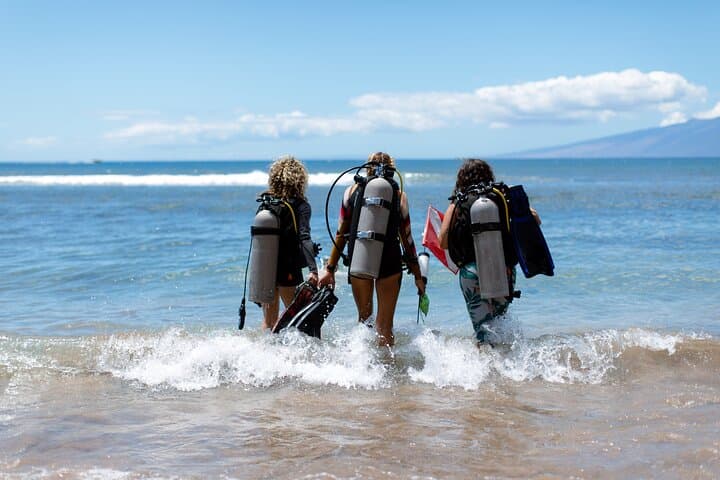
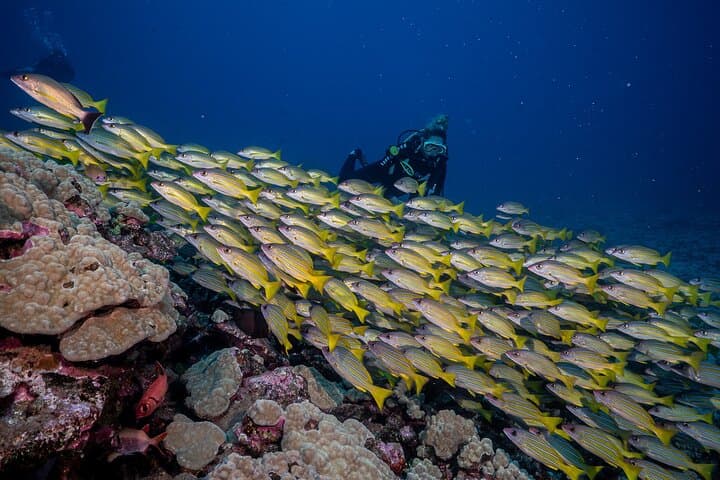
You step off a sun-warmed rock, push past the bright surface, and descend toward a concrete skeleton where sunlight fractures into ribbons. The condemned Mala Wharf has become a living reef; schools of fish weave through rebar and broken planks while honu (green sea turtles) glide like slow comets. A white-tip reef shark rests under a slab of cement as if claiming a cave, and the instructor points out a camouflaged frogfish tucked into a sponge.
You step off a sun-warmed rock, push past the bright surface, and descend toward a concrete skeleton where sunlight fractures into ribbons. The condemned Mala Wharf has become a living reef; schools of fish weave through rebar and broken planks while honu (green sea turtles) glide like slow comets. A white-tip reef shark rests under a slab of cement as if claiming a cave, and the instructor points out a camouflaged frogfish tucked into a sponge.
Mala’s present is marine life built on human-made structure. After Hurricane Iniki in 1992 destroyed the pier, currents and corals reclaimed it, turning rust and concrete into vertical gardens. Geologically, the west Maui coastline is young basalt overlain by reef growth, so dives here reveal both volcanic substrate and active reef-building. Lahaina’s history as a whaling and sugar port lingers in harbor towns and local stories, and you’ll hear respect for turtles woven into island culture.
Practically, this is a shore dive suited to certified divers who have been in the water within two years. Expect a 2–3 hour outing from the shop in Lahaina with roughly an hour of bottom time, depending on air. Conditions favor morning dives when swell and winds are typically lighter; visibility is usually good but can vary with trade winds. Groups are capped at four divers, so instruction is hands-on and photo opportunities plentiful.
Bring a dive computer or rent one, secure reef-safe sunscreen, and be ready to carry gear from the shop to the entry point. Respect marine life—no touching, no chasing—and plan for a solid surface interval if you’re diving again the same day.