THE ADVENTURE COLLECTIVE® · Independent discovery and booking for outdoor travel

Spend a morning birdwatching with a local ornithologist in Maksimir Park, then explore Zagreb Zoo at your own pace. This relaxed, seven‑hour tour combines guided wildlife observation, urban park history, and free time to roam the zoo.
Spend a morning birdwatching with a local ornithologist in Maksimir Park, then explore Zagreb Zoo at your own pace. This relaxed, seven‑hour tour combines guided wildlife observation, urban park history, and free time to roam the zoo.
Morning light slides through tall oaks as the group gathers at Maksimir Park’s main gate — a city green that feels like a woods with a postal code. The guide, a local ornithologist, gestures toward reed-lined lakes where warblers flick and herons loom like slow ghosts; the air carries the low, insistent rhythm of city life softened by bird song.
Verified experiences and guided adventures in the surrounding area.
Operated by Science Tours · Zagreb, Zagreb
Morning light slides through tall oaks as the group gathers at Maksimir Park’s main gate — a city green that feels like a woods with a postal code. The guide, a local ornithologist, gestures toward reed-lined lakes where warblers flick and herons loom like slow ghosts; the air carries the low, insistent rhythm of city life softened by bird song.
Maksimir dates to the late 18th and early 19th centuries when Bishop Maksimilijan Vrhovac transformed former pasture into one of Zagreb’s first public parks. Its rolling glades and layered plantings create microhabitats: gravel paths and open lawns, shaded groves, and a chain of five lakes carved into the terrain. The zoo, established in the 1920s inside the park, adds a cultural layer — a space where conservation and urban recreation intersect.
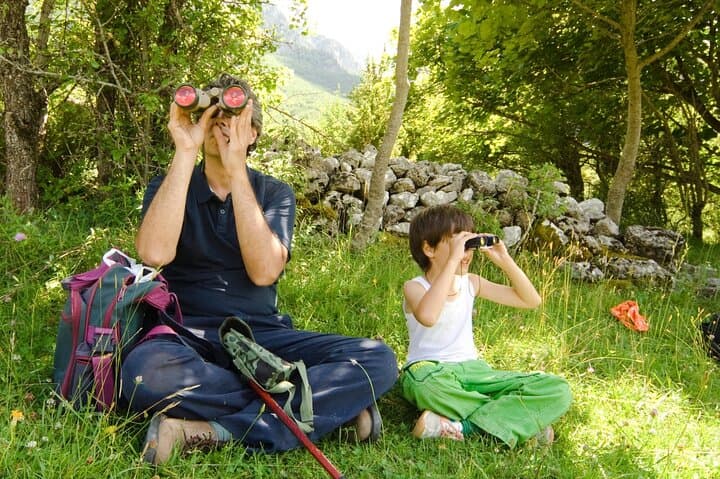
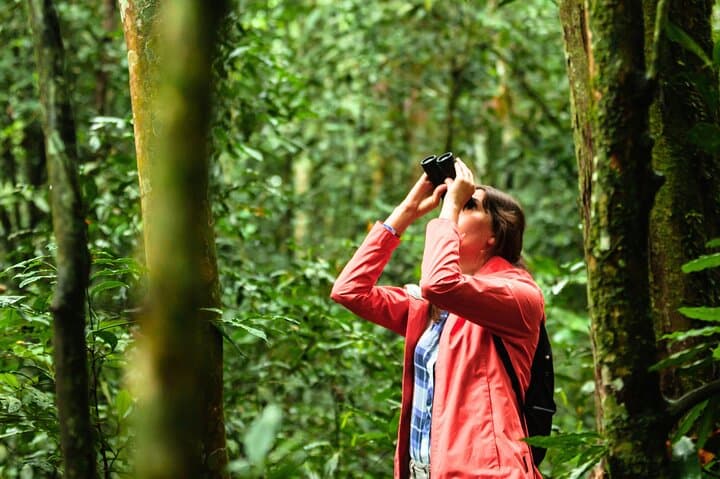
On this shared tour expect gentle walking on grass and packed gravel, periodic stops to listen and scan with binoculars (provided). The ornithologist explains identification, local migration patterns, and the park’s role as a green corridor. After a midday break you’ll use the included zoo ticket to explore exhibits at your own pace; a 30-minute row on the central lake is offered separately when available.
Practical notes: the full experience runs about seven hours with time for lunch and independent zoo visiting; dress in layers, wear supportive shoes, and bring a refillable water bottle. Early morning increases the chance of active songbirds; midweek visits are quieter. Follow trail etiquette, keep distance from nests and enclosures, and carry out any waste — the park’s health depends on calm, observant visitors.
easy.
6–7 hours.
Suitable for all fitness levels; requires light walking and standing for birding stops
Yes — the guide typically brings binoculars and field guides, but you may bring your own for comfort and faster use.
Yes — zoo entry is included in the tour price and you may explore independently during the allotted afternoon time.
Rowboat rentals (30 minutes) are offered separately subject to availability and are not included in the tour price.
The walk is gentle and suitable for most ages, but there is uneven ground; contact the operator about specific mobility needs before booking.
Maksimir Park was developed in the late 18th and early 19th centuries under Bishop Maksimilijan Vrhovac and later expanded; Zagreb Zoo opened within the park in the 1920s.
Maksimir functions as an urban wildlife corridor—stay on trails, avoid disturbing nests, and follow zoo rules to support ongoing conservation and research efforts.
Science Tours operates guided outdoor trips and adventures with an emphasis on safety, stewardship, and memorable experiences.


Morning light slides through tall oaks as the group gathers at Maksimir Park’s main gate — a city green that feels like a woods with a postal code. The guide, a local ornithologist, gestures toward reed-lined lakes where warblers flick and herons loom like slow ghosts; the air carries the low, insistent rhythm of city life softened by bird song.
Morning light slides through tall oaks as the group gathers at Maksimir Park’s main gate — a city green that feels like a woods with a postal code. The guide, a local ornithologist, gestures toward reed-lined lakes where warblers flick and herons loom like slow ghosts; the air carries the low, insistent rhythm of city life softened by bird song.
Maksimir dates to the late 18th and early 19th centuries when Bishop Maksimilijan Vrhovac transformed former pasture into one of Zagreb’s first public parks. Its rolling glades and layered plantings create microhabitats: gravel paths and open lawns, shaded groves, and a chain of five lakes carved into the terrain. The zoo, established in the 1920s inside the park, adds a cultural layer — a space where conservation and urban recreation intersect.
On this shared tour expect gentle walking on grass and packed gravel, periodic stops to listen and scan with binoculars (provided). The ornithologist explains identification, local migration patterns, and the park’s role as a green corridor. After a midday break you’ll use the included zoo ticket to explore exhibits at your own pace; a 30-minute row on the central lake is offered separately when available.
Practical notes: the full experience runs about seven hours with time for lunch and independent zoo visiting; dress in layers, wear supportive shoes, and bring a refillable water bottle. Early morning increases the chance of active songbirds; midweek visits are quieter. Follow trail etiquette, keep distance from nests and enclosures, and carry out any waste — the park’s health depends on calm, observant visitors.