THE ADVENTURE COLLECTIVE® · Independent discovery and booking for outdoor travel

A practical, step-by-step field guide to performing Umrah from Jeddah or Makkah: what to expect, how the rites flow, and simple tips to move through Tawaf, Sa'i, Zamzam and the final haircut with confidence.
A practical, step-by-step field guide to performing Umrah from Jeddah or Makkah: what to expect, how the rites flow, and simple tips to move through Tawaf, Sa'i, Zamzam and the final haircut with confidence.
The first steps into the Grand Mosque slow time down: marble underfoot, the Kaaba’s cube drawing a constant clockwise tide. You move with a current of pilgrims, following a centuries-old rhythm — seven circuits of Tawaf, a pause at Maqam Ibrahim, a drink from Zamzam that cools the mouth and steadies the mind.
Verified experiences and guided adventures in the surrounding area.
Operated by Muhammad · Makkah, Makkah Province
The first steps into the Grand Mosque slow time down: marble underfoot, the Kaaba’s cube drawing a constant clockwise tide. You move with a current of pilgrims, following a centuries-old rhythm — seven circuits of Tawaf, a pause at Maqam Ibrahim, a drink from Zamzam that cools the mouth and steadies the mind.
Makkah sits on ancient trade routes and volcanic limestone ridges; the rites you walk were practiced in this valley long before modern infrastructure arrived. Safa and Marwah are small hills with outsized symbolic power: the Sa'i retraces Hajar’s search for water and became formalized in the early Islamic centuries. The Haram has been expanded repeatedly to accommodate waves of visitors, blending Ottoman, Saudi, and modern architectural layers.
Practical guidance is straightforward: the tour picks you up in an air-conditioned vehicle from Jeddah or Makkah, provides a local guide, and escorts you through ihram, Tawaf, Sa'i, Zamzam, and the ceremonial haircut. Expect 2–6 hours depending on crowds and time of day. Modest, breathable clothing and slip-on footwear make transitions easier; keep a small bottle for hydration and a pocket for prayer essentials.
Plan visits outside peak prayer times for shorter waits, and know that non-Muslims cannot enter Makkah. Respect local customs around photography and gender-separated prayer spaces. The guide’s role is to teach the sequence and help with logistics — follow their lead in busy areas.
In short: this is both a spiritual itinerary and a walking day in a dense, sacred urban environment — prepare for standing, circulating crowds, and moments of quiet focus at the Kaaba and Zamzam well.
moderate.
2–6 hours.
Moderate: be prepared to stand and walk for several hours, climb steps, and manage crowds.
No — entry to Makkah and performance of Umrah are restricted to Muslims; tour operators will check eligibility before booking.
With an organized guide and moderate crowds expect 2–6 hours; peak periods and prayer times can extend this considerably.
Yes — Zamzam water is accessible within the Haram and your guide can point you to the designated taps and barrels for drinking and filling bottles.
Yes, but the tour notes moderate fitness is required; strollers and infant seating may be accommodated in the vehicle but expect walking and standing in the mosque.
The Kaaba and the rites around Tawaf and Sa'i have roots in pre-Islamic pilgrimage practices and were codified in Islamic tradition over 1,400 years ago.
The Haram maintains intensive cleaning and crowd-control measures; pilgrims are encouraged to minimize single-use plastics and follow waste-disposal guidance to reduce strain on facilities.
Muhammad operates guided outdoor trips and adventures with an emphasis on safety, stewardship, and memorable experiences.
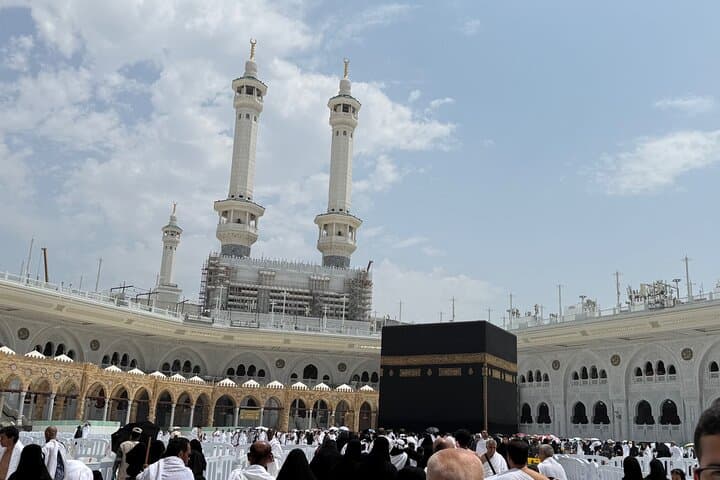
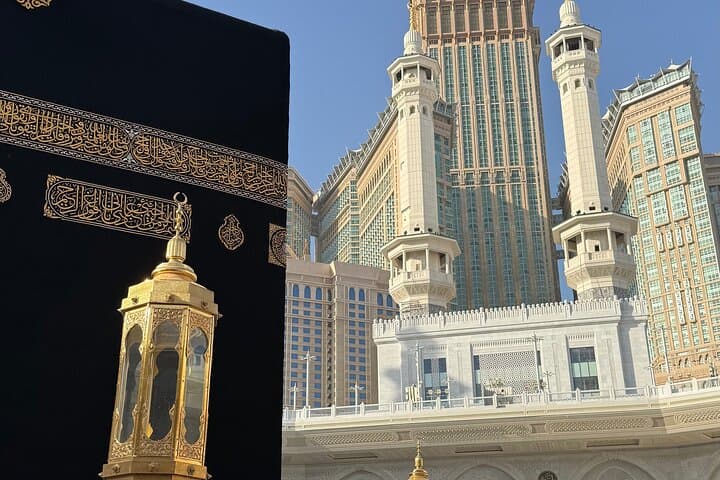


The first steps into the Grand Mosque slow time down: marble underfoot, the Kaaba’s cube drawing a constant clockwise tide. You move with a current of pilgrims, following a centuries-old rhythm — seven circuits of Tawaf, a pause at Maqam Ibrahim, a drink from Zamzam that cools the mouth and steadies the mind.
The first steps into the Grand Mosque slow time down: marble underfoot, the Kaaba’s cube drawing a constant clockwise tide. You move with a current of pilgrims, following a centuries-old rhythm — seven circuits of Tawaf, a pause at Maqam Ibrahim, a drink from Zamzam that cools the mouth and steadies the mind.
Makkah sits on ancient trade routes and volcanic limestone ridges; the rites you walk were practiced in this valley long before modern infrastructure arrived. Safa and Marwah are small hills with outsized symbolic power: the Sa'i retraces Hajar’s search for water and became formalized in the early Islamic centuries. The Haram has been expanded repeatedly to accommodate waves of visitors, blending Ottoman, Saudi, and modern architectural layers.
Practical guidance is straightforward: the tour picks you up in an air-conditioned vehicle from Jeddah or Makkah, provides a local guide, and escorts you through ihram, Tawaf, Sa'i, Zamzam, and the ceremonial haircut. Expect 2–6 hours depending on crowds and time of day. Modest, breathable clothing and slip-on footwear make transitions easier; keep a small bottle for hydration and a pocket for prayer essentials.
Plan visits outside peak prayer times for shorter waits, and know that non-Muslims cannot enter Makkah. Respect local customs around photography and gender-separated prayer spaces. The guide’s role is to teach the sequence and help with logistics — follow their lead in busy areas.
In short: this is both a spiritual itinerary and a walking day in a dense, sacred urban environment — prepare for standing, circulating crowds, and moments of quiet focus at the Kaaba and Zamzam well.