THE ADVENTURE COLLECTIVE® · Independent discovery and booking for outdoor travel

Visit the Makkah Clock Tower Museum for panoramic balcony views of the Kaaba and a hands-on look at astronomical and timekeeping exhibits. Choose Balcony, Clock Museum, or VIP access and plan around prayer hours and visitor restrictions.
Visit the Makkah Clock Tower Museum for panoramic balcony views of the Kaaba and a hands-on look at astronomical and timekeeping exhibits. Choose Balcony, Clock Museum, or VIP access and plan around prayer hours and visitor restrictions.
You step out of the elevator on P9 and the city exhales: the air vibrates with call to prayer, traffic and pilgrimage, and through the museum's glass the Grand Mosque sits quiet and precise below.
Verified experiences and guided adventures in the surrounding area.
Operated by Seyaha · Makkah, Makkah Province
You step out of the elevator on P9 and the city exhales: the air vibrates with call to prayer, traffic and pilgrimage, and through the museum's glass the Grand Mosque sits quiet and precise below.
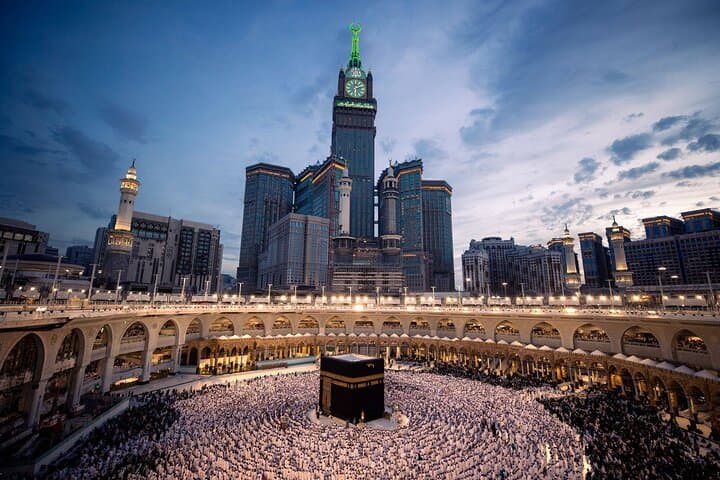
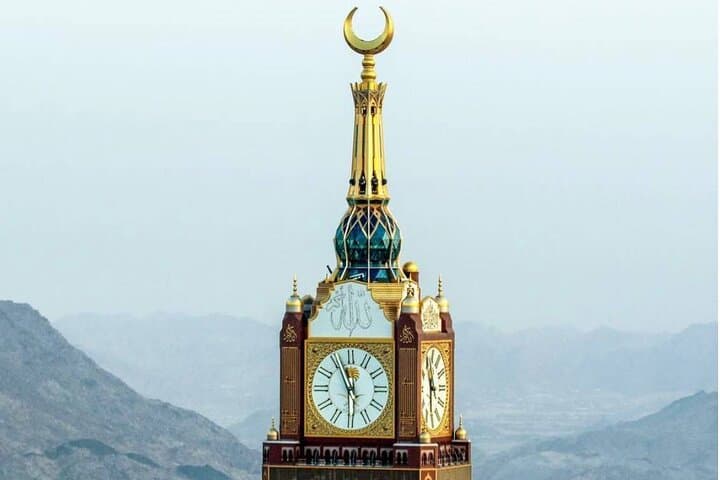
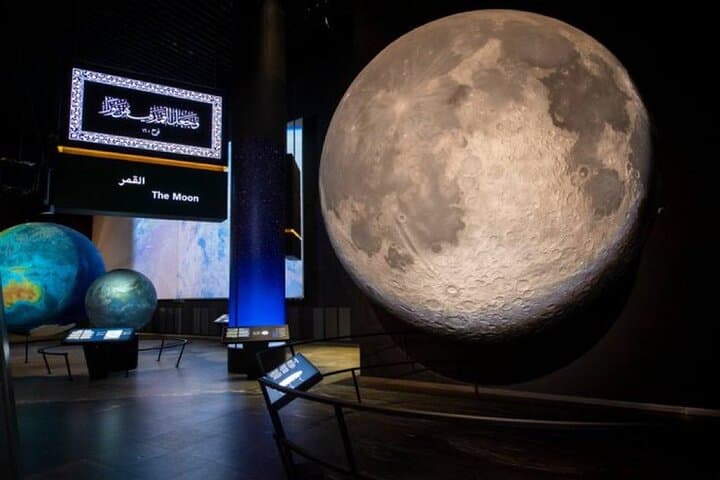
Perched 480 meters above Masjid al-Haram, the Clock Tower Museum pairs high-elevation perspective with hands-on exhibits about astronomy and timekeeping. Exhibits trace Makkah’s built environment from Ottoman minarets to the modern Abraj Al-Bait complex; mechanics of the world’s largest clock live alongside digital guides and telescopes trained on the Kaaba. The balcony, open late into the night, gives a rare urban vantage — the Kaaba framed beneath the tower’s four faces and the city lights pushing back the desert.
Historically, the tower is part of a larger redevelopment intended to modernize services for pilgrims; geologically the site sits on the Hijaz escarpment, where the city drops toward the valley floor. Culturally the museum is designed for Muslim visitors and functions as both educational facility and observatory for sacred orientation.
Practically: tickets come in Balcony-only (20 min), Clock Museum (45–60 min) or VIP (120 min). Entry follows security screening; large bags, food and drink are prohibited. Allow time to queue for elevators at peak prayer periods and Friday afternoons when public hours shift.
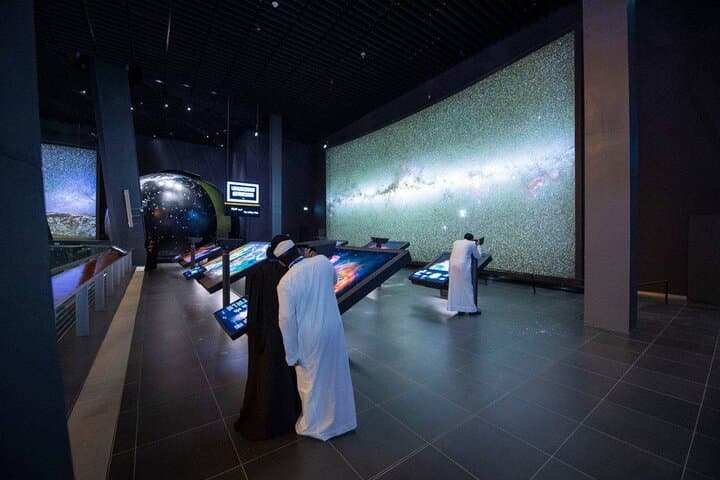
Visitors should bring ID, dress conservatively, and plan visits around prayer times for clearer views. The telescopes give close-up eyes on the Haram; staff and displays provide context for the clock’s engineering and the history of timekeeping in the Islamic world.
easy.
20–120 minutes.
Suitable for all fitness levels; requires ability to navigate elevators and short walks
No — the museum and viewing balcony are restricted to Muslim visitors only; staff may request identification during entry.
Plan 20 minutes for Balcony-only, 45–60 minutes for the Clock Museum, and up to 120 minutes for the VIP experience.
All sales are final; tickets are non-refundable according to the operator’s policy.
Yes — the museum reports wheelchair and stroller accessibility with elevators and accessible surfaces to the exhibition areas.
Part of the Abraj Al-Bait complex completed in the early 2010s, the Clock Tower is a modern landmark built to support millions of pilgrims visiting Masjid al-Haram.
High foot traffic requires careful management — visitors should follow signage, avoid littering, and respect restricted areas to protect the site and sacred spaces.
Seyaha operates guided outdoor trips and adventures with an emphasis on safety, stewardship, and memorable experiences.
You step out of the elevator on P9 and the city exhales: the air vibrates with call to prayer, traffic and pilgrimage, and through the museum's glass the Grand Mosque sits quiet and precise below.
You step out of the elevator on P9 and the city exhales: the air vibrates with call to prayer, traffic and pilgrimage, and through the museum's glass the Grand Mosque sits quiet and precise below.
Perched 480 meters above Masjid al-Haram, the Clock Tower Museum pairs high-elevation perspective with hands-on exhibits about astronomy and timekeeping. Exhibits trace Makkah’s built environment from Ottoman minarets to the modern Abraj Al-Bait complex; mechanics of the world’s largest clock live alongside digital guides and telescopes trained on the Kaaba. The balcony, open late into the night, gives a rare urban vantage — the Kaaba framed beneath the tower’s four faces and the city lights pushing back the desert.
Historically, the tower is part of a larger redevelopment intended to modernize services for pilgrims; geologically the site sits on the Hijaz escarpment, where the city drops toward the valley floor. Culturally the museum is designed for Muslim visitors and functions as both educational facility and observatory for sacred orientation.
Practically: tickets come in Balcony-only (20 min), Clock Museum (45–60 min) or VIP (120 min). Entry follows security screening; large bags, food and drink are prohibited. Allow time to queue for elevators at peak prayer periods and Friday afternoons when public hours shift.
Visitors should bring ID, dress conservatively, and plan visits around prayer times for clearer views. The telescopes give close-up eyes on the Haram; staff and displays provide context for the clock’s engineering and the history of timekeeping in the Islamic world.