THE ADVENTURE COLLECTIVE® · Independent discovery and booking for outdoor travel

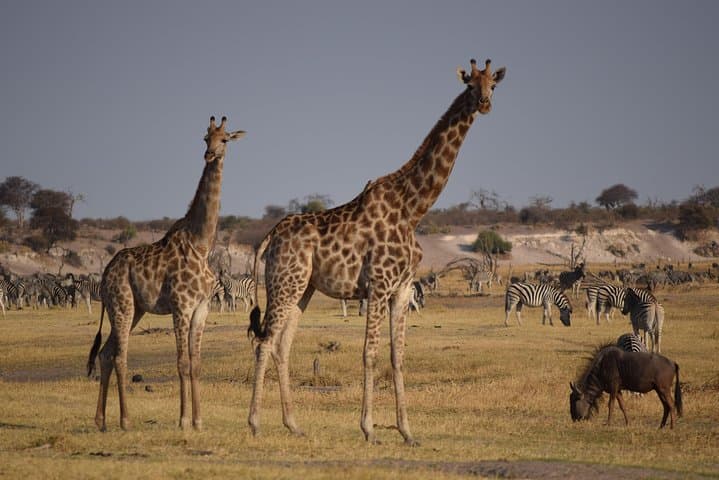
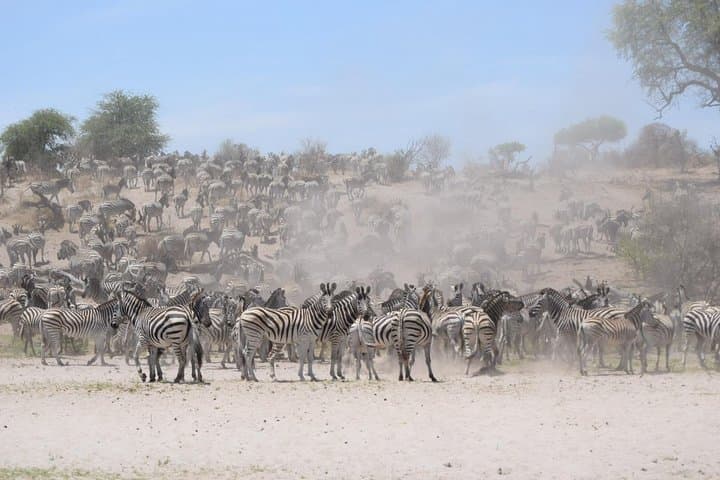
Traverse salt flats that turn to shallow lakes with the seasons and follow the zebra and wildebeest migration across Nxai Pan, Makgadikgadi and the Central Kalahari. This 7-night, 8-day mobile-camp safari combines game drives, remote camping and long-road transfers through Botswana’s open hinterland.
Traverse salt flats that turn to shallow lakes with the seasons and follow the zebra and wildebeest migration across Nxai Pan, Makgadikgadi and the Central Kalahari. This 7-night, 8-day mobile-camp safari combines game drives, remote camping and long-road transfers through Botswana’s open hinterland.
The salt pans flare white under a sky that seems to go on forever, heat lifting in slow waves and the spoor of zebra and wildebeest cutting thin lines across the crust. By dawn, the land changes: the pans accept seasonal floods, turning glass-flat surfaces into temporary lakes that dare the migration to return. Around you, the Kalahari’s thorn scrub and the Baines Baobab hold stories in their bones while guides tune the vehicle for another long, silent watch.
Verified experiences and guided adventures in the surrounding area.
Operated by Sky Adventure Tours & Safaris · Maun, North-West District
The salt pans flare white under a sky that seems to go on forever, heat lifting in slow waves and the spoor of zebra and wildebeest cutting thin lines across the crust. By dawn, the land changes: the pans accept seasonal floods, turning glass-flat surfaces into temporary lakes that dare the migration to return. Around you, the Kalahari’s thorn scrub and the Baines Baobab hold stories in their bones while guides tune the vehicle for another long, silent watch.
Geology here is blunt and ancient — vast playas left by evaporated Pleistocene lakes. Nxai Pan and Makgadikgadi are the stage for cyclical migrations and provide open visibility that makes predator-prey dynamics obvious from a distance. Human history layers on top: 19th-century explorers like Thomas Baines sketched the baobabs, and San communities have navigated these routes for millennia. Local camps operate with the practical economy of bush travel: canvas tents, solar power, and water-conscious logistics.
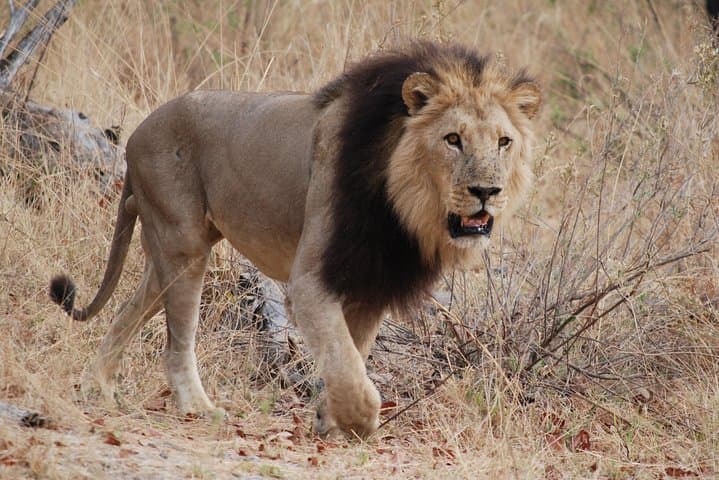
Practical guidance: this trip is a moving camp safari with daily game drives and long road transfers; expect early starts, dusty tracks, and nights that drop sharply in temperature. Pack sun protection, reliable layers for cold dawns, and spare batteries — charging is limited. Bring binoculars and a telephoto lens for wildlife; stay inside the vehicle for predators and follow your guide’s distance rules. Malaria risk exists in parts of Botswana — confirm prophylaxis and vaccinations with a travel clinic. Timing matters: the pans are most dramatic during and after seasonal floods when migration and flamingo concentrations peak; the dry season concentrates game around permanent water.
This is a safari of scale and rhythm: broad horizons that force patience, sudden animals-on-the-move, and campfires that mark the day’s end.
moderate.
7–8 days.
Suitable for travelers with basic fitness — able to board safari vehicles, manage short hikes, and endure long drives; not strenuous but requires mobility.
The migration and the most dramatic pan flooding typically occur in the wet and immediately post-wet months (roughly November–April), when seasonal rains refill the pans and attract grazers and birds.
Yes — this tour includes tented camping accommodations and meals listed in the itinerary (breakfasts, lunches and dinners as specified); water and some drinks are provided but special items are recommended to bring yourself.
Botswana has malaria risk in several areas; consult a travel clinic for up-to-date malaria prophylaxis and routine travel vaccinations well before departure.
This is a remote, overland safari with long road transfers and limited mobile coverage; expect intermittent or no signal in parts of the Central Kalahari and plan accordingly.
The pans are the remnant floors of ancient superlakes; 19th-century artists and explorers like Thomas Baines recorded the region’s distinctive baobabs and wildlife routes.
Conservation focuses on maintaining migratory corridors and responsible water use; visitors can help by limiting off-track driving, minimizing waste, and following guide rules to reduce disturbance.
Sky Adventure Tours & Safaris operates guided outdoor trips and adventures with an emphasis on safety, stewardship, and memorable experiences.
The salt pans flare white under a sky that seems to go on forever, heat lifting in slow waves and the spoor of zebra and wildebeest cutting thin lines across the crust. By dawn, the land changes: the pans accept seasonal floods, turning glass-flat surfaces into temporary lakes that dare the migration to return. Around you, the Kalahari’s thorn scrub and the Baines Baobab hold stories in their bones while guides tune the vehicle for another long, silent watch.
The salt pans flare white under a sky that seems to go on forever, heat lifting in slow waves and the spoor of zebra and wildebeest cutting thin lines across the crust. By dawn, the land changes: the pans accept seasonal floods, turning glass-flat surfaces into temporary lakes that dare the migration to return. Around you, the Kalahari’s thorn scrub and the Baines Baobab hold stories in their bones while guides tune the vehicle for another long, silent watch.
Geology here is blunt and ancient — vast playas left by evaporated Pleistocene lakes. Nxai Pan and Makgadikgadi are the stage for cyclical migrations and provide open visibility that makes predator-prey dynamics obvious from a distance. Human history layers on top: 19th-century explorers like Thomas Baines sketched the baobabs, and San communities have navigated these routes for millennia. Local camps operate with the practical economy of bush travel: canvas tents, solar power, and water-conscious logistics.
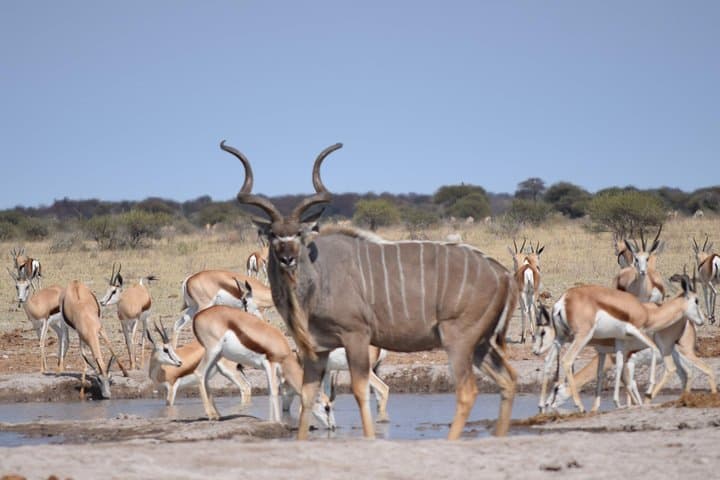
Practical guidance: this trip is a moving camp safari with daily game drives and long road transfers; expect early starts, dusty tracks, and nights that drop sharply in temperature. Pack sun protection, reliable layers for cold dawns, and spare batteries — charging is limited. Bring binoculars and a telephoto lens for wildlife; stay inside the vehicle for predators and follow your guide’s distance rules. Malaria risk exists in parts of Botswana — confirm prophylaxis and vaccinations with a travel clinic. Timing matters: the pans are most dramatic during and after seasonal floods when migration and flamingo concentrations peak; the dry season concentrates game around permanent water.
This is a safari of scale and rhythm: broad horizons that force patience, sudden animals-on-the-move, and campfires that mark the day’s end.