THE ADVENTURE COLLECTIVE® · Independent discovery and booking for outdoor travel

Carve your own mold and watch molten silver take shape in a small-group workshop on Canyon Road. This 2–3 hour hands-on class teaches cuttlebone casting — a traditional, beginner-friendly technique — and leaves you with a finished piece to wear.
Carve your own mold and watch molten silver take shape in a small-group workshop on Canyon Road. This 2–3 hour hands-on class teaches cuttlebone casting — a traditional, beginner-friendly technique — and leaves you with a finished piece to wear.
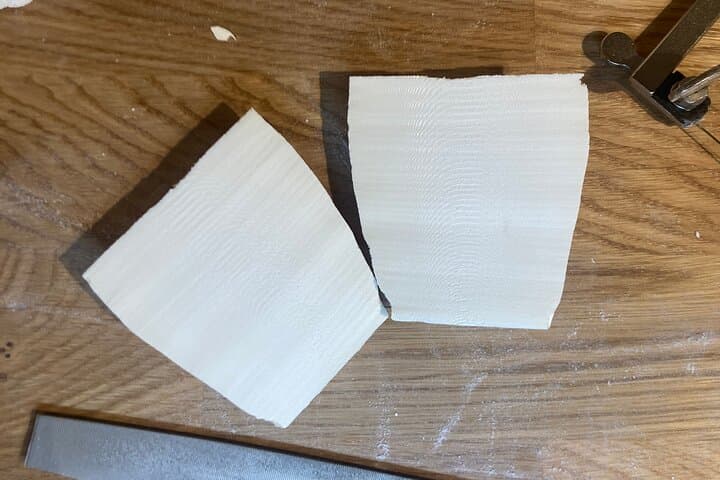
Stand on Canyon Road with the smell of hot metal in the air and a row of galleries humming behind you — that’s the setting for a hands-on cuttlebone silver casting workshop in Santa Fe. The studio’s windows frame the Sangre de Cristo range, and inside you trade postcard views for the tactile work of carving a mold from a cuttlefish bone and watching molten silver find its shape.
Verified experiences and guided adventures in the surrounding area.
Operated by Acequia Jewelry Workshop · Santa Fe, New Mexico
Stand on Canyon Road with the smell of hot metal in the air and a row of galleries humming behind you — that’s the setting for a hands-on cuttlebone silver casting workshop in Santa Fe. The studio’s windows frame the Sangre de Cristo range, and inside you trade postcard views for the tactile work of carving a mold from a cuttlefish bone and watching molten silver find its shape.
Cuttlebone casting is a folk technique with roots in Mediterranean and coastal craft traditions; here it meets Santa Fe’s long history of Spanish colonial silversmithing and Pueblo-adjacent art forms. The region’s high desert geology — pale volcanic flows and red soils beneath the mountain line — has long supported metalwork and handcrafted traditions, and Canyon Road’s Pueblo-Revival storefronts give a cultural backdrop that’s more museum than mall.
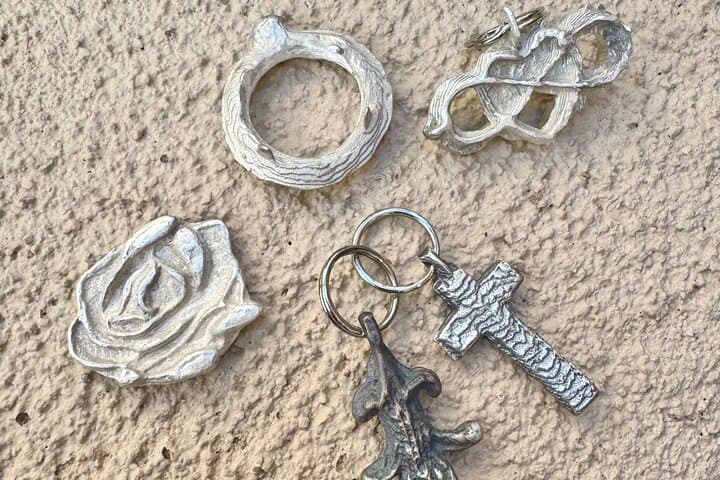
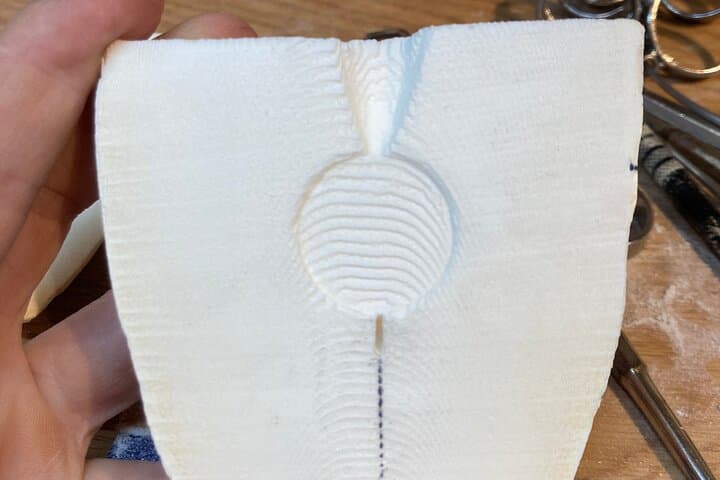
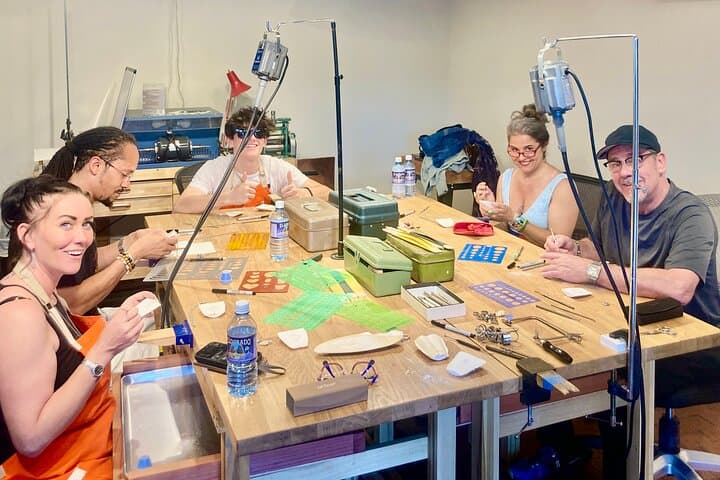
Expect a small-group, studio-based experience: instructors guide you through carving a mold, setting the casting, and finishing the polished pendant, ring, or talisman. The instructor performs the torch work; participants handle design, carving, and finishing under close supervision. Workshops run about two to three hours for most groups; bottled water is provided and the space is wheelchair accessible.
Practical note: wear closed-toe shoes and clothes you don’t mind staining, bring reading glasses if needed, and allow extra time when the class is full. If you’re planning a gallery crawl, pair the workshop with on-foot exploration of nearby small studios and the Santa Fe River trail. This is an approachable craft experience that leaves you with a wearable souvenir and a new, hands-on appreciation for metalwork.
easy.
2–3 hours.
Minimal physical effort required—able to stand or sit for short periods and perform light hand movements.
No—this workshop is designed for beginners; the instructor teaches each step and performs the torchwork for safety.
Yes—The studio is wheelchair accessible and surfaces are suitable for mobility devices; contact the operator ahead of time for specific needs.
Most classes include material for one finished piece; discuss options and possible extra material with the studio when booking.
For a full refund cancel at least 24 hours before the scheduled start time; check your booking confirmation for exact terms.
Cuttlebone casting is a centuries-old hand technique adapted here alongside Santa Fe’s Spanish colonial silversmithing traditions and the 20th-century Pueblo-Revival arts movement.
Small-scale metalworking generates limited waste, but studios emphasize safe handling of metals and proper ventilation; visitors should follow instructor safety guidance and local historic-district rules to minimize impact.
Acequia Jewelry Workshop operates guided outdoor trips and adventures with an emphasis on safety, stewardship, and memorable experiences.
Stand on Canyon Road with the smell of hot metal in the air and a row of galleries humming behind you — that’s the setting for a hands-on cuttlebone silver casting workshop in Santa Fe. The studio’s windows frame the Sangre de Cristo range, and inside you trade postcard views for the tactile work of carving a mold from a cuttlefish bone and watching molten silver find its shape.
Stand on Canyon Road with the smell of hot metal in the air and a row of galleries humming behind you — that’s the setting for a hands-on cuttlebone silver casting workshop in Santa Fe. The studio’s windows frame the Sangre de Cristo range, and inside you trade postcard views for the tactile work of carving a mold from a cuttlefish bone and watching molten silver find its shape.
Cuttlebone casting is a folk technique with roots in Mediterranean and coastal craft traditions; here it meets Santa Fe’s long history of Spanish colonial silversmithing and Pueblo-adjacent art forms. The region’s high desert geology — pale volcanic flows and red soils beneath the mountain line — has long supported metalwork and handcrafted traditions, and Canyon Road’s Pueblo-Revival storefronts give a cultural backdrop that’s more museum than mall.
Expect a small-group, studio-based experience: instructors guide you through carving a mold, setting the casting, and finishing the polished pendant, ring, or talisman. The instructor performs the torch work; participants handle design, carving, and finishing under close supervision. Workshops run about two to three hours for most groups; bottled water is provided and the space is wheelchair accessible.
Practical note: wear closed-toe shoes and clothes you don’t mind staining, bring reading glasses if needed, and allow extra time when the class is full. If you’re planning a gallery crawl, pair the workshop with on-foot exploration of nearby small studios and the Santa Fe River trail. This is an approachable craft experience that leaves you with a wearable souvenir and a new, hands-on appreciation for metalwork.