THE ADVENTURE COLLECTIVE® · Independent discovery and booking for outdoor travel

Learn to make tofu from scratch in Sa Pa with a local chef, from soybean selection to frying a simple tomato-tofu dish. This hands-on class combines food history, practical technique, and a shared meal in Vietnam's highlands.
Learn to make tofu from scratch in Sa Pa with a local chef, from soybean selection to frying a simple tomato-tofu dish. This hands-on class combines food history, practical technique, and a shared meal in Vietnam's highlands.
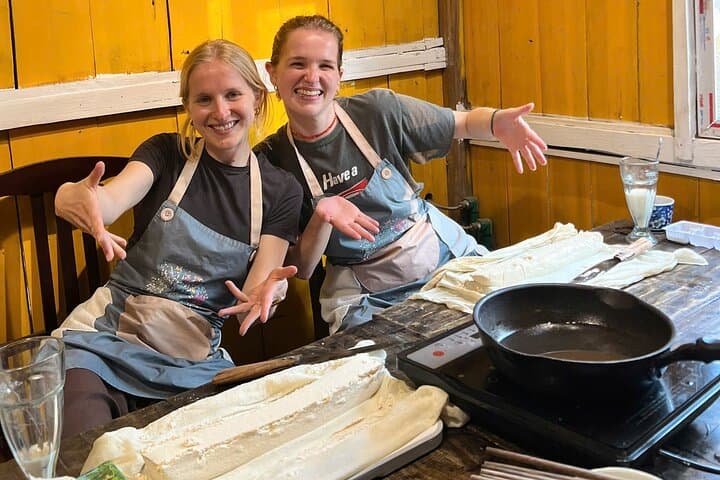
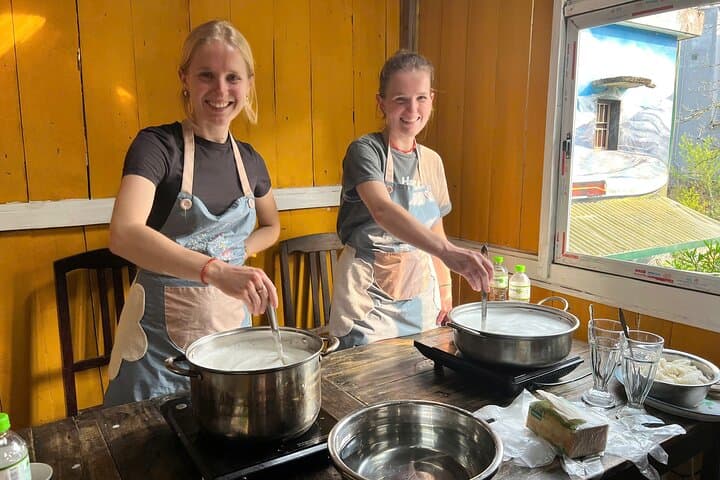
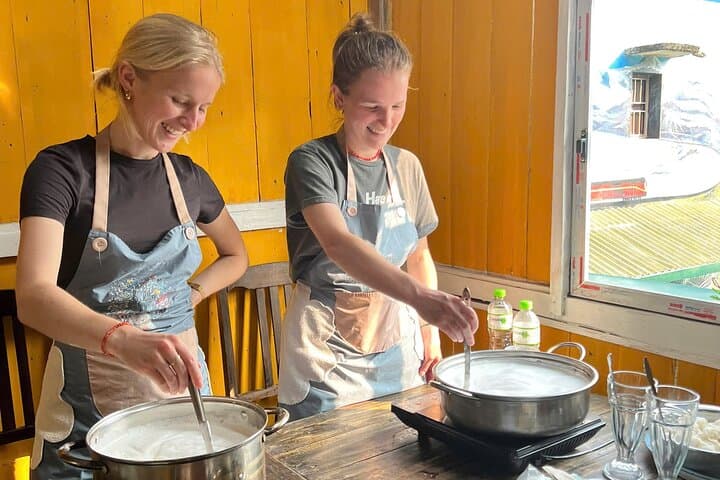
Steam rises from a low metal pot as the instructor lifts a cloth and reveals a smooth block of fresh tofu—the room smells faintly of soy and mountain air carried in from the open doorway. Participants gather around wooden tables, hands damp from rinsing soaked beans, learning the rhythm of grinding, cooking, and curdling that turns simple soy into a staple food.
Verified experiences and guided adventures in the surrounding area.
Operated by SAIGONESE TREKKING HOUSE · Sa Pa, Lao Cai
Steam rises from a low metal pot as the instructor lifts a cloth and reveals a smooth block of fresh tofu—the room smells faintly of soy and mountain air carried in from the open doorway. Participants gather around wooden tables, hands damp from rinsing soaked beans, learning the rhythm of grinding, cooking, and curdling that turns simple soy into a staple food.
Tofu has long been part of northern Vietnam's diet, adopted and adapted from broader East Asian traditions and shaped by local crops and tastes. In Sa Pa, a highland town framed by terraced rice and sharp limestone ridges, the class is as much cultural as culinary: instructors often share how soy became a reliable protein for ethnic minority communities and how resourceful preservation techniques evolved in cooler climates.
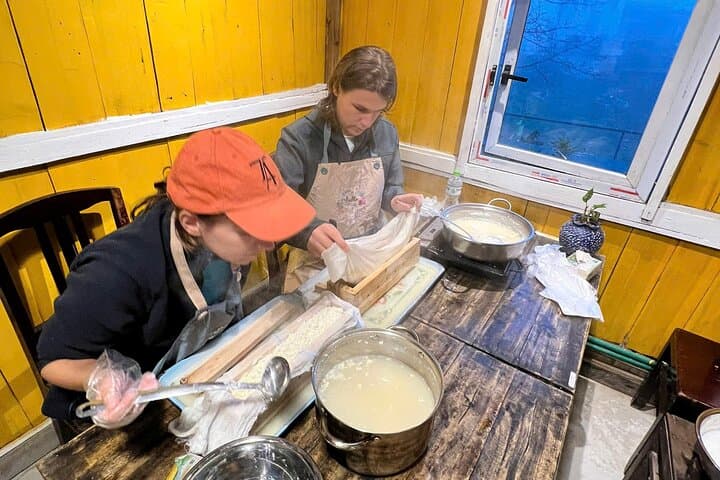
The session covers soybean selection, soaking, grinding, heating, and the precise moment of coagulation, with a hands-on transfer into molds and a short demonstration on turning tofu into a simple fried tomato dish. Expect questions about texture, coagulants, and how small changes affect firmness.
Practical notes: classes run roughly 2.5 hours, require standing and light manual work, and often include a finished meal and soy milk. Bring allergy information in advance, wear closed-toe shoes and comfortable clothes that can tolerate a little splash, and book ahead during high season in Sa Pa. Public transport reaches the town, but allow time for variable mountain weather. The experience suits travelers who want tangible skills, a deeper connection to local foodways, and a portable recipe to take home.
easy.
2–2.5 hours.
Light physical activity: standing, basic chopping, and stirring—no special fitness required but some mobility is needed.
Yes. The instructor guides each step from bean selection to pressing so no prior experience is required.
Inform the operator at booking; while the class centers on soy, instructors can advise on substitutions or note cross-contact risks.
The session typically includes soybeans, all cooking equipment, instruction, and a shared dinner with soy milk dessert.
Groups are usually small—often under 10—so there is hands-on time for each participant.
Tofu arrived in Vietnam centuries ago via broader East Asian culinary exchange; in northern highlands it became integrated into local diets as an affordable, protein-rich staple.
Sa Pa’s popularity stresses local resources—choose classes that source ingredients locally and support community-run businesses to reduce supply-chain impact.
SAIGONESE TREKKING HOUSE operates guided outdoor trips and adventures with an emphasis on safety, stewardship, and memorable experiences.
Steam rises from a low metal pot as the instructor lifts a cloth and reveals a smooth block of fresh tofu—the room smells faintly of soy and mountain air carried in from the open doorway. Participants gather around wooden tables, hands damp from rinsing soaked beans, learning the rhythm of grinding, cooking, and curdling that turns simple soy into a staple food.
Steam rises from a low metal pot as the instructor lifts a cloth and reveals a smooth block of fresh tofu—the room smells faintly of soy and mountain air carried in from the open doorway. Participants gather around wooden tables, hands damp from rinsing soaked beans, learning the rhythm of grinding, cooking, and curdling that turns simple soy into a staple food.
Tofu has long been part of northern Vietnam's diet, adopted and adapted from broader East Asian traditions and shaped by local crops and tastes. In Sa Pa, a highland town framed by terraced rice and sharp limestone ridges, the class is as much cultural as culinary: instructors often share how soy became a reliable protein for ethnic minority communities and how resourceful preservation techniques evolved in cooler climates.
The session covers soybean selection, soaking, grinding, heating, and the precise moment of coagulation, with a hands-on transfer into molds and a short demonstration on turning tofu into a simple fried tomato dish. Expect questions about texture, coagulants, and how small changes affect firmness.
Practical notes: classes run roughly 2.5 hours, require standing and light manual work, and often include a finished meal and soy milk. Bring allergy information in advance, wear closed-toe shoes and comfortable clothes that can tolerate a little splash, and book ahead during high season in Sa Pa. Public transport reaches the town, but allow time for variable mountain weather. The experience suits travelers who want tangible skills, a deeper connection to local foodways, and a portable recipe to take home.