THE ADVENTURE COLLECTIVE® · Independent discovery and booking for outdoor travel

Learn to make cocotea with a local chef on a terrace overlooking ocean and mountains. This hands-on 90-minute class mixes culinary technique with cultural context—and includes a take-home kit.
Learn to make cocotea with a local chef on a terrace overlooking ocean and mountains. This hands-on 90-minute class mixes culinary technique with cultural context—and includes a take-home kit.
The lesson begins on a breezy balcony where ocean air pushes against the rail and the Pitons watch like patient giants. Hands warm around a steaming mug, you feel the spice—nutmeg, bay, cocoa—unfurling as the chef explains how St. Lucian hot chocolate was once made over wood fires in family kitchens.
Verified experiences and guided adventures in the surrounding area.
Operated by Story Tours · Soufrière, Saint Lucia
The lesson begins on a breezy balcony where ocean air pushes against the rail and the Pitons watch like patient giants. Hands warm around a steaming mug, you feel the spice—nutmeg, bay, cocoa—unfurling as the chef explains how St. Lucian hot chocolate was once made over wood fires in family kitchens.
Cocotea has roots in Caribbean cocoa cultivation and Creole ingenuity: indigenous and West African techniques blended with European ingredients brought during colonial periods. Volcanic soils around Soufrière produce rich cocoa; that mineral weight in the beans shows up in the chocolate’s depth here.
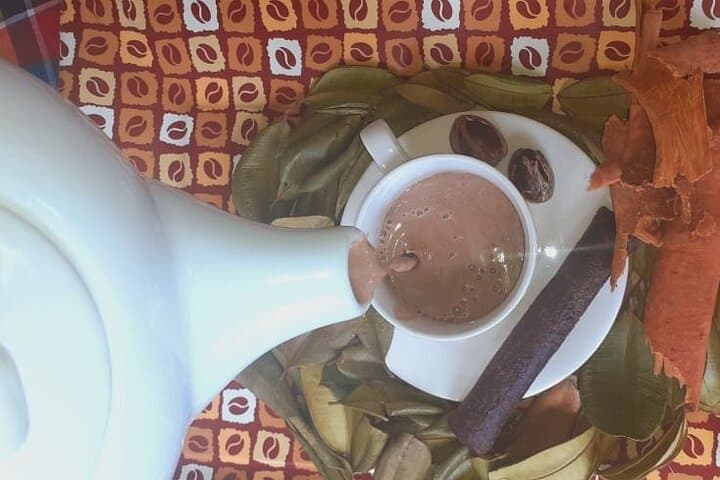
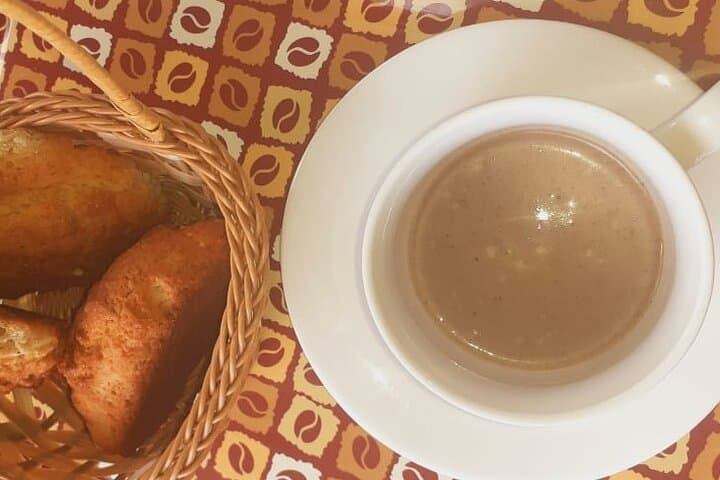
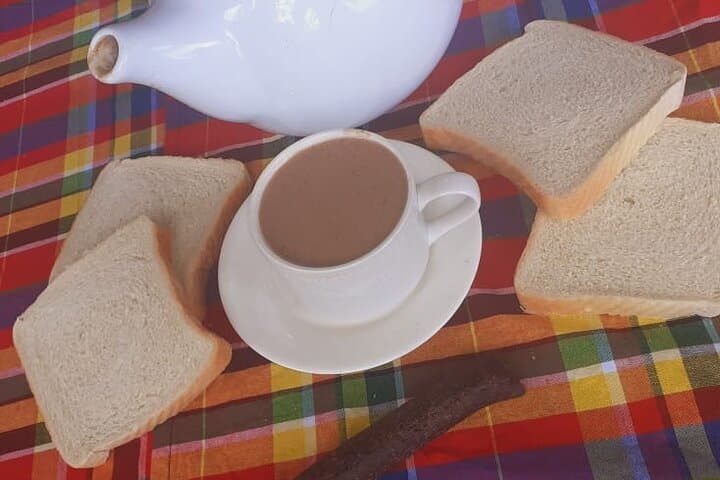
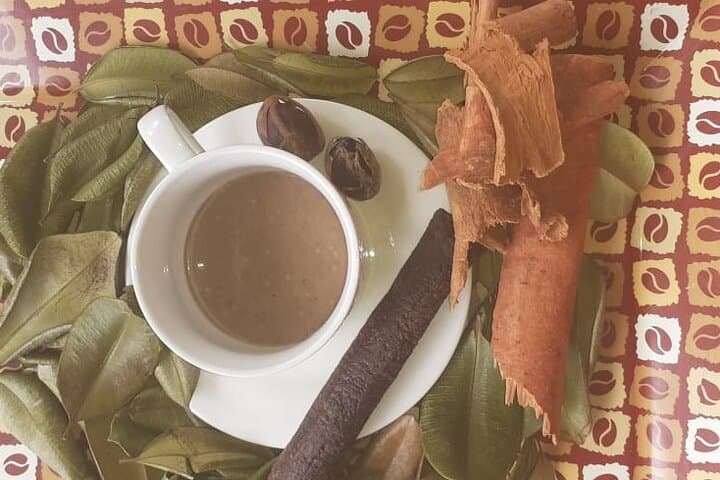
Chef Claudia guides a small group through making cocotea from a cocoa stick, simmering with whole spices, and finishing with local sugar and cream alternatives. The class includes cultural context—how cocotea moves from morning comfort to ceremony—and practical notes on sourcing local ingredients.
Expect hands-on stirring, tasting, and a take-home kit to recreate the recipe. The kitchen sits three levels down from the main terrace, so plan for stairs and modest mobility needs. The experience moves at a measured pace: educational but relaxed, with time for questions about substitutions, storage, and pairing with local pastries.
Practical tips: book morning or late-afternoon sessions to avoid midday heat, declare allergies in advance, and bring a tote for your kit. This is a cultural kitchen class more than a culinary bootcamp—accessible, sensory, and rooted in place, offering both a souvenir recipe and a clearer sense of St. Lucia’s food history.
easy.
1.5 hours (90 minutes).
Minimal physical fitness required; participants should be able to manage stairs and standing for short periods.
Families with teenagers are welcome; infants must sit on an adult’s lap and alcoholic elements require participants to be 18 or older.
Yes — each participant receives a complimentary DIY cocotea kit with ingredients and a recipe card to recreate the drink at home.
Yes — inform the host at booking and they will adapt ingredients and snacks where possible.
Classes are kept small (up to six) for hands-on attention and a personalized experience.
Cocoa cultivation in St. Lucia dates back to colonial plantations; local Creole cooks transformed imported techniques into the island’s distinct hot chocolate traditions.
Small-scale food tourism here supports local farmers; visitors are encouraged to buy local spices and minimize single-use plastics to reduce waste.
Story Tours operates guided outdoor trips and adventures with an emphasis on safety, stewardship, and memorable experiences.
The lesson begins on a breezy balcony where ocean air pushes against the rail and the Pitons watch like patient giants. Hands warm around a steaming mug, you feel the spice—nutmeg, bay, cocoa—unfurling as the chef explains how St. Lucian hot chocolate was once made over wood fires in family kitchens.
The lesson begins on a breezy balcony where ocean air pushes against the rail and the Pitons watch like patient giants. Hands warm around a steaming mug, you feel the spice—nutmeg, bay, cocoa—unfurling as the chef explains how St. Lucian hot chocolate was once made over wood fires in family kitchens.
Cocotea has roots in Caribbean cocoa cultivation and Creole ingenuity: indigenous and West African techniques blended with European ingredients brought during colonial periods. Volcanic soils around Soufrière produce rich cocoa; that mineral weight in the beans shows up in the chocolate’s depth here.
Chef Claudia guides a small group through making cocotea from a cocoa stick, simmering with whole spices, and finishing with local sugar and cream alternatives. The class includes cultural context—how cocotea moves from morning comfort to ceremony—and practical notes on sourcing local ingredients.
Expect hands-on stirring, tasting, and a take-home kit to recreate the recipe. The kitchen sits three levels down from the main terrace, so plan for stairs and modest mobility needs. The experience moves at a measured pace: educational but relaxed, with time for questions about substitutions, storage, and pairing with local pastries.
Practical tips: book morning or late-afternoon sessions to avoid midday heat, declare allergies in advance, and bring a tote for your kit. This is a cultural kitchen class more than a culinary bootcamp—accessible, sensory, and rooted in place, offering both a souvenir recipe and a clearer sense of St. Lucia’s food history.