THE ADVENTURE COLLECTIVE® · Independent discovery and booking for outdoor travel

Learn to temper, mold and taste single-origin chocolate in a 90‑minute hands-on class in Notting Hill. Walk away with three hand-wrapped bars, tasting notes, and practical skills you can repeat at home.
Learn to temper, mold and taste single-origin chocolate in a 90‑minute hands-on class in Notting Hill. Walk away with three hand-wrapped bars, tasting notes, and practical skills you can repeat at home.
You step through a narrow Notting Hill door and the city sound softens — warm cocoa aromas and the low clink of bowls replace traffic. Long counters hold tempered chocolate shining like river stone; behind them, chocolatiers move with practiced, efficient gestures, inviting you to try the same motion.
Verified experiences and guided adventures in the surrounding area.
Operated by Melt Chocolates Notting Hill · London, England
You step through a narrow Notting Hill door and the city sound softens — warm cocoa aromas and the low clink of bowls replace traffic. Long counters hold tempered chocolate shining like river stone; behind them, chocolatiers move with practiced, efficient gestures, inviting you to try the same motion.
The workshop is staged in a bright, accessible studio a short walk from Portobello Road. Historically, this corner of west London grew from Victorian terraces and immigrant communities into a lively market quarter; today its food scene blends that history with global flavors, and small operations like this one reflect that cultural mash-up.
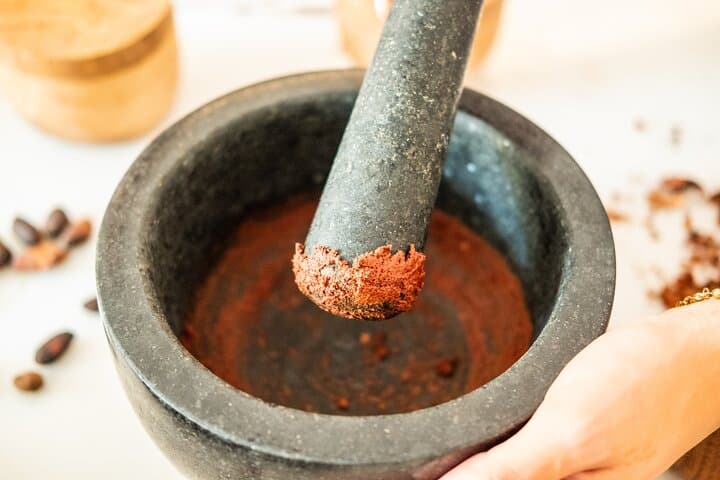
Geology and place enter the class in conversation: cacao begins as a tropical pod thousands of miles away, its flavors shaped by soil and sun, and here you trace those origins through single-origin tastings and percentage-led dark chocolates. Staff explain tempering chemistry in plain terms and the cultural rituals around chocolate — from drinking cacao in Mesoamerica to modern bean-to-bar craft.
Practically: the session runs 90 minutes, is wheelchair accessible, and finishes with three 45 g bars to take home. Expect hands-on shaping and some standing; wear closed-toe shoes and bring a small bag for your wrapped bars. Plan transport via the Tube (Notting Hill Gate or Ladbroke Grove) and aim for morning slots to avoid market crowds.
This isn’t a passive demo — it’s a short, tactile course in chocolate craft that teaches technique, tasting vocabulary, and a little food history, leaving you with edible proof of your work and a clearer palate for origin-driven chocolate.
easy.
1.5 hours.
Minimal fitness required—participants should be able to stand for the session and perform light hand-based tasks.
Children can join but check the minimum age policy when booking; infants must sit on an adult’s lap and the work involves hot chocolate and tools.
Yes — tools, linen apron and materials are provided and you take home three 45 g hand-wrapped chocolate bars.
Allergies should be declared at booking; the studio handles nuts and dairy, so they’ll advise whether the workshop can accommodate you safely.
Notting Hill Gate (Circle, District, Central lines) and Ladbroke Grove (Hammersmith & City) are the nearest stations; it’s a short walk from both.
Notting Hill evolved from 19th-century residential development into a market and cultural quarter; Portobello Road has hosted traders and immigrants whose cuisines shaped the area’s food scene.
The chocolate industry faces sustainability issues—ask about the studio’s sourcing and packaging choices and opt for workshops that favour single-origin, ethically traded cocoa and minimal waste.
Melt Chocolates Notting Hill operates guided outdoor trips and adventures with an emphasis on safety, stewardship, and memorable experiences.
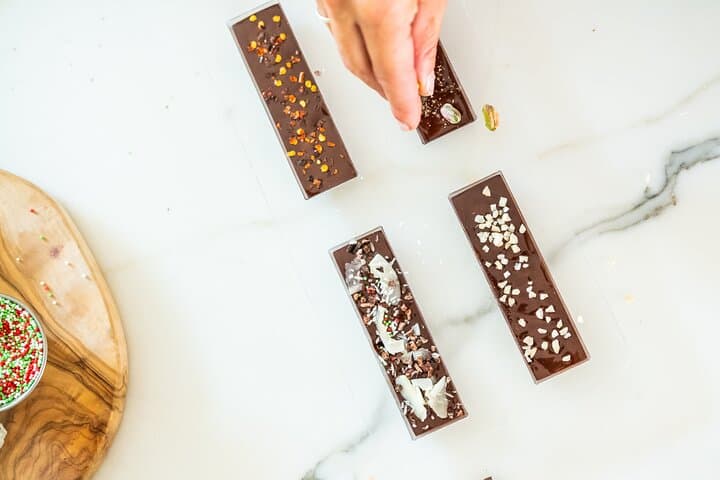
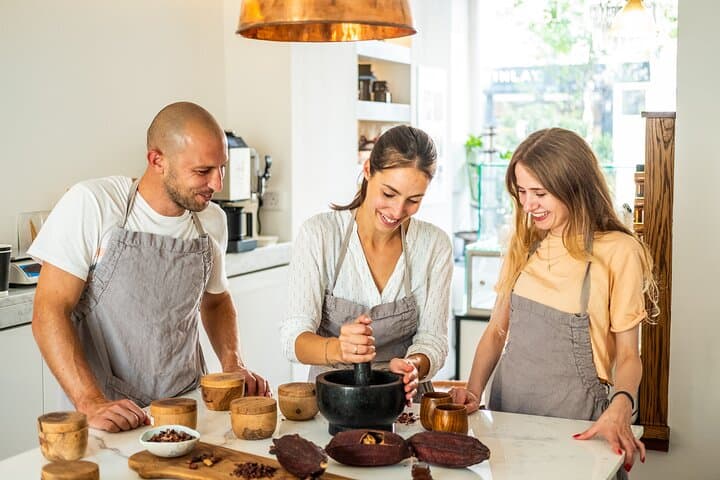
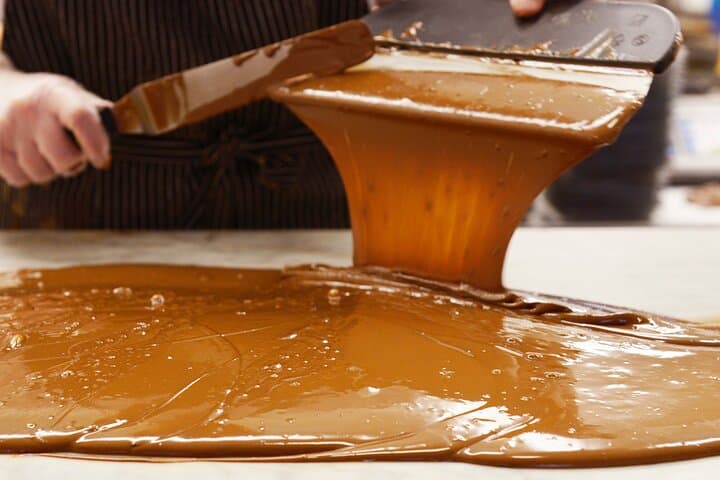
You step through a narrow Notting Hill door and the city sound softens — warm cocoa aromas and the low clink of bowls replace traffic. Long counters hold tempered chocolate shining like river stone; behind them, chocolatiers move with practiced, efficient gestures, inviting you to try the same motion.
You step through a narrow Notting Hill door and the city sound softens — warm cocoa aromas and the low clink of bowls replace traffic. Long counters hold tempered chocolate shining like river stone; behind them, chocolatiers move with practiced, efficient gestures, inviting you to try the same motion.
The workshop is staged in a bright, accessible studio a short walk from Portobello Road. Historically, this corner of west London grew from Victorian terraces and immigrant communities into a lively market quarter; today its food scene blends that history with global flavors, and small operations like this one reflect that cultural mash-up.
Geology and place enter the class in conversation: cacao begins as a tropical pod thousands of miles away, its flavors shaped by soil and sun, and here you trace those origins through single-origin tastings and percentage-led dark chocolates. Staff explain tempering chemistry in plain terms and the cultural rituals around chocolate — from drinking cacao in Mesoamerica to modern bean-to-bar craft.
Practically: the session runs 90 minutes, is wheelchair accessible, and finishes with three 45 g bars to take home. Expect hands-on shaping and some standing; wear closed-toe shoes and bring a small bag for your wrapped bars. Plan transport via the Tube (Notting Hill Gate or Ladbroke Grove) and aim for morning slots to avoid market crowds.
This isn’t a passive demo — it’s a short, tactile course in chocolate craft that teaches technique, tasting vocabulary, and a little food history, leaving you with edible proof of your work and a clearer palate for origin-driven chocolate.