THE ADVENTURE COLLECTIVE® · Independent discovery and booking for outdoor travel

Spend a few hours with Khmer artisans blending native scents into a hand-poured candle. This guided workshop mixes cultural context, a tour of the studio and hands-on instruction to create a travel-ready souvenir.
Spend a few hours with Khmer artisans blending native scents into a hand-poured candle. This guided workshop mixes cultural context, a tour of the studio and hands-on instruction to create a travel-ready souvenir.
You sit at a wide wooden bench as warm wax cools into a vessel you chose minutes earlier; the workshop smells of lemongrass, jasmine, and the faint smoke of wood-fired stoves. Light filters through high windows while an artisan guides your hand—measuring wax, blending essential oils, and explaining the scents that have perfumed Cambodian homes for generations.
Verified experiences and guided adventures in the surrounding area.
Operated by Senteurs d'Angkor · Siem Reap, Siem Reap
You sit at a wide wooden bench as warm wax cools into a vessel you chose minutes earlier; the workshop smells of lemongrass, jasmine, and the faint smoke of wood-fired stoves. Light filters through high windows while an artisan guides your hand—measuring wax, blending essential oils, and explaining the scents that have perfumed Cambodian homes for generations.
Senteurs d'Angkor and similar Siem Reap studios grew from long-standing traditions of using native botanicals in food, medicine and ritual. Cambodia’s lowland plains and Tonlé Sap wetlands supply fragrant ingredients—lime, galangal, cassia—that perfumers and candle-makers adapt into modern products. The craft sits at the intersection of Khmer cultural heritage and small-scale entrepreneurship, where artisans pass techniques by demonstration rather than text.
Expect a relaxed, hands-on session (roughly 2–3 hours) that begins with a short tour of workspaces—spices, oils and molds—followed by guided candle assembly. Materials typically include paraffin, beeswax and a selection of essential and scented oils; staff will advise on burn times, safety and travel packing. Tea or coffee is usually offered, and the venue is wheelchair accessible.
Practical guidance: arrive 10–15 minutes early, wear clothes you don’t mind a bit of wax on, and bring a small carry bag for finished candles. If you plan to fly home with your creations, pack them carefully in your checked luggage and declare liquids if required. The experience suits all skill levels and makes a tactile souvenir that keeps a memory of Cambodia’s scents alive long after you leave.
easy.
2–3 hours.
Suitable for all fitness levels; requires seated work and light standing
The full experience runs about 2–3 hours, including a short tour of the workshop and 1–1.5 hours of hands-on candle making.
Yes, solid candles are usually allowed in carry-on or checked baggage, but scented oils and liquid components may be subject to airline liquid rules—pack finished solid candles in checked luggage if concerned.
Children can join, but workshops often recommend parental supervision for ingredients and hot wax; check age recommendations when booking.
Yes—the venue notes wheelchair accessibility and accessible transportation options; confirm any specific assistance needs when booking.
Local perfumery draws on Khmer use of native plants in temple offerings and traditional medicine; modern workshops adapt those scents for contemporary products.
Opt for beeswax and plant-based oils when available—paraffin is petroleum-derived; supporting small artisan studios helps sustain local livelihoods and labor-intensive craft traditions.
Senteurs d'Angkor operates guided outdoor trips and adventures with an emphasis on safety, stewardship, and memorable experiences.
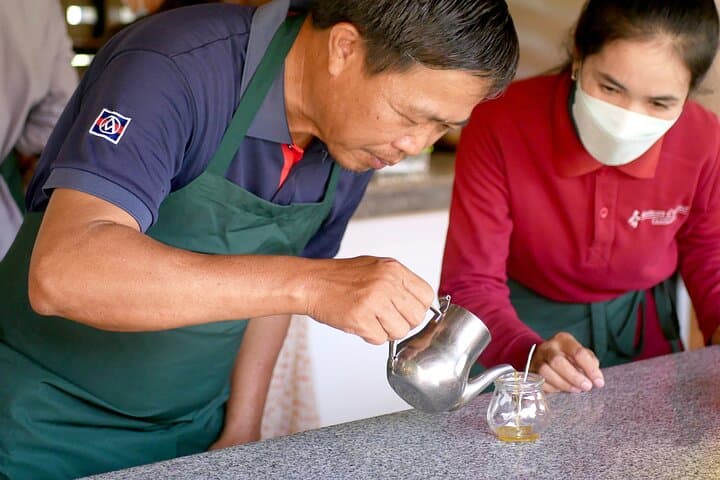
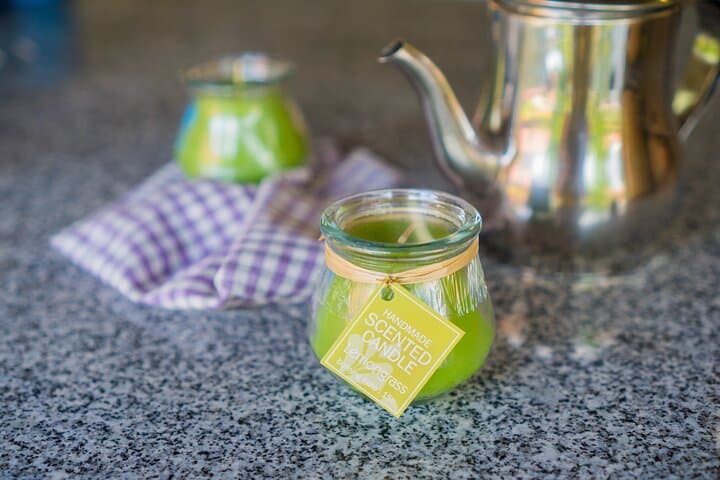

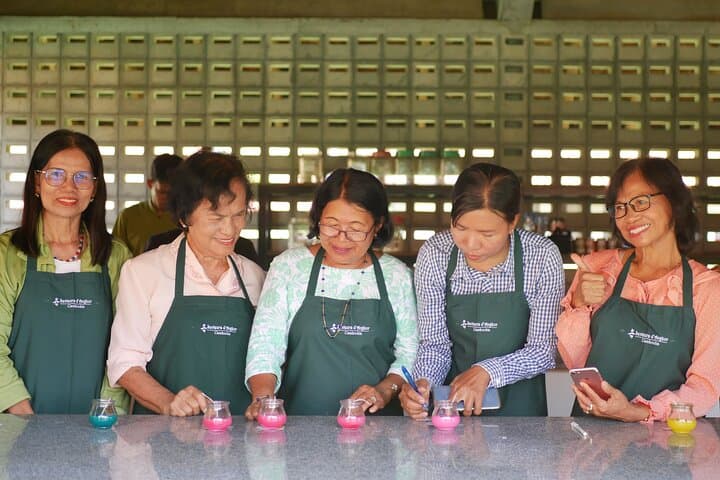
You sit at a wide wooden bench as warm wax cools into a vessel you chose minutes earlier; the workshop smells of lemongrass, jasmine, and the faint smoke of wood-fired stoves. Light filters through high windows while an artisan guides your hand—measuring wax, blending essential oils, and explaining the scents that have perfumed Cambodian homes for generations.
You sit at a wide wooden bench as warm wax cools into a vessel you chose minutes earlier; the workshop smells of lemongrass, jasmine, and the faint smoke of wood-fired stoves. Light filters through high windows while an artisan guides your hand—measuring wax, blending essential oils, and explaining the scents that have perfumed Cambodian homes for generations.
Senteurs d'Angkor and similar Siem Reap studios grew from long-standing traditions of using native botanicals in food, medicine and ritual. Cambodia’s lowland plains and Tonlé Sap wetlands supply fragrant ingredients—lime, galangal, cassia—that perfumers and candle-makers adapt into modern products. The craft sits at the intersection of Khmer cultural heritage and small-scale entrepreneurship, where artisans pass techniques by demonstration rather than text.
Expect a relaxed, hands-on session (roughly 2–3 hours) that begins with a short tour of workspaces—spices, oils and molds—followed by guided candle assembly. Materials typically include paraffin, beeswax and a selection of essential and scented oils; staff will advise on burn times, safety and travel packing. Tea or coffee is usually offered, and the venue is wheelchair accessible.
Practical guidance: arrive 10–15 minutes early, wear clothes you don’t mind a bit of wax on, and bring a small carry bag for finished candles. If you plan to fly home with your creations, pack them carefully in your checked luggage and declare liquids if required. The experience suits all skill levels and makes a tactile souvenir that keeps a memory of Cambodia’s scents alive long after you leave.