THE ADVENTURE COLLECTIVE® · Independent discovery and booking for outdoor travel

Spend 90 minutes in a Cape Town voorkamer learning to cut, season and cure biltong while hearing the origins of Afrikaans and tasting moerkoffie and karringmelkbeskuit. This hands-on workshop mixes practical technique with cultural storytelling.
Spend 90 minutes in a Cape Town voorkamer learning to cut, season and cure biltong while hearing the origins of Afrikaans and tasting moerkoffie and karringmelkbeskuit. This hands-on workshop mixes practical technique with cultural storytelling.
Step inside a warm voorkamer in Cape Town where the scent of cured spice and strong "moerkoffie" curl through low ceilings and folk songs hum from an old radio.
Verified experiences and guided adventures in the surrounding area.
Operated by Soutie's Biltong Making Experience · Cape Town, Western Cape
Step inside a warm voorkamer in Cape Town where the scent of cured spice and strong "moerkoffie" curl through low ceilings and folk songs hum from an old radio.
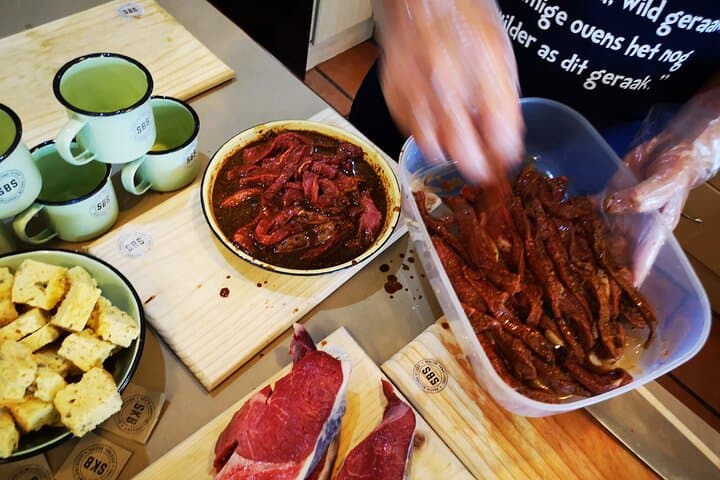
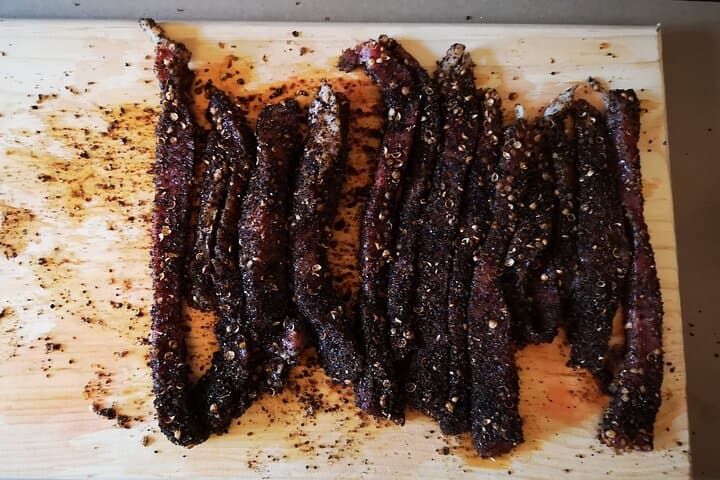
This hands-on biltong workshop pairs practical foodcraft with plainspoken stories: how Khoisan hunters first dried meat, how settlers adapted techniques during the Great Trek, and how Afrikaans evolved on these shores. Table Mountain’s sandstone shoulders and the city’s coastal climate shape local foodways—drying meat here is as much about weather as it is about spice. The host mixes Boeremusiek, family anecdotes and a few Afrikaans expressions while you learn to select cuts, slice, season and cure biltong (and try a vegan alternative).
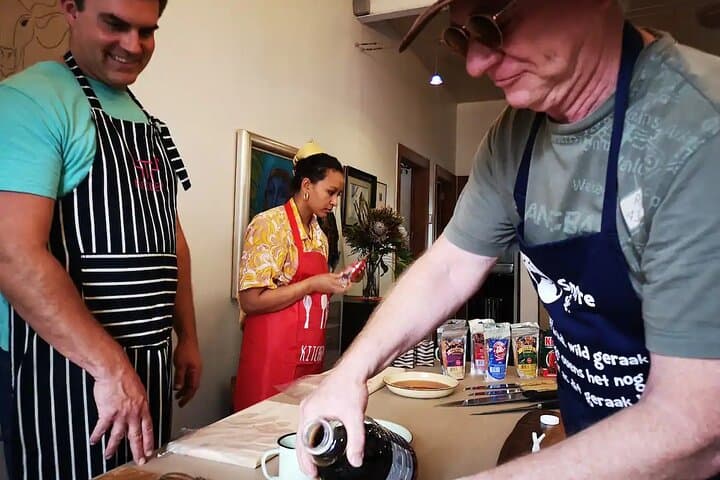
Expect a relaxed 90-minute demo where knives and aprons are provided, coffee and karringmelkbeskuit are served, and guests take home sample biltong sticks. The workshop riffs between practical technique—salt ratios, airflow, and storage—and cultural context: Cape Town’s layered history of indigenous, Dutch, English and Malay influences.
Practical guidance: wear closed-toe shoes, arrive hungry and ready to handle small tools. The space is stroller-accessible and near public transport. If you want to buy extra snacks or souvenirs, bring cash or card. The experience is low-impact physically but high on sensory detail—taste, texture and storytelling. It’s a short, social way to learn a foundational South African skill while gaining concrete tips you can replicate at home.
easy.
1–1.5 hours.
Low physical demand; suitable for most adults and older children able to handle short standing periods
Yes—organizers prepare a plant-based biltong alternative and include it in the tasting so vegans can participate fully.
Yes—guests receive sample sticks to take home and can purchase more snacks and mementoes at the end.
The workshop is stroller-accessible and suitable for older children under supervision, but there are sharp tools and hot equipment, so close adult supervision is required.
For a full refund cancel at least 24 hours before the scheduled time; cancellations within 24 hours are not refundable.
Biltong traces to indigenous Khoisan drying techniques that settlers later adapted; Afrikaans developed locally from Dutch, Malay, Portuguese and African language contacts in the Cape.
Choose vendors who source meat sustainably and be mindful of packaging—small food workshops can reduce waste by offering minimal single-use plastics.
Soutie's Biltong Making Experience operates guided outdoor trips and adventures with an emphasis on safety, stewardship, and memorable experiences.

Step inside a warm voorkamer in Cape Town where the scent of cured spice and strong "moerkoffie" curl through low ceilings and folk songs hum from an old radio.
Step inside a warm voorkamer in Cape Town where the scent of cured spice and strong "moerkoffie" curl through low ceilings and folk songs hum from an old radio.
This hands-on biltong workshop pairs practical foodcraft with plainspoken stories: how Khoisan hunters first dried meat, how settlers adapted techniques during the Great Trek, and how Afrikaans evolved on these shores. Table Mountain’s sandstone shoulders and the city’s coastal climate shape local foodways—drying meat here is as much about weather as it is about spice. The host mixes Boeremusiek, family anecdotes and a few Afrikaans expressions while you learn to select cuts, slice, season and cure biltong (and try a vegan alternative).
Expect a relaxed 90-minute demo where knives and aprons are provided, coffee and karringmelkbeskuit are served, and guests take home sample biltong sticks. The workshop riffs between practical technique—salt ratios, airflow, and storage—and cultural context: Cape Town’s layered history of indigenous, Dutch, English and Malay influences.
Practical guidance: wear closed-toe shoes, arrive hungry and ready to handle small tools. The space is stroller-accessible and near public transport. If you want to buy extra snacks or souvenirs, bring cash or card. The experience is low-impact physically but high on sensory detail—taste, texture and storytelling. It’s a short, social way to learn a foundational South African skill while gaining concrete tips you can replicate at home.