THE ADVENTURE COLLECTIVE® · Independent discovery and booking for outdoor travel

Learn to stitch a pair of traditional espadrilles with master artisans in Old San Juan. This two-hour workshop mixes practical shoemaking skills with a short lesson in the footwear's Spanish roots and Caribbean context.
Learn to stitch a pair of traditional espadrilles with master artisans in Old San Juan. This two-hour workshop mixes practical shoemaking skills with a short lesson in the footwear's Spanish roots and Caribbean context.
You step off the humid street of Old San Juan and into a cool workshop where the scent of cotton and jute replaces salt air. Light filters through high windows onto benches laid with soles, braided rope and spools of colourful canvas — an everyday factory floor turned classroom. The city outside hums with traffic and the ocean dares you to keep its afternoon brightness; inside, stitches slow time.
Verified experiences and guided adventures in the surrounding area.
Operated by Handmade The Brand® · San Juan, Puerto Rico
You step off the humid street of Old San Juan and into a cool workshop where the scent of cotton and jute replaces salt air. Light filters through high windows onto benches laid with soles, braided rope and spools of colourful canvas — an everyday factory floor turned classroom. The city outside hums with traffic and the ocean dares you to keep its afternoon brightness; inside, stitches slow time.
The espadrille began as a peasant shoe in the Pyrenees and spread across Spanish-speaking ports; here in San Juan the craft arrives as a cultural footnote turned contemporary souvenir. The classroom rhythm is methodical: selecting a sole, choosing fabric, learning traditional whipstitching and lacing techniques handed down by master artisans. Materials — jute soles and canvas uppers — reveal a simple geology of plant fiber and human craft rather than manufactured polish.
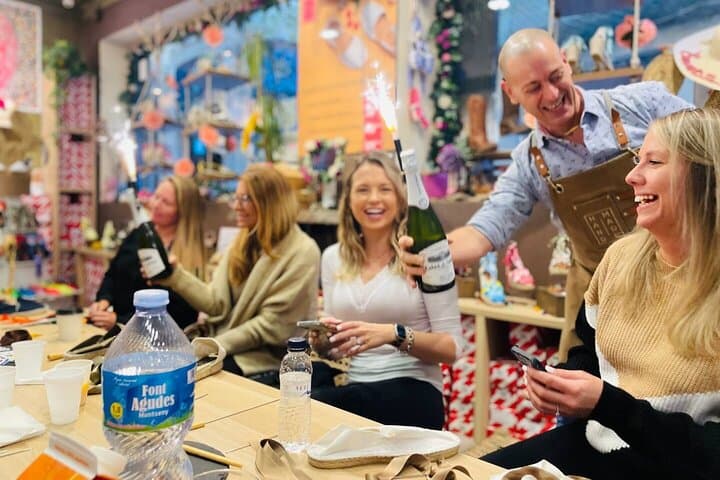
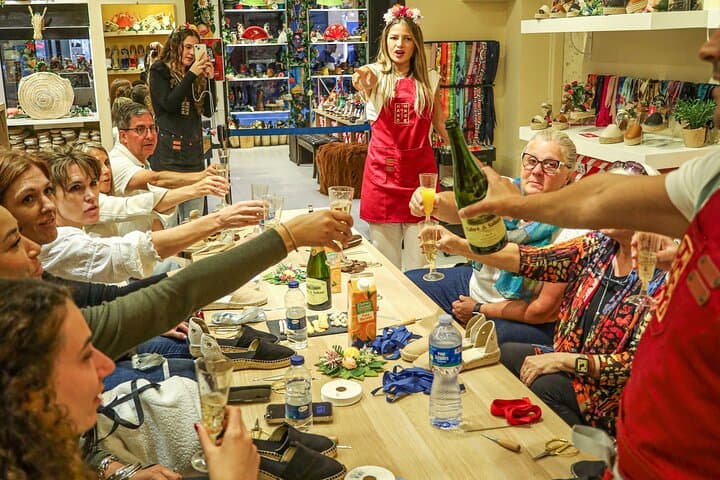
Beyond the bench there's history in the streets: colonial plazas, military forts and a layered island culture that folds Taíno, Spanish and Caribbean influences into daily life. Expect practical instruction, hands-on time (about an hour of stitching), and a celebratory finish with local snacks and a glass of bubbly.
Plan for attentive fingerwork more than strength: bring steady hands, comfortable shoes for walking the cobbles afterward, and a camera for the finished pair. The experience suits curious travelers who want a wearable memory and a short, focused dive into a living handcraft in one of the most walkable historic districts in the Caribbean.
easy.
2 hours.
No special fitness required; participants should be able to sit and use hands for an hour of focused stitching.
Yes—children can participate but organizers may set a minimum age for safety and the fine-motor nature of the work; check when booking.
Yes—participants leave with a wearable pair; they are handmade and durable but follow care instructions to prolong life (avoid heavy rain and machine washing).
The workshop notes wheelchair accessibility; notify the operator of any needs when booking to ensure accommodations are ready.
Yes—guests pick sole size, fabric, stitching style and laces from many combinations before starting the build.
Espadrilles trace to the Pyrenees and were popularized across Spanish ports; in Puerto Rico they appear as part of the island’s layered colonial and trade history, now reinterpreted by local artisans.
Small workshops tend to use natural fibers like jute and canvas which biodegrade more readily than synthetics; bring a reusable bag and follow care guidance to reduce waste.
Handmade The Brand® operates guided outdoor trips and adventures with an emphasis on safety, stewardship, and memorable experiences.
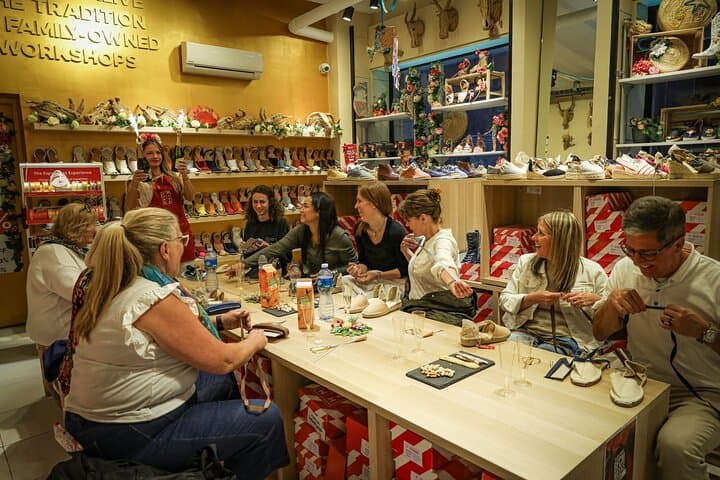
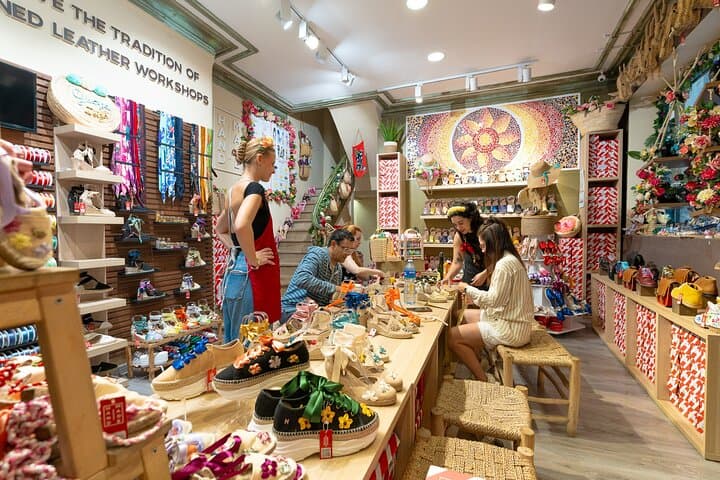
You step off the humid street of Old San Juan and into a cool workshop where the scent of cotton and jute replaces salt air. Light filters through high windows onto benches laid with soles, braided rope and spools of colourful canvas — an everyday factory floor turned classroom. The city outside hums with traffic and the ocean dares you to keep its afternoon brightness; inside, stitches slow time.
You step off the humid street of Old San Juan and into a cool workshop where the scent of cotton and jute replaces salt air. Light filters through high windows onto benches laid with soles, braided rope and spools of colourful canvas — an everyday factory floor turned classroom. The city outside hums with traffic and the ocean dares you to keep its afternoon brightness; inside, stitches slow time.
The espadrille began as a peasant shoe in the Pyrenees and spread across Spanish-speaking ports; here in San Juan the craft arrives as a cultural footnote turned contemporary souvenir. The classroom rhythm is methodical: selecting a sole, choosing fabric, learning traditional whipstitching and lacing techniques handed down by master artisans. Materials — jute soles and canvas uppers — reveal a simple geology of plant fiber and human craft rather than manufactured polish.
Beyond the bench there's history in the streets: colonial plazas, military forts and a layered island culture that folds Taíno, Spanish and Caribbean influences into daily life. Expect practical instruction, hands-on time (about an hour of stitching), and a celebratory finish with local snacks and a glass of bubbly.
Plan for attentive fingerwork more than strength: bring steady hands, comfortable shoes for walking the cobbles afterward, and a camera for the finished pair. The experience suits curious travelers who want a wearable memory and a short, focused dive into a living handcraft in one of the most walkable historic districts in the Caribbean.