THE ADVENTURE COLLECTIVE® · Independent discovery and booking for outdoor travel

Spend two hours in a Hongdae studio learning traditional Korean stab-binding using Hanji paper and silk covers. This hands-on class combines history, craft technique, and a take-home notebook finished with a traditional norigae knot.
Spend two hours in a Hongdae studio learning traditional Korean stab-binding using Hanji paper and silk covers. This hands-on class combines history, craft technique, and a take-home notebook finished with a traditional norigae knot.
Step into a compact Hongdae studio where sunlight skims textured paper and a quiet chorus of scissors and thread guides the workbench. The instructor lays out 22 silk covers—colors and patterns lined up like small flags—while the smell of paste and fresh Hanji feels almost ceremonial. You choose silk, thread, and a norigae knot; the materials invite you to build an object that will outlast most souvenirs.
Verified experiences and guided adventures in the surrounding area.
Operated by Danchoodan · Seoul, Seoul
Step into a compact Hongdae studio where sunlight skims textured paper and a quiet chorus of scissors and thread guides the workbench. The instructor lays out 22 silk covers—colors and patterns lined up like small flags—while the smell of paste and fresh Hanji feels almost ceremonial. You choose silk, thread, and a norigae knot; the materials invite you to build an object that will outlast most souvenirs.
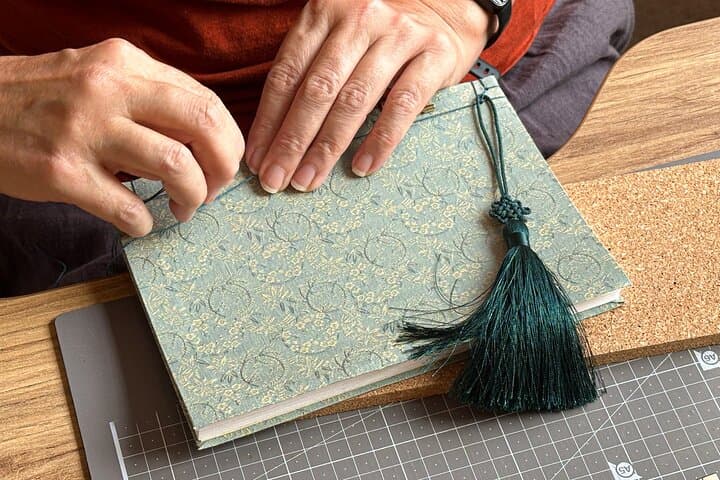
Hanji is more than pretty paper: it’s the handmade mulberry paper behind the Joseon Annals and is recognized for its archival quality. The class blends technique and context—students learn traditional stab-binding, the role of silk covers in Korean book arts, and why Hanji’s fibers give the pages tensile life. The session moves through selecting materials, folding and cutting pages, binding with thread, and adding a decorative norigae knot before gift-ready packing.
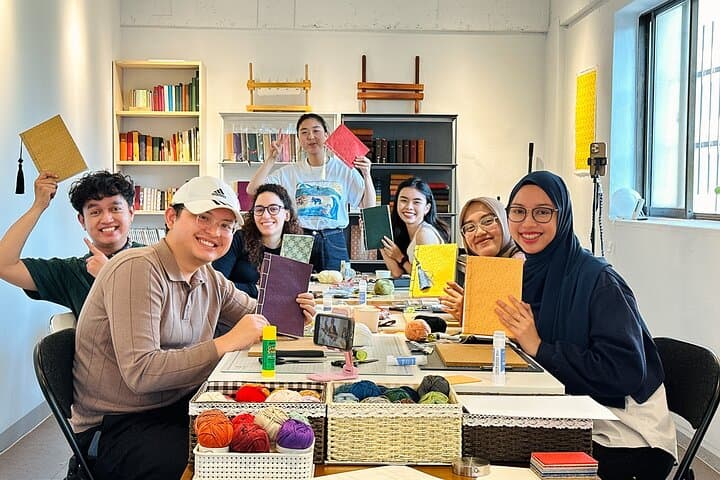
Practical details are straightforward. The two-hour workshop accepts up to a dozen people, includes tools and materials, and is open to participants 17 and older. The studio sits in a bustling neighborhood best reached by subway; there’s no elevator to the studio, so plan accordingly. Expect hands-on work requiring fine motor control more than strength—bring an extra layer if you’re sensitive to air conditioning, and allow time to explore Hongdae’s cafés and craft markets after class.
For travelers seeking cultural craft with low physical demand, this class delivers a tactile connection to Korean material history and a durable keepsake you can use every day.
easy.
2 hours.
No special fitness required—activity depends on patience and fine motor control rather than strength.
Yes—Hanji paper, silk covers, threads, norigae ornaments and all binding tools are supplied.
Yes—participants must be 17 years or older to join this workshop.
The building has no elevator to the studio level; contact the operator ahead of time to discuss accommodations.
Yes—your completed notebook is packed and ready to take home when the class ends.
Hanji has been produced from mulberry fiber for centuries and was used for official records during the Joseon dynasty; its durability made it central to Korea’s archival history.
Traditional Hanji production uses renewable mulberry bark and low-impact techniques; the studio emphasizes minimal waste and encourages visitors to use public transit to reduce impact.
Danchoodan operates guided outdoor trips and adventures with an emphasis on safety, stewardship, and memorable experiences.
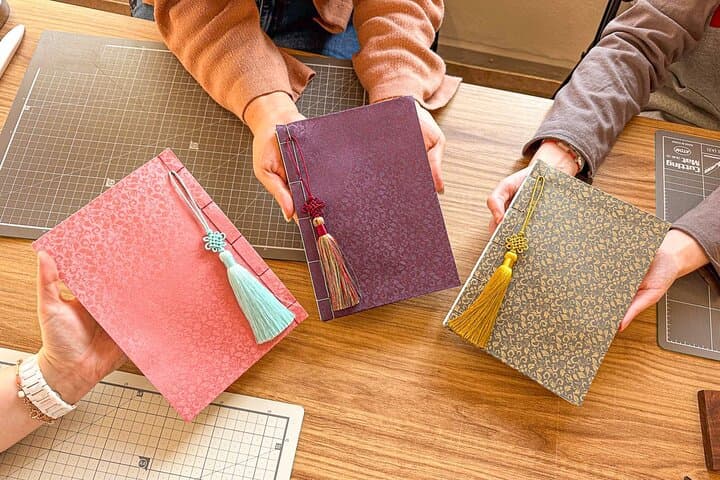
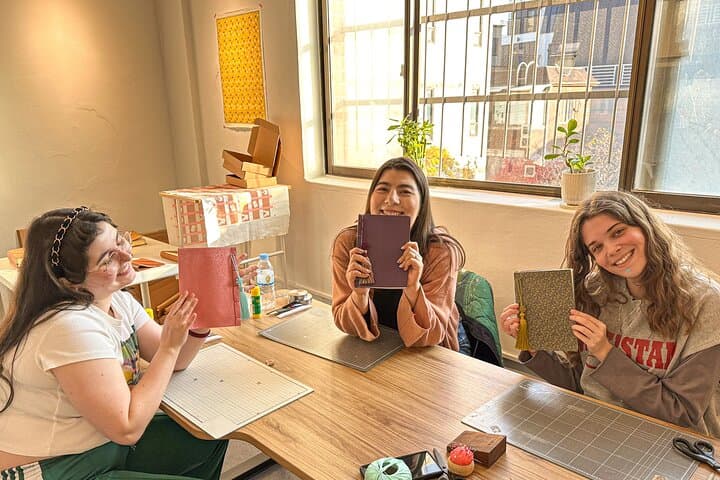
Step into a compact Hongdae studio where sunlight skims textured paper and a quiet chorus of scissors and thread guides the workbench. The instructor lays out 22 silk covers—colors and patterns lined up like small flags—while the smell of paste and fresh Hanji feels almost ceremonial. You choose silk, thread, and a norigae knot; the materials invite you to build an object that will outlast most souvenirs.
Step into a compact Hongdae studio where sunlight skims textured paper and a quiet chorus of scissors and thread guides the workbench. The instructor lays out 22 silk covers—colors and patterns lined up like small flags—while the smell of paste and fresh Hanji feels almost ceremonial. You choose silk, thread, and a norigae knot; the materials invite you to build an object that will outlast most souvenirs.
Hanji is more than pretty paper: it’s the handmade mulberry paper behind the Joseon Annals and is recognized for its archival quality. The class blends technique and context—students learn traditional stab-binding, the role of silk covers in Korean book arts, and why Hanji’s fibers give the pages tensile life. The session moves through selecting materials, folding and cutting pages, binding with thread, and adding a decorative norigae knot before gift-ready packing.
Practical details are straightforward. The two-hour workshop accepts up to a dozen people, includes tools and materials, and is open to participants 17 and older. The studio sits in a bustling neighborhood best reached by subway; there’s no elevator to the studio, so plan accordingly. Expect hands-on work requiring fine motor control more than strength—bring an extra layer if you’re sensitive to air conditioning, and allow time to explore Hongdae’s cafés and craft markets after class.
For travelers seeking cultural craft with low physical demand, this class delivers a tactile connection to Korean material history and a durable keepsake you can use every day.