THE ADVENTURE COLLECTIVE® · Independent discovery and booking for outdoor travel

Spend a focused half-day on Kovači Street learning traditional Bosnian coppersmith techniques and leaving with a handmade džezva you decorated yourself. This hands-on class pairs cultural history with practical instruction—ideal for curious travelers who want a meaningful souvenir.
Spend a focused half-day on Kovači Street learning traditional Bosnian coppersmith techniques and leaving with a handmade džezva you decorated yourself. This hands-on class pairs cultural history with practical instruction—ideal for curious travelers who want a meaningful souvenir.
Metal sings under the hammer as you step off Kovači Street into a small shop where copper smells warm and bright. The room is threaded with light; tools hang in disciplined rows and the master taps a rhythm that guides beginners through shaping and chasing. You’ll feel the metal cool at the edge of your palm and hear the difference between a confident strike and a tentative one.
Verified experiences and guided adventures in the surrounding area.
Operated by Funky Tours · Sarajevo, Federation of Bosnia and Herzegovina
Metal sings under the hammer as you step off Kovači Street into a small shop where copper smells warm and bright. The room is threaded with light; tools hang in disciplined rows and the master taps a rhythm that guides beginners through shaping and chasing. You’ll feel the metal cool at the edge of your palm and hear the difference between a confident strike and a tentative one.
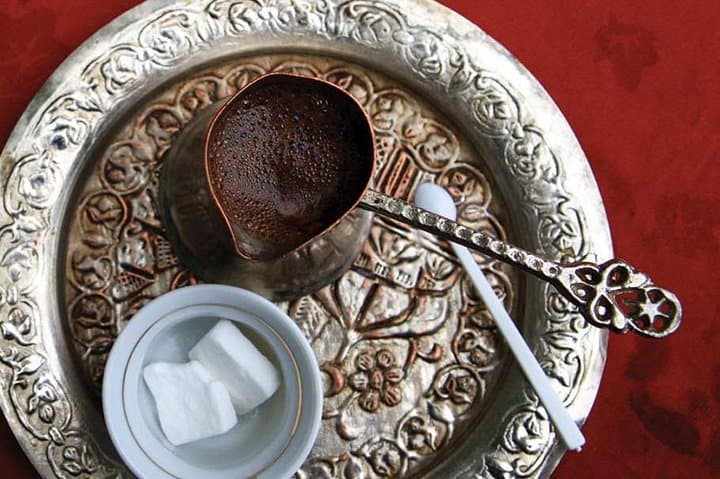
This corner of Sarajevo has kept coppersmithing alive for more than five centuries, a craft shaped by Ottoman-era markets and local miners in the Dinaric foothills. The džezva — the low, bellied coffee pot you’ll work on — is both object and ritual: coffee prepared in it defines part of Bosnian social life. Techniques here emphasize hand-hammering and chased decoration rather than machine stamping, a tactile record of craft history.
Expect a focused, half-day session (about 2.5 hours) with a professional instructor, small groups, and light refreshments. You’ll learn basic forming, hammer control, and the finishing stage so your džezva is usable at home. The workshop is in an urban, transport-accessible quarter; wear closed-toe shoes and clothes you don’t mind a bit of metal dust on.
Practical tips: book mornings to avoid crowds, allow time to securely pack the finished piece for travel, and ask to see comparison pieces to spot machine-made versus handmade work. The experience is as much about local culture and technique as it is about leaving with a souvenir you helped create — a compact, practical way to take Sarajevo’s craft history home.
easy.
2–3 hours.
Light activity; suitable for most fitness levels and ages with adult supervision for children
Yes — the finishing and decorating phase is included and you take home the completed džezva at the end of the workshop.
No; the class is designed for beginners and the instructor guides each step of the process.
Children can join but must be accompanied by an adult; check with the operator for age-appropriate participation.
Kovači is in Sarajevo’s Baščaršija area, accessible on foot from central Sarajevo or by local buses and trams—public transport stops are nearby.
Coppersmithing in Sarajevo traces back more than 500 years to Ottoman-era markets; the craft developed alongside regional mining and city trade.
Supporting local artisans helps sustain traditional skills; opt for handmade items and avoid mass-produced copperware to reduce cultural commodification.
Funky Tours operates guided outdoor trips and adventures with an emphasis on safety, stewardship, and memorable experiences.
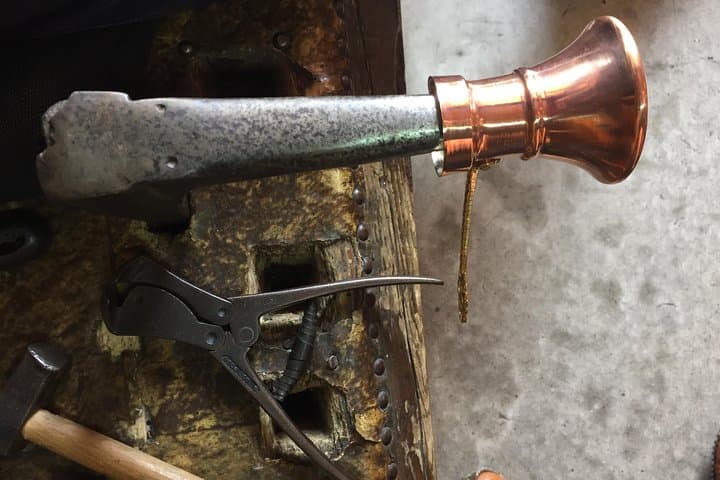
Metal sings under the hammer as you step off Kovači Street into a small shop where copper smells warm and bright. The room is threaded with light; tools hang in disciplined rows and the master taps a rhythm that guides beginners through shaping and chasing. You’ll feel the metal cool at the edge of your palm and hear the difference between a confident strike and a tentative one.
Metal sings under the hammer as you step off Kovači Street into a small shop where copper smells warm and bright. The room is threaded with light; tools hang in disciplined rows and the master taps a rhythm that guides beginners through shaping and chasing. You’ll feel the metal cool at the edge of your palm and hear the difference between a confident strike and a tentative one.
This corner of Sarajevo has kept coppersmithing alive for more than five centuries, a craft shaped by Ottoman-era markets and local miners in the Dinaric foothills. The džezva — the low, bellied coffee pot you’ll work on — is both object and ritual: coffee prepared in it defines part of Bosnian social life. Techniques here emphasize hand-hammering and chased decoration rather than machine stamping, a tactile record of craft history.
Expect a focused, half-day session (about 2.5 hours) with a professional instructor, small groups, and light refreshments. You’ll learn basic forming, hammer control, and the finishing stage so your džezva is usable at home. The workshop is in an urban, transport-accessible quarter; wear closed-toe shoes and clothes you don’t mind a bit of metal dust on.
Practical tips: book mornings to avoid crowds, allow time to securely pack the finished piece for travel, and ask to see comparison pieces to spot machine-made versus handmade work. The experience is as much about local culture and technique as it is about leaving with a souvenir you helped create — a compact, practical way to take Sarajevo’s craft history home.