THE ADVENTURE COLLECTIVE® · Independent discovery and booking for outdoor travel

A multi-day, high-altitude trek linking the Makalu and Everest regions via three high passes. Expect glacier travel, Sherpa villages, and sustained exposure above 5,000 m over roughly 16 days.
A multi-day, high-altitude trek linking the Makalu and Everest regions via three high passes. Expect glacier travel, Sherpa villages, and sustained exposure above 5,000 m over roughly 16 days.
You step off the Lukla airstrip into thin, clear air; prayer flags snap like small alarms and the Dudh Kosi rushes below, daring you forward. The trail drops from Lukla and then climbs, carrying you through rhododendron forests, stone villages, and the skeletal blue of glaciers. Peaks—Makalu, Lhotse, Everest—sit like watchful neighbors, changing robes with the light.
Verified experiences and guided adventures in the surrounding area.
Operated by Nepal Mountain Club Pvt Ltd · Lukla, Province No. 1
You step off the Lukla airstrip into thin, clear air; prayer flags snap like small alarms and the Dudh Kosi rushes below, daring you forward. The trail drops from Lukla and then climbs, carrying you through rhododendron forests, stone villages, and the skeletal blue of glaciers. Peaks—Makalu, Lhotse, Everest—sit like watchful neighbors, changing robes with the light.
This route threads historic Sherpa communities of the Khumbu and Makalu zones, villages that grew around trade routes and high-altitude yak pastures. Geologically, you move from river-carved valleys to moraine fields and glacial cols carved by ice over millennia. Cultural notes are plain along the way: mani walls, tea houses, and high-altitude hospitality shaped by Tibetan Buddhism and mountain life.
Expect long days, steep ascents and three major high passes (French Col, Amphu Laptsa, and a Makalu-area col), altitude exposure above 5,000–5,800 m, and mixed terrain—packed earth, scree, snow and ice. The itinerary’s rest days are purposeful: acclimatization is as much part of safety as the guide and porter support.
Practical guidance: pack for large temperature swings, break in boots beforehand, and plan for conservative pacing—16 days on trail with several 6–8 hour walking days. Hydrate, eat frequently, and rely on experienced Sherpa guides for route-finding and safety on glacier sections. Waste management and local permits are enforced; follow leave-no-trace practices and respect village routines. Finish the trek with a dawn ascent of Kala Patthar for a final, uncompromising panorama of Everest and its company.
challenging.
15–17 days.
Requires high aerobic fitness, prior multi-day trekking experience, and the ability to carry a daypack for 6–8 hour days at altitude.
Yes—TIMS and national trekking permits plus special permits for Makalu and restricted areas are required; operator typically arranges them.
Spring (April–May) and fall (September–November) offer the most stable weather and clearer mountain views; shoulder seasons can be colder and wetter.
Serious—several nights exceed 4,500 m and passes top 5,800 m; acclimatization days and a conservative ascent profile are essential.
Mostly yes—basic teahouse accommodations exist on the main sections, but higher camps may be rudimentary and cold; the operator provides porters to carry heavy luggage.
The trail connects historic Sherpa trade and pilgrimage routes between the Makalu and Khumbu regions; many villages grew as caravan stops and pilgrimage waypoints.
Permits and local regulations limit numbers in sensitive zones; support local teahouses, pack out non-organic waste, and use guide services that follow sustainable practices.
Nepal Mountain Club Pvt Ltd operates guided outdoor trips and adventures with an emphasis on safety, stewardship, and memorable experiences.
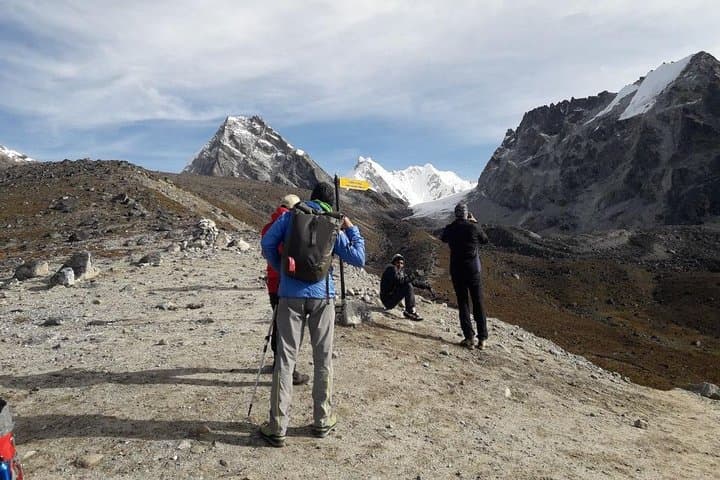
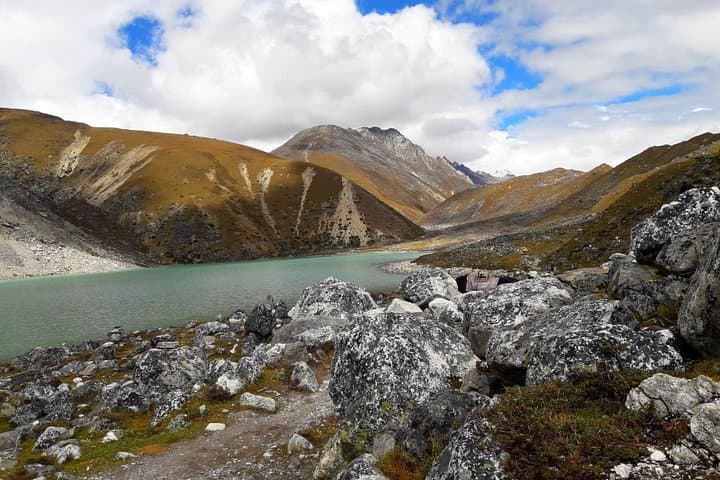
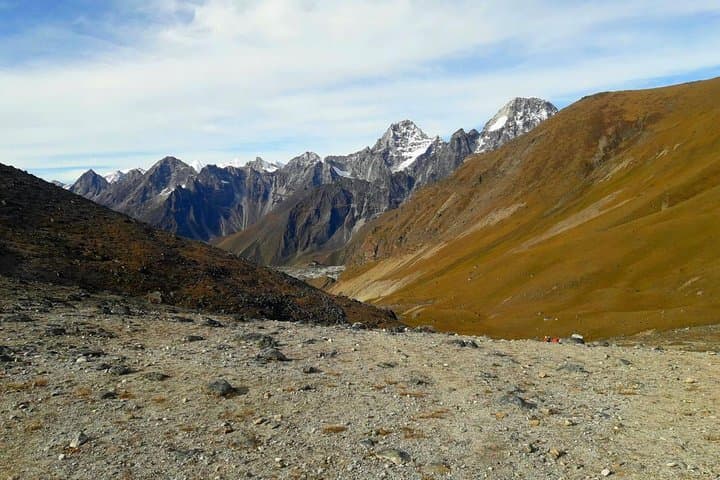
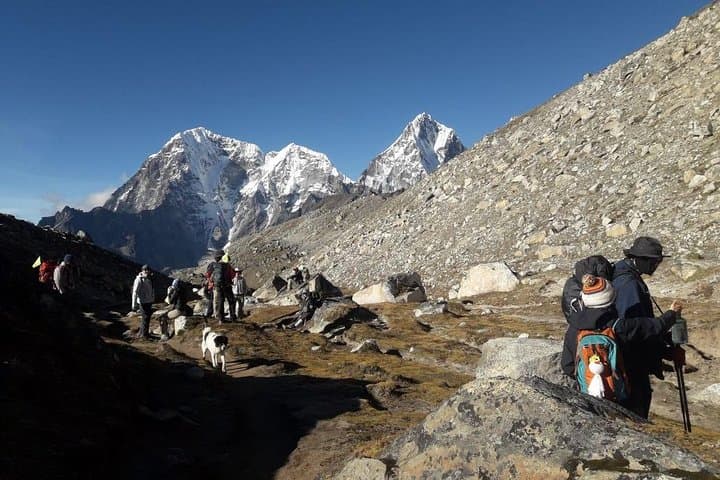
You step off the Lukla airstrip into thin, clear air; prayer flags snap like small alarms and the Dudh Kosi rushes below, daring you forward. The trail drops from Lukla and then climbs, carrying you through rhododendron forests, stone villages, and the skeletal blue of glaciers. Peaks—Makalu, Lhotse, Everest—sit like watchful neighbors, changing robes with the light.
You step off the Lukla airstrip into thin, clear air; prayer flags snap like small alarms and the Dudh Kosi rushes below, daring you forward. The trail drops from Lukla and then climbs, carrying you through rhododendron forests, stone villages, and the skeletal blue of glaciers. Peaks—Makalu, Lhotse, Everest—sit like watchful neighbors, changing robes with the light.
This route threads historic Sherpa communities of the Khumbu and Makalu zones, villages that grew around trade routes and high-altitude yak pastures. Geologically, you move from river-carved valleys to moraine fields and glacial cols carved by ice over millennia. Cultural notes are plain along the way: mani walls, tea houses, and high-altitude hospitality shaped by Tibetan Buddhism and mountain life.
Expect long days, steep ascents and three major high passes (French Col, Amphu Laptsa, and a Makalu-area col), altitude exposure above 5,000–5,800 m, and mixed terrain—packed earth, scree, snow and ice. The itinerary’s rest days are purposeful: acclimatization is as much part of safety as the guide and porter support.
Practical guidance: pack for large temperature swings, break in boots beforehand, and plan for conservative pacing—16 days on trail with several 6–8 hour walking days. Hydrate, eat frequently, and rely on experienced Sherpa guides for route-finding and safety on glacier sections. Waste management and local permits are enforced; follow leave-no-trace practices and respect village routines. Finish the trek with a dawn ascent of Kala Patthar for a final, uncompromising panorama of Everest and its company.