THE ADVENTURE COLLECTIVE® · Independent discovery and booking for outdoor travel

A remote 14–15 day trek through Makalu-Barun National Park that climbs from river valleys into high alpine meadows and glaciers, reaching Makalu Base Camp (~4,870 m). Expect long days, teahouse nights and rare wildlife sightings in one of Nepal’s least-traveled high routes.
A remote 14–15 day trek through Makalu-Barun National Park that climbs from river valleys into high alpine meadows and glaciers, reaching Makalu Base Camp (~4,870 m). Expect long days, teahouse nights and rare wildlife sightings in one of Nepal’s least-traveled high routes.
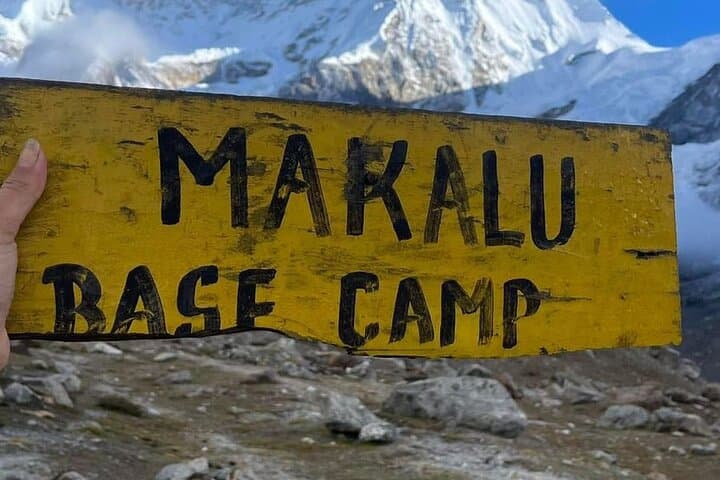
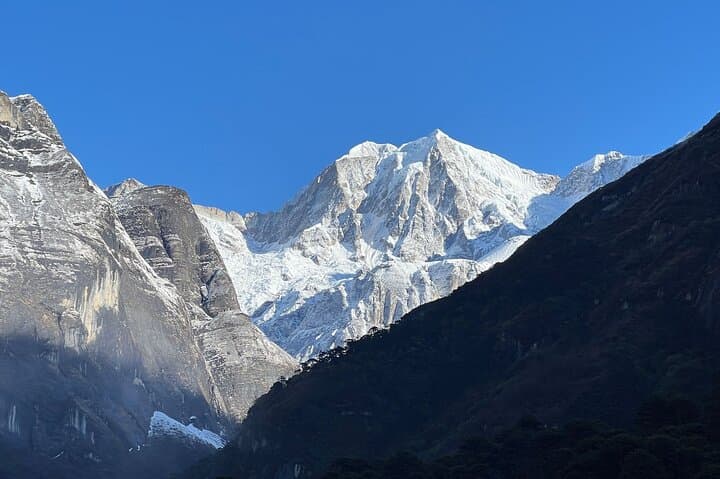
A thin wind pushes across a high ridge as trekkers leave the last stand of rhododendrons behind and the massif of Makalu unrolls into view—a harsh, serrated shoulder against an immense sky. The approach starts low, in humid river valleys and terraced villages, then climbs through dense forest, alpine meadows and glacial moraine until the landscape hardens and the air thins.
Verified experiences and guided adventures in the surrounding area.
Operated by Bodhi Tree Tours Travel and Treks · Tumlingtar, Province No. 1
A thin wind pushes across a high ridge as trekkers leave the last stand of rhododendrons behind and the massif of Makalu unrolls into view—a harsh, serrated shoulder against an immense sky. The approach starts low, in humid river valleys and terraced villages, then climbs through dense forest, alpine meadows and glacial moraine until the landscape hardens and the air thins.
This route threads the heart of Makalu-Barun National Park, one of Nepal’s most biodiverse protected areas. Geological forces have stacked young metamorphic rock and glacial deposits to form steep valleys and sharp cols; culturally the trail links Rai, Sherpa and Bhotiya settlements where subsistence farming and age-old hospitality still shape daily life. Wildlife here includes red panda and Himalayan tahr, and spring brings explosive rhododendron blooms along lower ridges.
Practical guide: the standard itinerary runs about 14–15 days with nights in teahouses and occasional basic lodges, a scheduled acclimatization day at Khongma Danda, and a high point at Makalu Base Camp ~4,870 m. Typical marches range 4–7 hours per day; expect steep descents to river valleys and long ascents to passes like Shipton La (≈4,170 m). Carry layers for wide temperature swings, plan for slow, steady ascents to reduce altitude risk, and use trekking poles on loose moraine.
Logistics: the program commonly includes return flights Kathmandu–Tumlingtar and local guides/porters; sleeping bags, poles and crampons are often available on request. Water treatment, high-calorie snacks and conservative pacing are essential—this is remote, high-altitude trekking where silence and raw mountain views come with real physical demands.
challenging.
14–15 days.
Good aerobic fitness with previous multi-day trekking experience; able to hike 4–7 hours on steep, uneven terrain and manage altitude.
Yes—trekkers require permits for Makalu-Barun National Park and TIMS/trekking registration; operators usually handle permits as part of the package.
Late spring (April–May) and autumn (September–November) offer the most stable weather, best views, and manageable temperatures.
Most nights are in teahouses or basic lodges; upper sectors near base camp may be tented or offer very basic lodge accommodation.
The route reaches nearly 4,900 m—AMS is a real concern; follow acclimatization days, ascend conservatively and report symptoms to your guide immediately.
The Makalu region has long been a borderland of mountain communities and trade routes; exploration picked up in the mid-20th century as mountaineering expanded in eastern Nepal.
Makalu-Barun National Park protects fragile alpine ecosystems—stick to trails, pack out waste and respect local grazing and medicinal plant areas.
Bodhi Tree Tours Travel and Treks operates guided outdoor trips and adventures with an emphasis on safety, stewardship, and memorable experiences.

A thin wind pushes across a high ridge as trekkers leave the last stand of rhododendrons behind and the massif of Makalu unrolls into view—a harsh, serrated shoulder against an immense sky. The approach starts low, in humid river valleys and terraced villages, then climbs through dense forest, alpine meadows and glacial moraine until the landscape hardens and the air thins.
A thin wind pushes across a high ridge as trekkers leave the last stand of rhododendrons behind and the massif of Makalu unrolls into view—a harsh, serrated shoulder against an immense sky. The approach starts low, in humid river valleys and terraced villages, then climbs through dense forest, alpine meadows and glacial moraine until the landscape hardens and the air thins.
This route threads the heart of Makalu-Barun National Park, one of Nepal’s most biodiverse protected areas. Geological forces have stacked young metamorphic rock and glacial deposits to form steep valleys and sharp cols; culturally the trail links Rai, Sherpa and Bhotiya settlements where subsistence farming and age-old hospitality still shape daily life. Wildlife here includes red panda and Himalayan tahr, and spring brings explosive rhododendron blooms along lower ridges.
Practical guide: the standard itinerary runs about 14–15 days with nights in teahouses and occasional basic lodges, a scheduled acclimatization day at Khongma Danda, and a high point at Makalu Base Camp ~4,870 m. Typical marches range 4–7 hours per day; expect steep descents to river valleys and long ascents to passes like Shipton La (≈4,170 m). Carry layers for wide temperature swings, plan for slow, steady ascents to reduce altitude risk, and use trekking poles on loose moraine.
Logistics: the program commonly includes return flights Kathmandu–Tumlingtar and local guides/porters; sleeping bags, poles and crampons are often available on request. Water treatment, high-calorie snacks and conservative pacing are essential—this is remote, high-altitude trekking where silence and raw mountain views come with real physical demands.