THE ADVENTURE COLLECTIVE® · Independent discovery and booking for outdoor travel

Cross the Brahmaputra to Majuli and spend four days among satras, mask‑makers and Mishing villages. This cultural escape pairs quiet river travel with hands‑on craft visits and wildlife side‑trips around Jorhat.
Cross the Brahmaputra to Majuli and spend four days among satras, mask‑makers and Mishing villages. This cultural escape pairs quiet river travel with hands‑on craft visits and wildlife side‑trips around Jorhat.
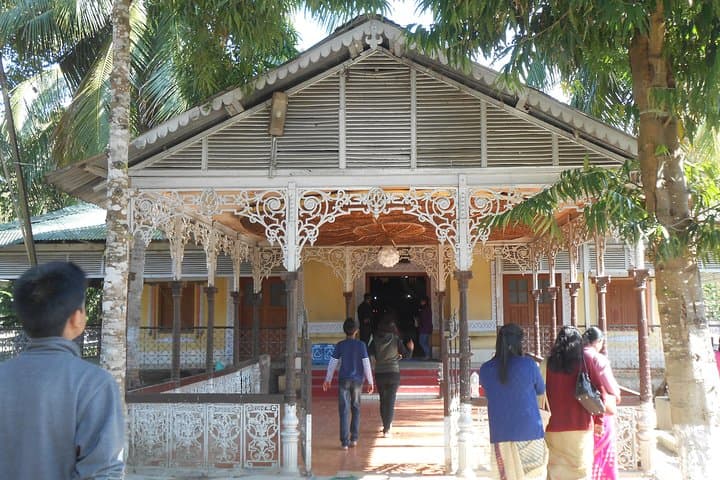
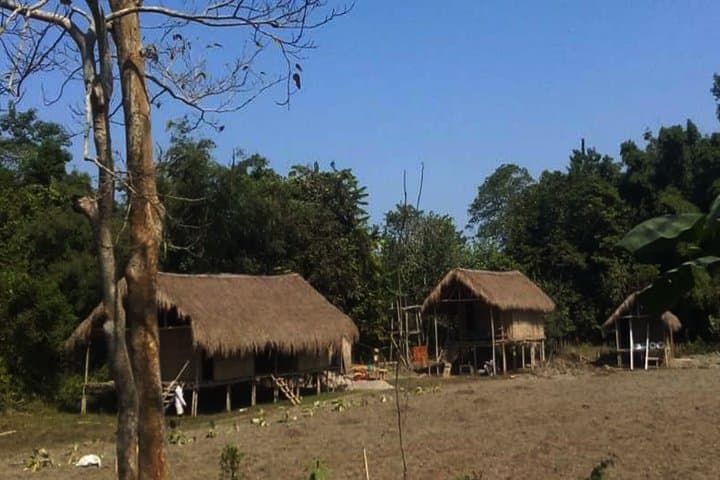
The ferry pushes off at dawn and the Brahmaputra spreads like a moving plain, water daring you to look away. Low, green islands drift past; fishermen tilt their boats like punctuation in the river’s long sentence. Landing on Majuli feels abrupt — sudden open sky and reed-lined banks, villages of bamboo and thatch where satras (Vaishnavite monasteries) keep time with daily prayer and craft.
Verified experiences and guided adventures in the surrounding area.
Operated by Assam Discovery · Majuli, Assam
The ferry pushes off at dawn and the Brahmaputra spreads like a moving plain, water daring you to look away. Low, green islands drift past; fishermen tilt their boats like punctuation in the river’s long sentence. Landing on Majuli feels abrupt — sudden open sky and reed-lined banks, villages of bamboo and thatch where satras (Vaishnavite monasteries) keep time with daily prayer and craft.
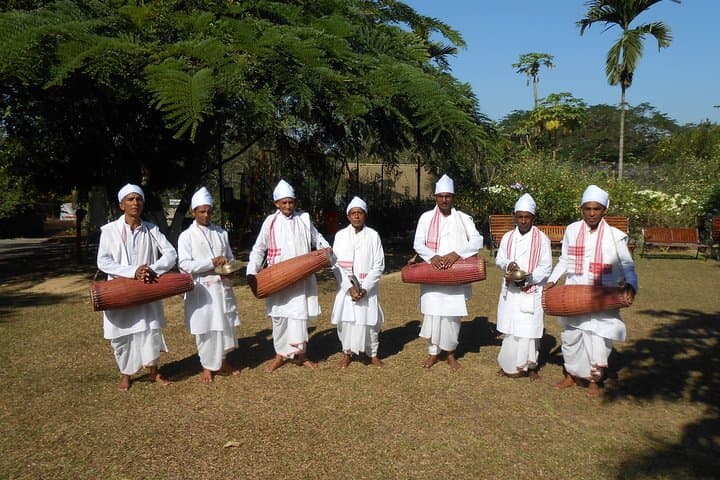
Majuli's history is braided with the life of Srimanta Sankardev, whose 16th‑century reform movement established satras that remain cultural hubs. Geologically the island is a river‑born landform, created—and constantly reshaped—by the Brahmaputra’s flows; erosion and deposition make every sandbank temporary. The island’s cultural fabric is tangible: mask-making workshops that use cane and clay, satriya dance performances, and handloom weaves that carry centuries of technique.
With Assam Discovery’s guides you move beyond surface visits: evening conversations with artisans, a 45‑minute Satriya performance, and a Mishing village walk that reveals daily life — weaving, fishing, cultivating. The trip blends gentle walking with repeated ferry crossings; expect flat terrain, short village tracks, and the occasional muddy approach to ghats.
Practical guidance: time your visit outside the monsoon (Oct–Mar) for firm ground and clear light. Bring a lightweight rain jacket anyway—river weather changes fast. Sturdy, quick‑dry footwear and a daypack make village strolls and satra visits comfortable. Leave single‑use plastics behind, and plan extra time for ferry schedules; tides and river traffic dictate movement. This is a slow, sensory trip: listen for drums, watch maskmakers shape faces, and let the Brahmaputra decide your pace.
easy.
4 days.
Light walking and several short, unpaved village paths; suitable for most travelers with basic mobility.
Most visitors transfer from Jorhat by road to Kamalabari or Neamatighat and then take a public or charter ferry to Majuli; crossings take roughly 45–90 minutes depending on the route.
Yes; terrain is flat and activities are low‑impact, but ferry transfers and simple accommodations mean planning for mobility and seasickness is wise.
October to March offers cooler, drier weather and firmer ground; avoid the monsoon (June–September) when heavy rains and higher river flow disrupt ferries and erode banks.
Yes; reputable operators provide English‑speaking guides who explain satra history, crafts, and arrange community visits and performances.
Majuli grew as a cultural center after the 16th‑century Vaishnavite movement led by Srimanta Sankardev; satras on the island preserve art, music and manuscript traditions.
Majuli faces severe river erosion from the Brahmaputra; sustainable tourism and support for local crafts help communities adapt and protect cultural sites.
Assam Discovery operates guided outdoor trips and adventures with an emphasis on safety, stewardship, and memorable experiences.

The ferry pushes off at dawn and the Brahmaputra spreads like a moving plain, water daring you to look away. Low, green islands drift past; fishermen tilt their boats like punctuation in the river’s long sentence. Landing on Majuli feels abrupt — sudden open sky and reed-lined banks, villages of bamboo and thatch where satras (Vaishnavite monasteries) keep time with daily prayer and craft.
The ferry pushes off at dawn and the Brahmaputra spreads like a moving plain, water daring you to look away. Low, green islands drift past; fishermen tilt their boats like punctuation in the river’s long sentence. Landing on Majuli feels abrupt — sudden open sky and reed-lined banks, villages of bamboo and thatch where satras (Vaishnavite monasteries) keep time with daily prayer and craft.
Majuli's history is braided with the life of Srimanta Sankardev, whose 16th‑century reform movement established satras that remain cultural hubs. Geologically the island is a river‑born landform, created—and constantly reshaped—by the Brahmaputra’s flows; erosion and deposition make every sandbank temporary. The island’s cultural fabric is tangible: mask-making workshops that use cane and clay, satriya dance performances, and handloom weaves that carry centuries of technique.
With Assam Discovery’s guides you move beyond surface visits: evening conversations with artisans, a 45‑minute Satriya performance, and a Mishing village walk that reveals daily life — weaving, fishing, cultivating. The trip blends gentle walking with repeated ferry crossings; expect flat terrain, short village tracks, and the occasional muddy approach to ghats.
Practical guidance: time your visit outside the monsoon (Oct–Mar) for firm ground and clear light. Bring a lightweight rain jacket anyway—river weather changes fast. Sturdy, quick‑dry footwear and a daypack make village strolls and satra visits comfortable. Leave single‑use plastics behind, and plan extra time for ferry schedules; tides and river traffic dictate movement. This is a slow, sensory trip: listen for drums, watch maskmakers shape faces, and let the Brahmaputra decide your pace.