THE ADVENTURE COLLECTIVE® · Independent discovery and booking for outdoor travel

A brisk, guided tasting that introduces six Maine-made beers and ciders in 30 minutes. Perfect as a quick intro to Maine’s brewing and orchard traditions and to plan longer visits to local farms and breweries.
A brisk, guided tasting that introduces six Maine-made beers and ciders in 30 minutes. Perfect as a quick intro to Maine’s brewing and orchard traditions and to plan longer visits to local farms and breweries.
You step into a compact tasting room in Wiscasset where the salt air from the Sheepscot River still seems to brush the windows. Glasses clink; a host places six small pours before you — three beers, three ciders — each from a different Maine producer. The light is honest, the conversation practical: who farms the apples, where the malt was kilned, which recipes reference old New England methods.
Verified experiences and guided adventures in the surrounding area.
You step into a compact tasting room in Wiscasset where the salt air from the Sheepscot River still seems to brush the windows. Glasses clink; a host places six small pours before you — three beers, three ciders — each from a different Maine producer. The light is honest, the conversation practical: who farms the apples, where the malt was kilned, which recipes reference old New England methods.
Maine’s brewing and cidermaking draw on a layered past: colonial-era brewing traditions, a long history of orchard culture, and more recent craft revivals. The region’s glacially carved coastline and rocky soils shaped both grain routes and orchard sites, while maritime trade once sent barrels up and down the coast. Today, Wiscasset’s tasting rooms act as short, focused classrooms on that continuity.
Expect brief narration on production techniques, short origin stories from each maker, and tasting pointers — body, acidity, hop or tannin profiles — rather than a deep technical seminar. Hosts often follow up with personalized recommendations for nearby breweries, farmstands, or cider orchards to visit later in your trip.
Practical guidance: bring a valid photo ID, arrive a few minutes early to settle in, and plan transportation if you intend to sample (local taxi or designated driver recommended). This 30-minute experience is ideal as a first-day orientation to Maine’s beverages; use it to map a longer, self-guided tasting route through Midcoast towns. Buy a bottle or two to take home if available, and ask about seasonal releases — many cider and small-batch beers are limited runs.
easy.
30 minutes.
No special fitness required; accessible to most adults who can stand for short periods.
The guided experience is approximately 30 minutes and covers six small pours from six different Maine producers.
Yes—hosts design the session as an introduction, explaining basic styles and local production stories.
Many tastings offer bottles or growlers for sale depending on stock and local regulations; ask the host during the session.
Instant confirmation is available, but weekend slots can fill quickly—book ahead during peak summer season.
Wiscasset grew as a coastal trading and shipbuilding hub; local brewing traces back to colonial household fermentation and orcharding that supplied early settlers.
Support producers who source locally and use sustainable orchard practices; minimize single-use plastics when buying bottles and consider recyclable packaging.
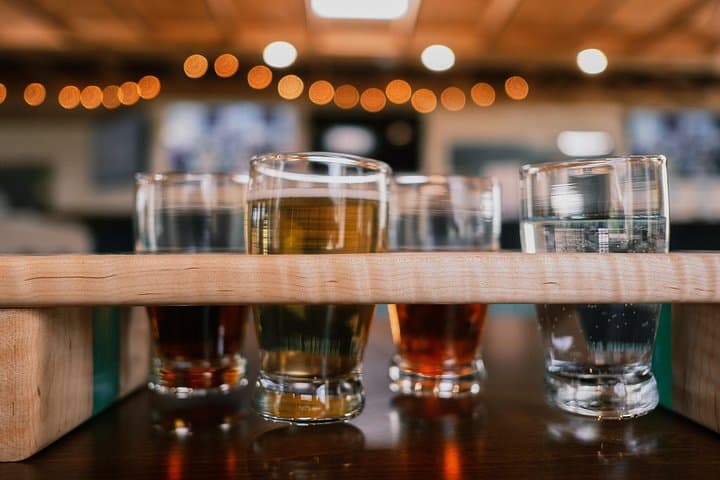
You step into a compact tasting room in Wiscasset where the salt air from the Sheepscot River still seems to brush the windows. Glasses clink; a host places six small pours before you — three beers, three ciders — each from a different Maine producer. The light is honest, the conversation practical: who farms the apples, where the malt was kilned, which recipes reference old New England methods.
You step into a compact tasting room in Wiscasset where the salt air from the Sheepscot River still seems to brush the windows. Glasses clink; a host places six small pours before you — three beers, three ciders — each from a different Maine producer. The light is honest, the conversation practical: who farms the apples, where the malt was kilned, which recipes reference old New England methods.
Maine’s brewing and cidermaking draw on a layered past: colonial-era brewing traditions, a long history of orchard culture, and more recent craft revivals. The region’s glacially carved coastline and rocky soils shaped both grain routes and orchard sites, while maritime trade once sent barrels up and down the coast. Today, Wiscasset’s tasting rooms act as short, focused classrooms on that continuity.
Expect brief narration on production techniques, short origin stories from each maker, and tasting pointers — body, acidity, hop or tannin profiles — rather than a deep technical seminar. Hosts often follow up with personalized recommendations for nearby breweries, farmstands, or cider orchards to visit later in your trip.
Practical guidance: bring a valid photo ID, arrive a few minutes early to settle in, and plan transportation if you intend to sample (local taxi or designated driver recommended). This 30-minute experience is ideal as a first-day orientation to Maine’s beverages; use it to map a longer, self-guided tasting route through Midcoast towns. Buy a bottle or two to take home if available, and ask about seasonal releases — many cider and small-batch beers are limited runs.