THE ADVENTURE COLLECTIVE® · Independent discovery and booking for outdoor travel

A full-day guided climb from Deer Park up the Grand Ridge delivers subalpine meadows, exposed ridgewalking, and panoramic views of Mt. Baker, Vancouver Island, and the Olympic peaks. Prepare for a challenging 6–8 hour outing with rapid weather shifts and sustained elevation.
A full-day guided climb from Deer Park up the Grand Ridge delivers subalpine meadows, exposed ridgewalking, and panoramic views of Mt. Baker, Vancouver Island, and the Olympic peaks. Prepare for a challenging 6–8 hour outing with rapid weather shifts and sustained elevation.
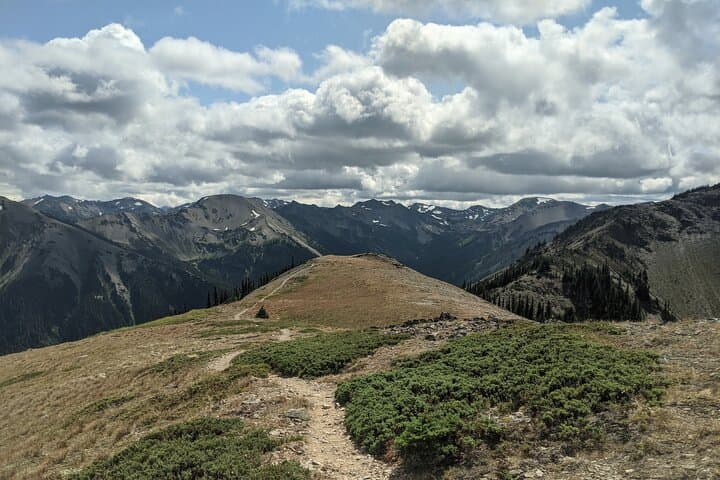
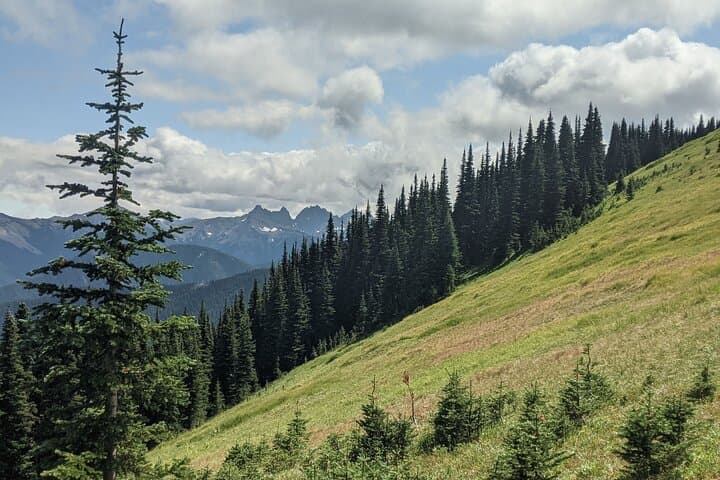
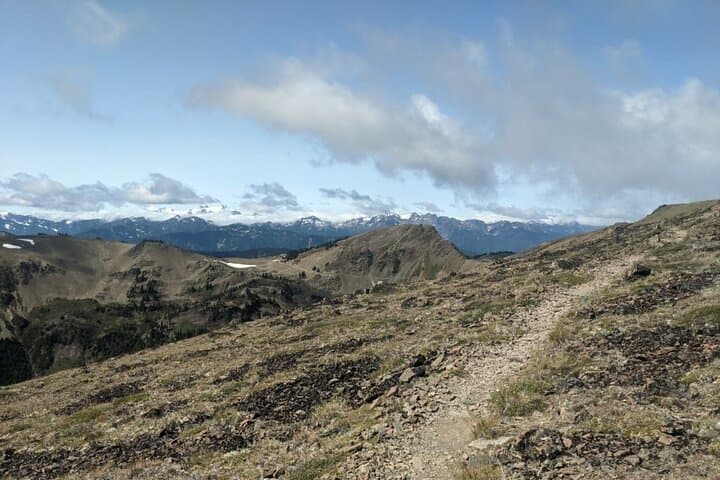
The trail begins at the Deer Park Ranger Station where the air smells of damp fir and alpine grass. From the first steps you climb through subalpine forest that opens into meadows, and the ridge exhales wide views: Mt. Baker to the east, Vancouver Island and the Strait of Juan de Fuca to the north, and the sweep of the Olympic range to the south.
Verified experiences and guided adventures in the surrounding area.
Operated by Lasting Adventures · Port Angeles, Washington
The trail begins at the Deer Park Ranger Station where the air smells of damp fir and alpine grass. From the first steps you climb through subalpine forest that opens into meadows, and the ridge exhales wide views: Mt. Baker to the east, Vancouver Island and the Strait of Juan de Fuca to the north, and the sweep of the Olympic range to the south.
Geology here reads like a rugged ledger—uplifted marine rocks and basalt folded and scoured by glaciers—creating the sharp ridgelines and bowls that frame Maiden Peak. The Grand Ridge trail is the highest maintained route in the park, a corridor that has long been traveled by Coast Salish peoples; nearby valleys hold place names and seasonal use patterns tied to local tribes.
Expect varied terrain: rooty, forested approaches, soft meadow tread in bloom, and exposed ridge with rockier sections near the 6,200-foot summit. The hike starts around 5,300 feet at Deer Park, so overall elevation change is moderate but sustained; weather can flip from sun to wind and drizzle in minutes.
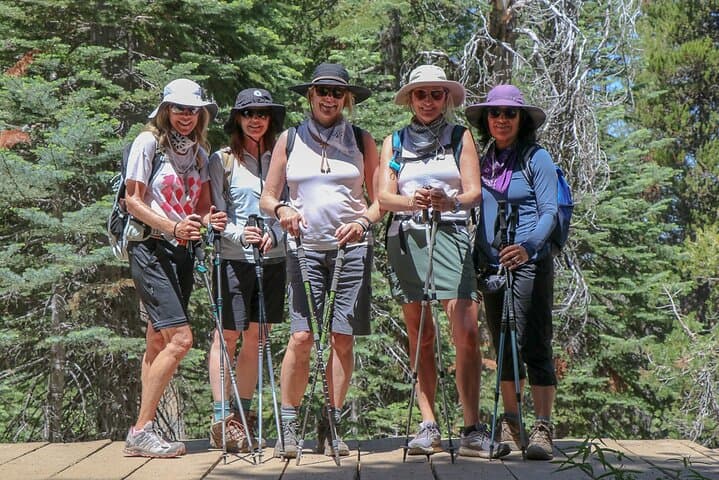
Practical notes: plan for a full day (6–8 hours), carry layers for wind and sun, and bring plenty of water—there are limited reliable sources on the ridge. Trekking poles help on steeper, uneven stretches. Guided outings typically include a seasoned guide and basic filtration gear, but participants should be comfortable with sustained uphill hiking and trail exposure. Early starts reward calmer winds and clearer vistas; late afternoon brings softer light but greater weather risk.
challenging.
6–8 hours.
Good cardiovascular fitness with experience on sustained uphill terrain; able to hike 8–12 miles with elevation gain.
No special permit is required for day use on this section of Grand Ridge, but park entrance fees and seasonal road or parking restrictions may apply.
Guided trips are classed as challenging—expect sustained uphill hiking with about 900 feet of net elevation gain and rocky, exposed ridgeline sections.
Service animals are allowed; recreational dogs are typically restricted in Olympic National Park backcountry—check current park regulations before traveling.
You may see marmots, black-tailed deer, and birds of prey; maintain distance from wildlife and store food securely.
The Grand Ridge corridor crosses lands used seasonally by Coast Salish peoples; trails and place names reflect long-standing connections to the mountains.
Stick to durable surfaces in meadows to protect fragile alpine plants; pack out all trash and follow Leave No Trace to limit erosion on the high ridge.
Lasting Adventures operates guided outdoor trips and adventures with an emphasis on safety, stewardship, and memorable experiences.
The trail begins at the Deer Park Ranger Station where the air smells of damp fir and alpine grass. From the first steps you climb through subalpine forest that opens into meadows, and the ridge exhales wide views: Mt. Baker to the east, Vancouver Island and the Strait of Juan de Fuca to the north, and the sweep of the Olympic range to the south.
The trail begins at the Deer Park Ranger Station where the air smells of damp fir and alpine grass. From the first steps you climb through subalpine forest that opens into meadows, and the ridge exhales wide views: Mt. Baker to the east, Vancouver Island and the Strait of Juan de Fuca to the north, and the sweep of the Olympic range to the south.
Geology here reads like a rugged ledger—uplifted marine rocks and basalt folded and scoured by glaciers—creating the sharp ridgelines and bowls that frame Maiden Peak. The Grand Ridge trail is the highest maintained route in the park, a corridor that has long been traveled by Coast Salish peoples; nearby valleys hold place names and seasonal use patterns tied to local tribes.
Expect varied terrain: rooty, forested approaches, soft meadow tread in bloom, and exposed ridge with rockier sections near the 6,200-foot summit. The hike starts around 5,300 feet at Deer Park, so overall elevation change is moderate but sustained; weather can flip from sun to wind and drizzle in minutes.
Practical notes: plan for a full day (6–8 hours), carry layers for wind and sun, and bring plenty of water—there are limited reliable sources on the ridge. Trekking poles help on steeper, uneven stretches. Guided outings typically include a seasoned guide and basic filtration gear, but participants should be comfortable with sustained uphill hiking and trail exposure. Early starts reward calmer winds and clearer vistas; late afternoon brings softer light but greater weather risk.