THE ADVENTURE COLLECTIVE® · Independent discovery and booking for outdoor travel

A three-day private tour from Rishikesh that follows the Ganges into the Garhwal Himalaya, visiting Devprayag, Adi Badri, Dunagiri and the Mahavatar Babaji Cave. Expect scenic drives, short steep walks, simple guesthouse stays and time for meditation at sacred sites.
A three-day private tour from Rishikesh that follows the Ganges into the Garhwal Himalaya, visiting Devprayag, Adi Badri, Dunagiri and the Mahavatar Babaji Cave. Expect scenic drives, short steep walks, simple guesthouse stays and time for meditation at sacred sites.
You leave Rishikesh before sunrise, the Ganges shrinking into silver ribbon as the road climbs into pine-scented passes. Villages slip by—stone houses, prayer flags, roadside shrines—until the traffic thins and the Himalaya reasserts itself: steep ridgelines, river gorges that dare you to look down, and terraces carved into the mountain’s ribs.
Verified experiences and guided adventures in the surrounding area.
Operated by Rishikesh Day Tour · Dwarahat, Uttarakhand
You leave Rishikesh before sunrise, the Ganges shrinking into silver ribbon as the road climbs into pine-scented passes. Villages slip by—stone houses, prayer flags, roadside shrines—until the traffic thins and the Himalaya reasserts itself: steep ridgelines, river gorges that dare you to look down, and terraces carved into the mountain’s ribs.
This three-day itinerary traces centuries of devotion and geology. Devprayag marks the mythic meeting of the Alaknanda and Bhagirathi; rocks here bear the slow work of Himalayan uplift. Higher, Adi Badri and Dwarahat preserve medieval stone temples from the Katyuri and Chand eras, compact courses in the region’s devotional architecture. Dunagiri’s hill shrine offers broad views and a quieter ritual rhythm before the tour reaches Mahavatar Babaji Cave — a simple grotto revered by Kriya Yoga practitioners as a place of meditation and initiation.
Culturally, the route threads local Kumaoni customs: temple pujas, mountain food, and caretaker priests whose knowledge is oral and precise. Geologically the area is young, folded rock and active drainage, which makes seasons and river crossings central to planning.
Practical guidance: be ready for long drives and short, steep walks to shrines; pack layered clothes for sharp temperature swings; bring cash for small donations and roadside food; and allow time for quiet meditation. Expect basic guesthouse accommodation, private transport from Rishikesh, and a moderate fitness requirement for short treks to remote cave sites.
moderate.
3 days (approx. 72 hours total, including transit).
Good baseline fitness for multiple short, steep walks and tolerance for long vehicle transfers.
The tour involves long road transfers and short, sometimes steep walks to shrines and caves; a moderate fitness level is recommended.
Two nights’ accommodation and meals (breakfast and dinner) are included; expect basic guesthouse standards near Babaji Cave.
Yes — the tour is a private transfer-based itinerary and is commonly booked by solo pilgrims; basic safety in mountain travel norms applies.
No special permits for travelers are generally required, but local temple donations and adherence to shrine rules are customary.
The Garhwal route links sacred river confluences and medieval temple complexes; Mahavatar Babaji is a modern devotional focal point for Kriya Yoga practitioners.
The Himalayan foothills are ecologically fragile—minimize waste, avoid single-use plastics, and follow local guidance to protect water sources and trailheads.
Rishikesh Day Tour operates guided outdoor trips and adventures with an emphasis on safety, stewardship, and memorable experiences.
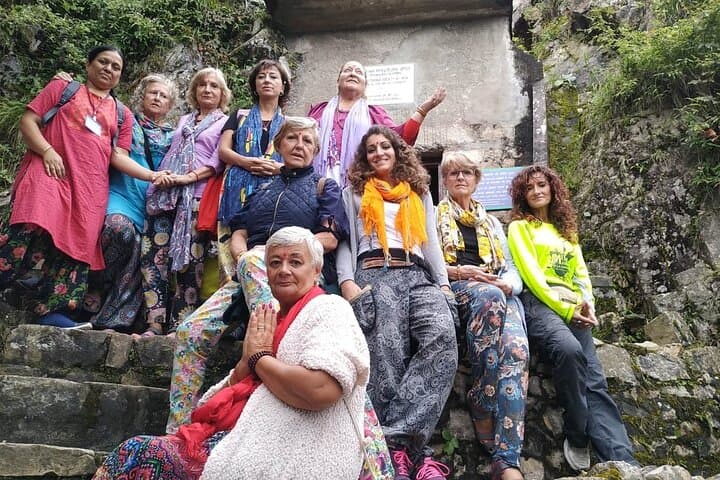
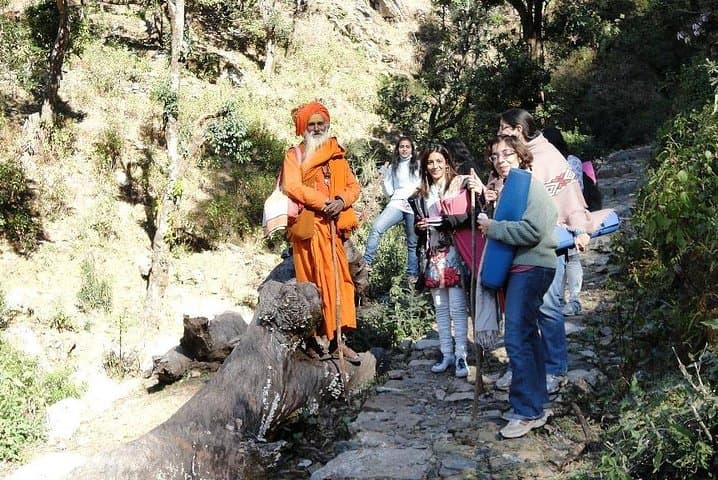
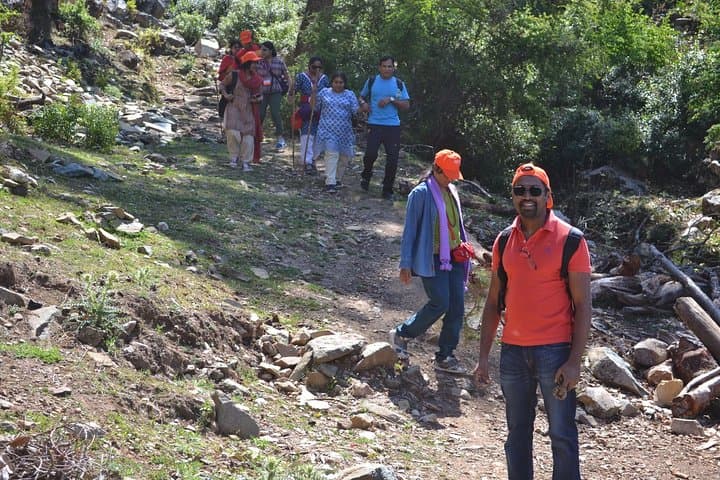

You leave Rishikesh before sunrise, the Ganges shrinking into silver ribbon as the road climbs into pine-scented passes. Villages slip by—stone houses, prayer flags, roadside shrines—until the traffic thins and the Himalaya reasserts itself: steep ridgelines, river gorges that dare you to look down, and terraces carved into the mountain’s ribs.
You leave Rishikesh before sunrise, the Ganges shrinking into silver ribbon as the road climbs into pine-scented passes. Villages slip by—stone houses, prayer flags, roadside shrines—until the traffic thins and the Himalaya reasserts itself: steep ridgelines, river gorges that dare you to look down, and terraces carved into the mountain’s ribs.
This three-day itinerary traces centuries of devotion and geology. Devprayag marks the mythic meeting of the Alaknanda and Bhagirathi; rocks here bear the slow work of Himalayan uplift. Higher, Adi Badri and Dwarahat preserve medieval stone temples from the Katyuri and Chand eras, compact courses in the region’s devotional architecture. Dunagiri’s hill shrine offers broad views and a quieter ritual rhythm before the tour reaches Mahavatar Babaji Cave — a simple grotto revered by Kriya Yoga practitioners as a place of meditation and initiation.
Culturally, the route threads local Kumaoni customs: temple pujas, mountain food, and caretaker priests whose knowledge is oral and precise. Geologically the area is young, folded rock and active drainage, which makes seasons and river crossings central to planning.
Practical guidance: be ready for long drives and short, steep walks to shrines; pack layered clothes for sharp temperature swings; bring cash for small donations and roadside food; and allow time for quiet meditation. Expect basic guesthouse accommodation, private transport from Rishikesh, and a moderate fitness requirement for short treks to remote cave sites.