THE ADVENTURE COLLECTIVE® · Independent discovery and booking for outdoor travel

Visit the Hellenistic ruins of Magnesia and the pilgrimage site of the House of the Virgin Mary, then unwind with a traditional Turkish bath. This private shore excursion blends archaeology, local culture, and restorative hamam rituals into a single day trip.
Visit the Hellenistic ruins of Magnesia and the pilgrimage site of the House of the Virgin Mary, then unwind with a traditional Turkish bath. This private shore excursion blends archaeology, local culture, and restorative hamam rituals into a single day trip.
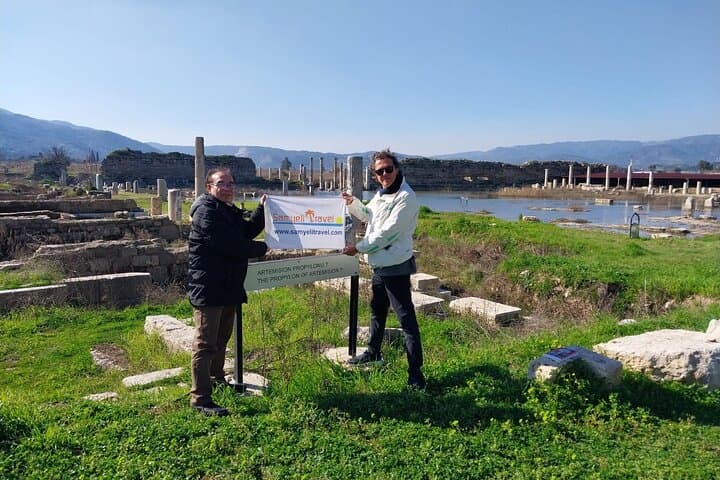
You step off the cruise gangway and the Aegean air immediately carries the mixture of salt, citrus groves and sun-warmed stone. A short drive takes you inland through low, folded hills until the remains of Magnesia appear: fluted columns, a half-buried stadium bowl, and the crooked line of a marble colonnade that still remembers the footfalls of athletes and chariots.
Verified experiences and guided adventures in the surrounding area.
Operated by Samyeli Travel · Kuşadası, Aydın
You step off the cruise gangway and the Aegean air immediately carries the mixture of salt, citrus groves and sun-warmed stone. A short drive takes you inland through low, folded hills until the remains of Magnesia appear: fluted columns, a half-buried stadium bowl, and the crooked line of a marble colonnade that still remembers the footfalls of athletes and chariots.
Magnesia on the Meander was a Hellenistic settlement founded by the Magnetes and later woven into the Roman and Byzantine landscapes of western Anatolia. Geologically, the site sits on river-laid alluvium from the Büyük Menderes (Meander) valley; the plain once fed the city's grain and supported its olive groves. A short, contemplative stop at the House of the Virgin Mary follows, perched on a quiet slope near Ephesus where pilgrims from several faiths gather; the site’s modern reverence dates to nineteenth-century identifications and a papal visit in 1967.
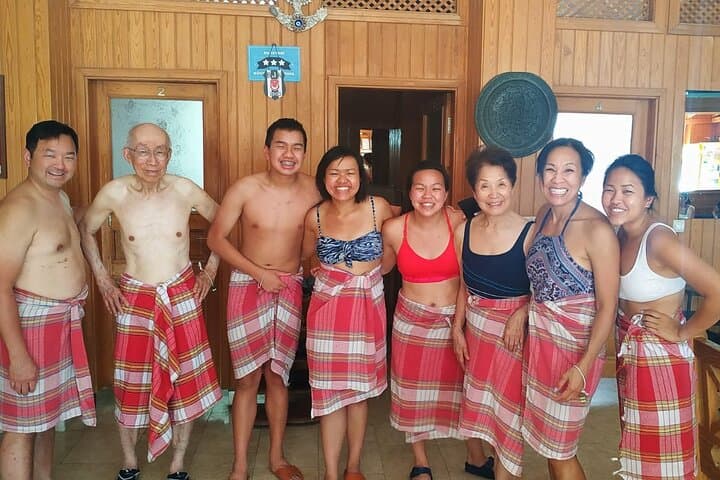
Cultural layers continue in a traditional hamam session that closes the day — steam, kese scrubs and a foam massage performed in heated marble rooms. Between ruins and ritual you’ll pass small cooperatives selling carpets and leather, where bargaining is part of the cultural exchange.
Practical guidance: plan for a 6–7 hour outing with uneven walking surfaces at archaeological sites, modest dress for the pilgrimage house, and easy footwear for the hamam. Bring sun protection, a small bottle of water for site walks, and a light jacket for morning or late-season breezes. The pace is relaxed but involves stairs and short, uneven trails; allow time for photos and a leisurely lunch of local Turkish cuisine.
easy.
6–7 hours.
Suitable for travelers who can walk short distances and climb several sets of stairs; not strenuous but involves uneven terrain.
Some archaeological sites and the House of the Virgin Mary may charge modest local entrance fees; optional skip-the-line tickets can sometimes be purchased through the operator.
Yes—this tour is organized as a shore excursion with pickup and drop-off at Kuşadası cruise port; the guide meets you at the gangway holding your name.
Typical hamam packages include time in the sauna/steam room, a kese (scrub), foam massage and a bubble wash; specifics may vary so confirm inclusions before booking.
The operator notes general accessibility and transport options, but archaeological sites have uneven terrain and steps that may limit access—check with the provider for site-specific arrangements.
Magnesia was founded by the Magnetes and grew as a regional athletic and commercial center on the floodplain of the Büyük Menderes; the House of the Virgin Mary became a recognized pilgrimage site after nineteenth-century identifications and a papal visit in 1967.
Wear-and-tear from visitors affects fragile stonework—stay on marked paths and avoid climbing on ruins; support local conservation by purchasing from licensed cooperatives and following site rules.
Samyeli Travel operates guided outdoor trips and adventures with an emphasis on safety, stewardship, and memorable experiences.
You step off the cruise gangway and the Aegean air immediately carries the mixture of salt, citrus groves and sun-warmed stone. A short drive takes you inland through low, folded hills until the remains of Magnesia appear: fluted columns, a half-buried stadium bowl, and the crooked line of a marble colonnade that still remembers the footfalls of athletes and chariots.
You step off the cruise gangway and the Aegean air immediately carries the mixture of salt, citrus groves and sun-warmed stone. A short drive takes you inland through low, folded hills until the remains of Magnesia appear: fluted columns, a half-buried stadium bowl, and the crooked line of a marble colonnade that still remembers the footfalls of athletes and chariots.
Magnesia on the Meander was a Hellenistic settlement founded by the Magnetes and later woven into the Roman and Byzantine landscapes of western Anatolia. Geologically, the site sits on river-laid alluvium from the Büyük Menderes (Meander) valley; the plain once fed the city's grain and supported its olive groves. A short, contemplative stop at the House of the Virgin Mary follows, perched on a quiet slope near Ephesus where pilgrims from several faiths gather; the site’s modern reverence dates to nineteenth-century identifications and a papal visit in 1967.
Cultural layers continue in a traditional hamam session that closes the day — steam, kese scrubs and a foam massage performed in heated marble rooms. Between ruins and ritual you’ll pass small cooperatives selling carpets and leather, where bargaining is part of the cultural exchange.
Practical guidance: plan for a 6–7 hour outing with uneven walking surfaces at archaeological sites, modest dress for the pilgrimage house, and easy footwear for the hamam. Bring sun protection, a small bottle of water for site walks, and a light jacket for morning or late-season breezes. The pace is relaxed but involves stairs and short, uneven trails; allow time for photos and a leisurely lunch of local Turkish cuisine.