THE ADVENTURE COLLECTIVE® · Independent discovery and booking for outdoor travel

Spend a full day from Bath visiting a rare copy of the 1215 Magna Carta, romantic moated castle ruins, and a grand stately home still occupied by the Marquess & Marchioness of Bath. This private tour combines guided history with easy walks through countryside and heritage interiors.
Spend a full day from Bath visiting a rare copy of the 1215 Magna Carta, romantic moated castle ruins, and a grand stately home still occupied by the Marquess & Marchioness of Bath. This private tour combines guided history with easy walks through countryside and heritage interiors.
You step into an English morning with the warm stone of Bath receding in the rear-view mirror and the map of centuries ahead. By the time the coach eases into a village lane, damp grass still clinging to the moat walls, the day has already begun to unfurl: a moated 14th‑century ruin daring you to explore its collapsed towers, a grand country house with living rooms that have received monarchs, and the soaring nave of a 13th‑century cathedral that keeps one of the original 1215 Magna Carta copies under guard.
Verified experiences and guided adventures in the surrounding area.
You step into an English morning with the warm stone of Bath receding in the rear-view mirror and the map of centuries ahead. By the time the coach eases into a village lane, damp grass still clinging to the moat walls, the day has already begun to unfurl: a moated 14th‑century ruin daring you to explore its collapsed towers, a grand country house with living rooms that have received monarchs, and the soaring nave of a 13th‑century cathedral that keeps one of the original 1215 Magna Carta copies under guard.
The route threads through Wiltshire and Somerset—chalk downs, mixed farmland and small river valleys carved since the last Ice Age. The cathedral anchors the legal and cultural history; the stately home offers insight into aristocratic life and estate management from Tudor remodelling to Georgian refinement. Local villages keep tea rooms and craft shops where you can feel the continuity of rural English life.
Expect easy-to-moderate walks on stone paving and short lawns, staircases inside heritage houses, and curated interiors with period furniture. Your private guide handles admissions and timing so you can focus on context: why Magna Carta mattered, how moats evolved from defense to status, and how these estates sustained communities.
Practical notes: the tour runs March–October and lasts most of the day (plan for 8–9 hours). Wear grippy shoes for uneven surfaces, layers for changeable weather, and allow time for photography and short refreshment breaks. Respect signage in all historic buildings and arrive ready to walk and stand for extended periods.
easy.
8–9 hours.
Light to moderate fitness: comfortable walking and standing for several hours with short uneven sections and stairs.
The private day tour lasts about 8–9 hours; exact start times are coordinated at booking, typically leaving Bath in the morning.
Yes—a rare early copy is kept in the cathedral’s secure display; access is subject to cathedral opening times and conservation rules.
This private tour includes admissions and private transportation between sites as part of the booking.
Many historic houses have limited accessibility due to stairs and narrow doorways—check with the operator in advance for specific access arrangements.
The Magna Carta (1215) marked an early step toward limiting royal power; nearby stately homes reflect centuries of social and architectural change under landed families.
Historic sites balance public access with conservation—follow roped routes, avoid touching fragile surfaces, and support on-site donations to preservation efforts.
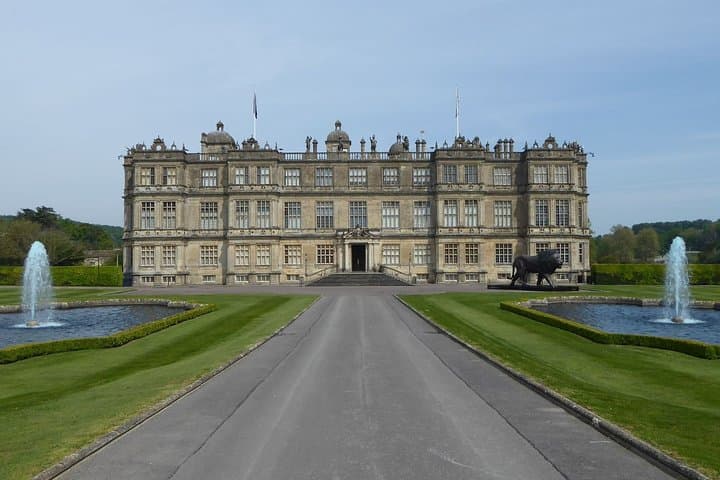
You step into an English morning with the warm stone of Bath receding in the rear-view mirror and the map of centuries ahead. By the time the coach eases into a village lane, damp grass still clinging to the moat walls, the day has already begun to unfurl: a moated 14th‑century ruin daring you to explore its collapsed towers, a grand country house with living rooms that have received monarchs, and the soaring nave of a 13th‑century cathedral that keeps one of the original 1215 Magna Carta copies under guard.
You step into an English morning with the warm stone of Bath receding in the rear-view mirror and the map of centuries ahead. By the time the coach eases into a village lane, damp grass still clinging to the moat walls, the day has already begun to unfurl: a moated 14th‑century ruin daring you to explore its collapsed towers, a grand country house with living rooms that have received monarchs, and the soaring nave of a 13th‑century cathedral that keeps one of the original 1215 Magna Carta copies under guard.
The route threads through Wiltshire and Somerset—chalk downs, mixed farmland and small river valleys carved since the last Ice Age. The cathedral anchors the legal and cultural history; the stately home offers insight into aristocratic life and estate management from Tudor remodelling to Georgian refinement. Local villages keep tea rooms and craft shops where you can feel the continuity of rural English life.
Expect easy-to-moderate walks on stone paving and short lawns, staircases inside heritage houses, and curated interiors with period furniture. Your private guide handles admissions and timing so you can focus on context: why Magna Carta mattered, how moats evolved from defense to status, and how these estates sustained communities.
Practical notes: the tour runs March–October and lasts most of the day (plan for 8–9 hours). Wear grippy shoes for uneven surfaces, layers for changeable weather, and allow time for photography and short refreshment breaks. Respect signage in all historic buildings and arrive ready to walk and stand for extended periods.