THE ADVENTURE COLLECTIVE® · Independent discovery and booking for outdoor travel

A private 4–5 hour loop through Tangier’s medina, Cape Spartel lighthouse and Hercules Cave—ideal for first-time visitors who want history, coastal panoramas and local flavor in a single day.
A private 4–5 hour loop through Tangier’s medina, Cape Spartel lighthouse and Hercules Cave—ideal for first-time visitors who want history, coastal panoramas and local flavor in a single day.
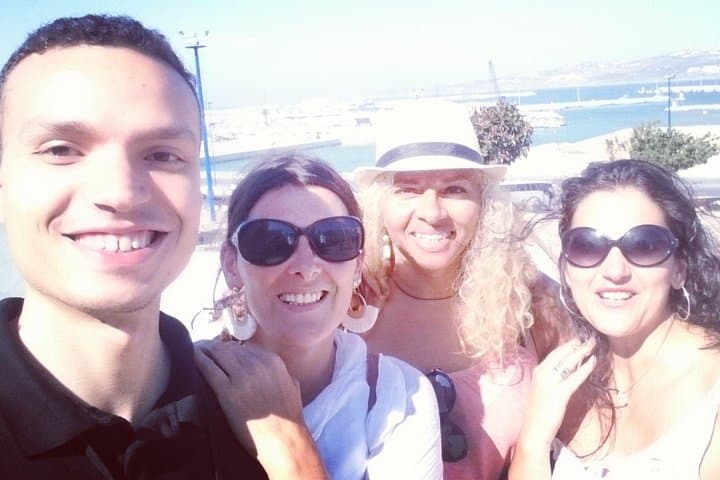
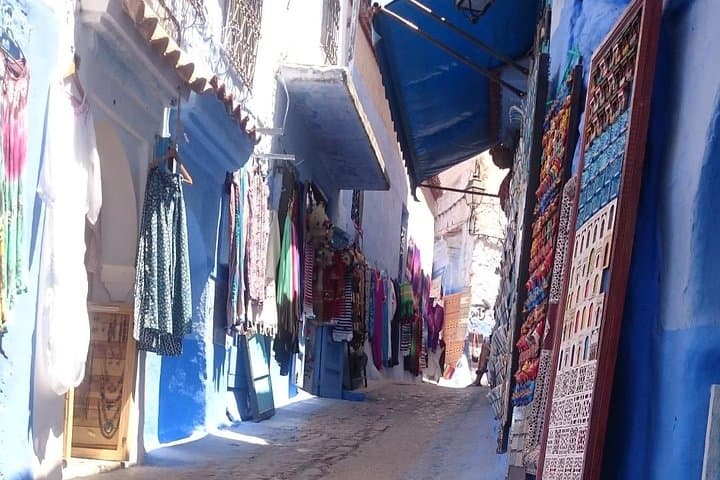
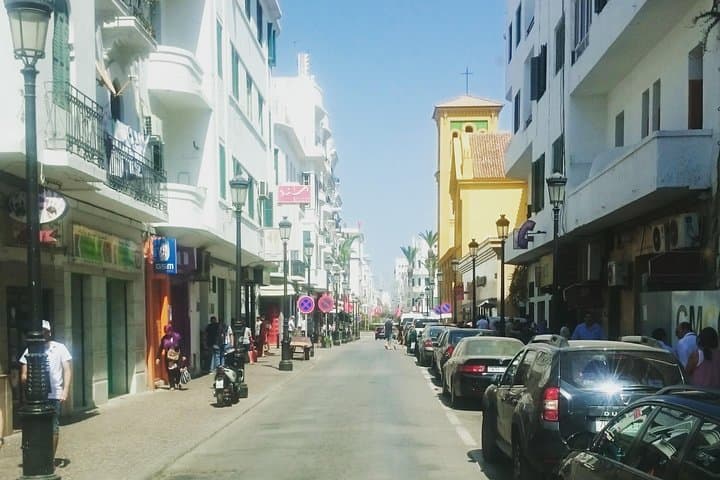
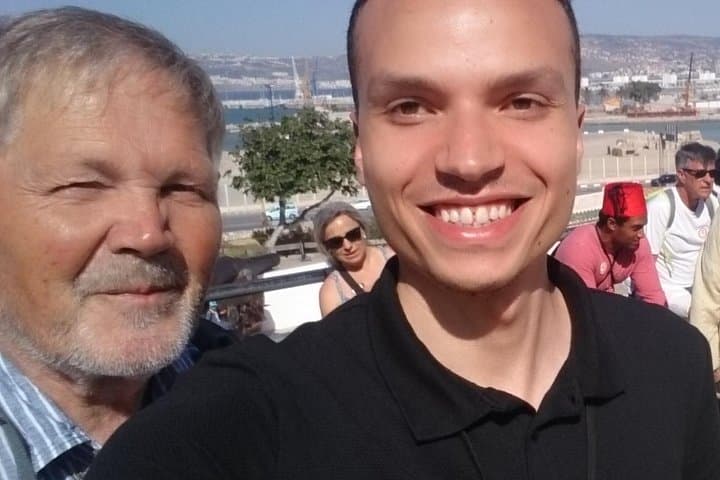
You step from the shaded alley into the roar of the sea—salt on the air, gulls cutting across a light blue sky—and Tangier unfolds: a jumble of white houses, a mosaic of languages and footsteps. This private 4–5 hour tour stitches the city’s high points into a single, handheld day: an exploration of the old medina, a climb to the lighthouse at Cape Spartel where the Atlantic and Mediterranean seem to argue, and a visit to the stony throat of Hercules Cave.
Verified experiences and guided adventures in the surrounding area.
Operated by Mohammed Amine Soulimani · Tangier, Tanger-Tetouan-Al Hoceima
You step from the shaded alley into the roar of the sea—salt on the air, gulls cutting across a light blue sky—and Tangier unfolds: a jumble of white houses, a mosaic of languages and footsteps. This private 4–5 hour tour stitches the city’s high points into a single, handheld day: an exploration of the old medina, a climb to the lighthouse at Cape Spartel where the Atlantic and Mediterranean seem to argue, and a visit to the stony throat of Hercules Cave.
Tangier’s layered history is visible in its streets. Phoenicians, Romans, Arabs and European powers left fortifications, kasbah terraces and tight souks; the city’s role as an international zone in the 20th century shaped its cosmopolitan edge. Geologically, Cape Spartel’s headland and the nearby cave are results of coastal uplift and millennia of wave action on limestone—hollows worn into dramatic chambers. Local culture is tactile: mint tea poured with a practiced wrist, vendors calling softly, craftsmen at work in back alleys.
Practical guidance: the route includes short walks on uneven surfaces and steps—comfortable, supportive shoes matter. Morning or late afternoon beats mid-day heat and gives better light for photos at the lighthouse. The private transport included in the tour reduces transit time and makes the trip accessible; paper tickets are required, and the operator notes wheelchair-accessible options.
Bring sun protection, a refillable water bottle, small local currency for market purchases, and a respectful attitude toward prayer spaces and private homes. The day balances easy urban wandering with coastal panoramas—an efficient, sensory introduction to Tangier’s edge between continents.
easy.
4–5 hours.
Suitable for most fitness levels; involves walking on uneven city streets and short stair climbs.
This private tour runs approximately 4–5 hours, depending on stops and traffic.
The operator lists wheelchair-accessible transportation and surfaces, but some historic sites have steps—confirm accessibility needs at booking.
Itinerary notes admission is included for listed attractions; check your voucher and ask the guide for specifics before arrival.
Languages vary by operator and guide; request your preferred language during booking to ensure a match.
Tangier served as a strategic port for Phoenicians, Romans and later became an international zone in the 20th century, which shaped its multicultural character.
Coastal erosion and litter are local concerns—stick to marked paths, pack out waste, and support businesses that follow sustainable practices.
Mohammed Amine Soulimani operates guided outdoor trips and adventures with an emphasis on safety, stewardship, and memorable experiences.
You step from the shaded alley into the roar of the sea—salt on the air, gulls cutting across a light blue sky—and Tangier unfolds: a jumble of white houses, a mosaic of languages and footsteps. This private 4–5 hour tour stitches the city’s high points into a single, handheld day: an exploration of the old medina, a climb to the lighthouse at Cape Spartel where the Atlantic and Mediterranean seem to argue, and a visit to the stony throat of Hercules Cave.
You step from the shaded alley into the roar of the sea—salt on the air, gulls cutting across a light blue sky—and Tangier unfolds: a jumble of white houses, a mosaic of languages and footsteps. This private 4–5 hour tour stitches the city’s high points into a single, handheld day: an exploration of the old medina, a climb to the lighthouse at Cape Spartel where the Atlantic and Mediterranean seem to argue, and a visit to the stony throat of Hercules Cave.
Tangier’s layered history is visible in its streets. Phoenicians, Romans, Arabs and European powers left fortifications, kasbah terraces and tight souks; the city’s role as an international zone in the 20th century shaped its cosmopolitan edge. Geologically, Cape Spartel’s headland and the nearby cave are results of coastal uplift and millennia of wave action on limestone—hollows worn into dramatic chambers. Local culture is tactile: mint tea poured with a practiced wrist, vendors calling softly, craftsmen at work in back alleys.
Practical guidance: the route includes short walks on uneven surfaces and steps—comfortable, supportive shoes matter. Morning or late afternoon beats mid-day heat and gives better light for photos at the lighthouse. The private transport included in the tour reduces transit time and makes the trip accessible; paper tickets are required, and the operator notes wheelchair-accessible options.
Bring sun protection, a refillable water bottle, small local currency for market purchases, and a respectful attitude toward prayer spaces and private homes. The day balances easy urban wandering with coastal panoramas—an efficient, sensory introduction to Tangier’s edge between continents.