THE ADVENTURE COLLECTIVE® · Independent discovery and booking for outdoor travel

Watch Kolkata wake: a four-hour early-morning walking tour through Howrah Bridge, the flower market, Kumartuli and hidden breakfast spots. This anthropological stroll focuses on local rhythms, transport and lived-in neighborhoods rather than monuments.
Watch Kolkata wake: a four-hour early-morning walking tour through Howrah Bridge, the flower market, Kumartuli and hidden breakfast spots. This anthropological stroll focuses on local rhythms, transport and lived-in neighborhoods rather than monuments.
The city exhales before sunrise: buses cough to life, tea shops light clay cups, and the Ganges nudges ferries toward the quay. On the Magic Hour Tour you move through that waking rhythm—an early-morning crawl across bridges and through alleyways that feel more lived-in than seen.
Verified experiences and guided adventures in the surrounding area.
Operated by Calcutta Capsule · Kolkata, West Bengal
The city exhales before sunrise: buses cough to life, tea shops light clay cups, and the Ganges nudges ferries toward the quay. On the Magic Hour Tour you move through that waking rhythm—an early-morning crawl across bridges and through alleyways that feel more lived-in than seen.
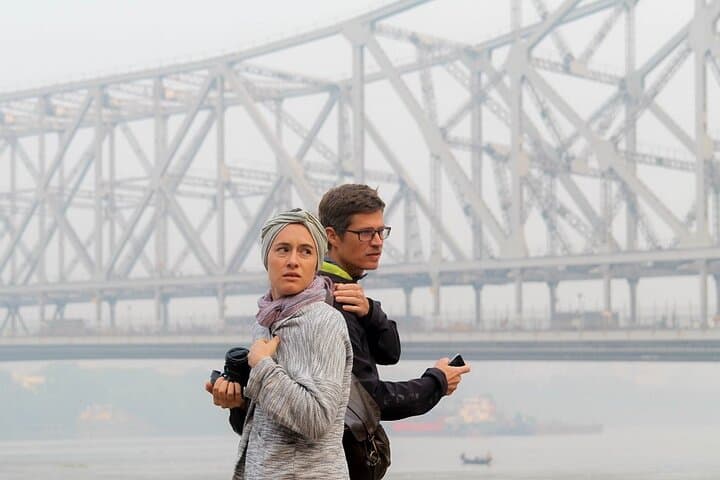
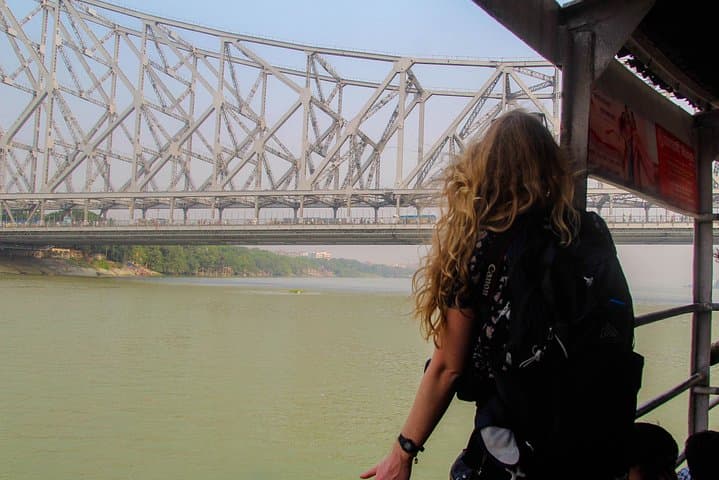
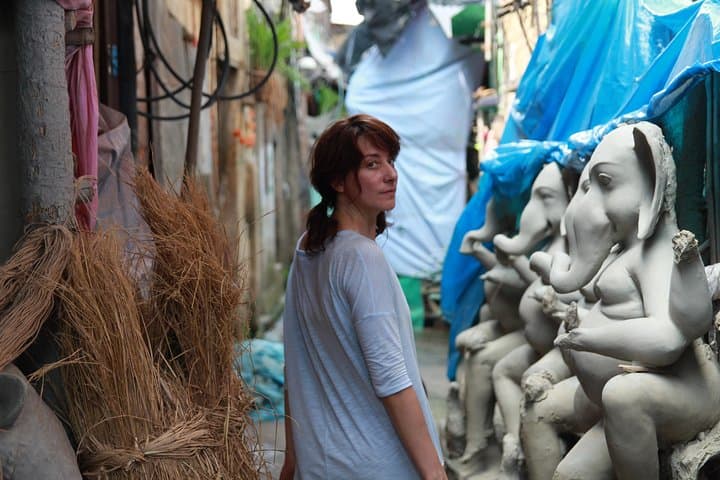
This is not a monument-driven walk but an anthropological pulse check. You’ll pass the industrial sweep of Howrah Bridge, thread the flower market where vendors arrange garlands before daybreak, and watch idol-makers in Kumartuli shaping faces for festivals. The tour frames Kolkata’s layered history—from Mughal-era trade routes and British urban planning to neighborhoods whose houses hold three centuries of migration and craft.
Geology here is subtle: the low-lying Hooghly plain dictates the city’s sprawl and the river’s moods, which push and pull livelihoods along its banks. Culture comes through in small things—chai in bhaads, rice-and-fish breakfast plates, and shopkeepers who measure time by tram arrivals.
Practical guidance: arrive wearing comfortable walking shoes; expect uneven pavements and crowded lanes. Carry a small daypack with water, a light rain jacket in monsoon season, and modest clothing out of respect in residential areas. The tour typically lasts four hours, moves at an easy pace, and includes multiple transport modes (local bus, ferry, on-foot). Photography is welcome—guides often offer edited digital shots after the walk.
By the end you won’t just have seen Kolkata; you’ll have a sense of how the city keeps waking itself up, every morning, with the same busy willingness.
easy.
4 hours.
Suitable for most fitness levels; requires standing and walking for up to four hours with short transport hops
The tour runs about four hours and involves mainly easy walking interspersed with short local bus or ferry rides.
Yes—it's advertised as suitable for all fitness levels; however participants should be comfortable with early starts and navigating crowded streets.
A traditional breakfast and light snacks are included, along with bottled water and tea or coffee.
Tours are typically led in English; the operator accepts special requirements during booking and may accommodate dietary or accessibility needs if notified in advance.
Kolkata was the capital of British India until 1911, shaping much of the city’s colonial architecture and planned streets alongside older neighborhoods built around riverine trade.
The Hooghly’s health affects local fisheries and livelihoods; choose vendors who use sustainable packaging and avoid littering in markets and riverbanks.
Calcutta Capsule operates guided outdoor trips and adventures with an emphasis on safety, stewardship, and memorable experiences.

The city exhales before sunrise: buses cough to life, tea shops light clay cups, and the Ganges nudges ferries toward the quay. On the Magic Hour Tour you move through that waking rhythm—an early-morning crawl across bridges and through alleyways that feel more lived-in than seen.
The city exhales before sunrise: buses cough to life, tea shops light clay cups, and the Ganges nudges ferries toward the quay. On the Magic Hour Tour you move through that waking rhythm—an early-morning crawl across bridges and through alleyways that feel more lived-in than seen.
This is not a monument-driven walk but an anthropological pulse check. You’ll pass the industrial sweep of Howrah Bridge, thread the flower market where vendors arrange garlands before daybreak, and watch idol-makers in Kumartuli shaping faces for festivals. The tour frames Kolkata’s layered history—from Mughal-era trade routes and British urban planning to neighborhoods whose houses hold three centuries of migration and craft.
Geology here is subtle: the low-lying Hooghly plain dictates the city’s sprawl and the river’s moods, which push and pull livelihoods along its banks. Culture comes through in small things—chai in bhaads, rice-and-fish breakfast plates, and shopkeepers who measure time by tram arrivals.
Practical guidance: arrive wearing comfortable walking shoes; expect uneven pavements and crowded lanes. Carry a small daypack with water, a light rain jacket in monsoon season, and modest clothing out of respect in residential areas. The tour typically lasts four hours, moves at an easy pace, and includes multiple transport modes (local bus, ferry, on-foot). Photography is welcome—guides often offer edited digital shots after the walk.
By the end you won’t just have seen Kolkata; you’ll have a sense of how the city keeps waking itself up, every morning, with the same busy willingness.