THE ADVENTURE COLLECTIVE® · Independent discovery and booking for outdoor travel

Spend a day outside Guadalajara hunting for fire within rock: a private tour of Magdalena’s opal and obsidian sites combines hands-on mining, geological context, and a chance to buy directly from local lapidaries. Expect uneven terrain, close-up mine access, and a typical Mexican lunch in town.
Spend a day outside Guadalajara hunting for fire within rock: a private tour of Magdalena’s opal and obsidian sites combines hands-on mining, geological context, and a chance to buy directly from local lapidaries. Expect uneven terrain, close-up mine access, and a typical Mexican lunch in town.
A mid-morning highway unwinds out of Guadalajara and the air shifts—dryer, edged with volcanic dust—as the van drops you on the main street of Magdalena. You start in a compact opal shop where glass cases glow; then the guide leads out into the rough, open cut of an opal mine, where hands sift gravel and sunlight brings flashes of fire from stone.
Verified experiences and guided adventures in the surrounding area.
Operated by Dragonfly Group · Guadalajara, Jalisco
A mid-morning highway unwinds out of Guadalajara and the air shifts—dryer, edged with volcanic dust—as the van drops you on the main street of Magdalena. You start in a compact opal shop where glass cases glow; then the guide leads out into the rough, open cut of an opal mine, where hands sift gravel and sunlight brings flashes of fire from stone.
The region sits on the western edge of Mexico’s volcanic belt. Opal here forms when silica-rich fluids filled cavities in ash and tuff; obsidian—volcanic glass—occurs where lava cooled fast, leaving jet-black sheets that catch light differently than the opals. Magdalena’s lapidary culture grew in the 20th century as miners and craftsmen turned local rough into inlaid jewelry sold across Jalisco.
Expect close contact with working mines and small-town life: dusty roads, family-run workshops, and a downtown restaurant serving simple, hearty Mexican fare for lunch. The tour balances hands-on gem hunting with geological context and local buying opportunities.
Practical tips: wear closed-toe shoes and pants (mine surfaces are uneven), bring sunscreen and at least 1–2 liters of water, and carry cash for small purchases. Cameras are fine but follow guide directions near unstable edges. Physical demands are moderate—short walks on loose scree and steps into shallow excavations.
A private tour condenses geology, craft, and commerce into one day—ideal for travelers wanting a tactile connection to the earth, an opportunity to learn how gems are found, and a chance to support local artisans.
moderate.
7 hours.
Suitable for travelers with moderate fitness: brief walks on uneven, loose terrain and a few shallow descents into excavations.
Pickup is in the Guadalajara metro area and the full tour is about 7 hours; expect roughly 1–1.5 hours each way depending on traffic.
No—opals and finished jewelry are available to buy at the shop but are paid for separately; bring sufficient cash or a card when available.
Children can join but the operator requires infants to sit on an adult’s lap; parents should supervise near open cuts and uneven terrain.
Guides lead visitors to safe viewing and collecting spots, but some areas are active work sites—follow instructions, wear proper footwear, and avoid restricted edges.
Opal extraction and lapidary work in Magdalena expanded during the 20th century, creating a local craft economy centered on cutting and selling gemstones.
Respect geological features and avoid removing rock from restricted or active excavation zones; buying directly from local artisans supports sustainable livelihoods and reduces incentive for illicit digging.
Dragonfly Group operates guided outdoor trips and adventures with an emphasis on safety, stewardship, and memorable experiences.
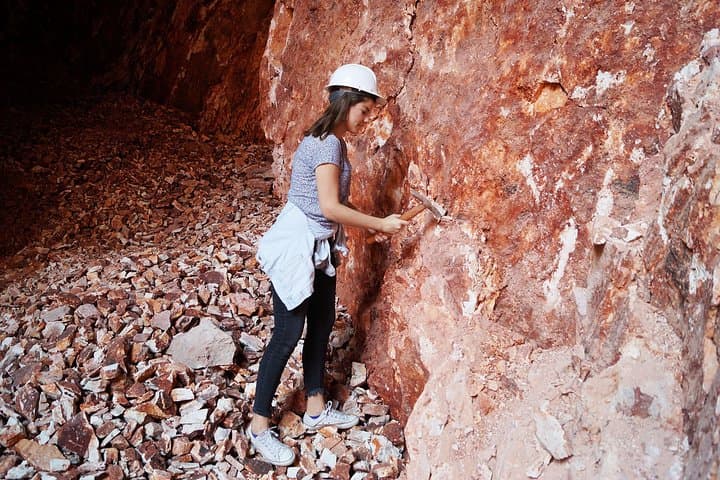
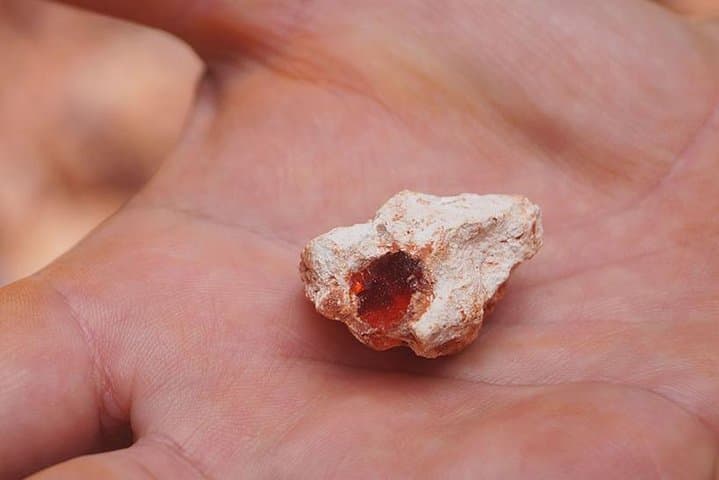
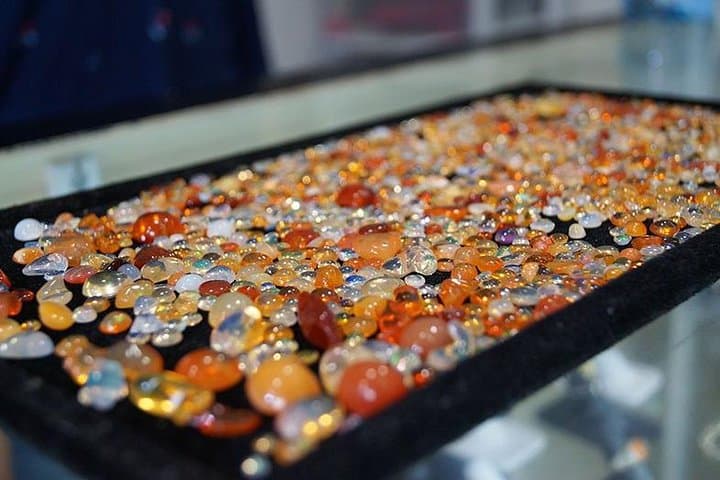
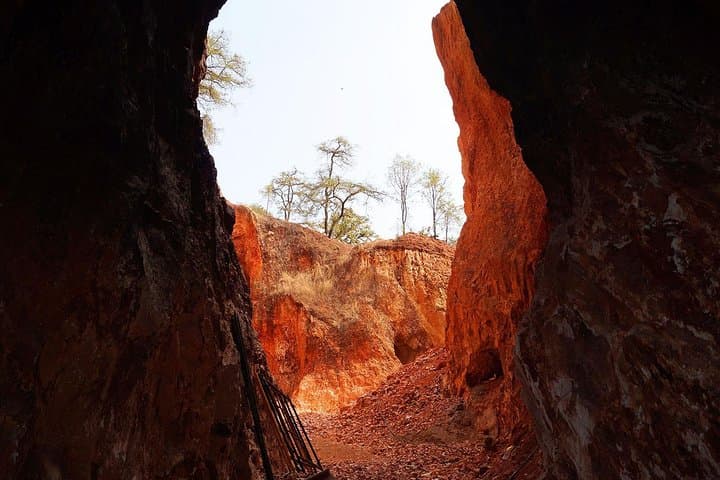
A mid-morning highway unwinds out of Guadalajara and the air shifts—dryer, edged with volcanic dust—as the van drops you on the main street of Magdalena. You start in a compact opal shop where glass cases glow; then the guide leads out into the rough, open cut of an opal mine, where hands sift gravel and sunlight brings flashes of fire from stone.
A mid-morning highway unwinds out of Guadalajara and the air shifts—dryer, edged with volcanic dust—as the van drops you on the main street of Magdalena. You start in a compact opal shop where glass cases glow; then the guide leads out into the rough, open cut of an opal mine, where hands sift gravel and sunlight brings flashes of fire from stone.
The region sits on the western edge of Mexico’s volcanic belt. Opal here forms when silica-rich fluids filled cavities in ash and tuff; obsidian—volcanic glass—occurs where lava cooled fast, leaving jet-black sheets that catch light differently than the opals. Magdalena’s lapidary culture grew in the 20th century as miners and craftsmen turned local rough into inlaid jewelry sold across Jalisco.
Expect close contact with working mines and small-town life: dusty roads, family-run workshops, and a downtown restaurant serving simple, hearty Mexican fare for lunch. The tour balances hands-on gem hunting with geological context and local buying opportunities.
Practical tips: wear closed-toe shoes and pants (mine surfaces are uneven), bring sunscreen and at least 1–2 liters of water, and carry cash for small purchases. Cameras are fine but follow guide directions near unstable edges. Physical demands are moderate—short walks on loose scree and steps into shallow excavations.
A private tour condenses geology, craft, and commerce into one day—ideal for travelers wanting a tactile connection to the earth, an opportunity to learn how gems are found, and a chance to support local artisans.