THE ADVENTURE COLLECTIVE® · Independent discovery and booking for outdoor travel

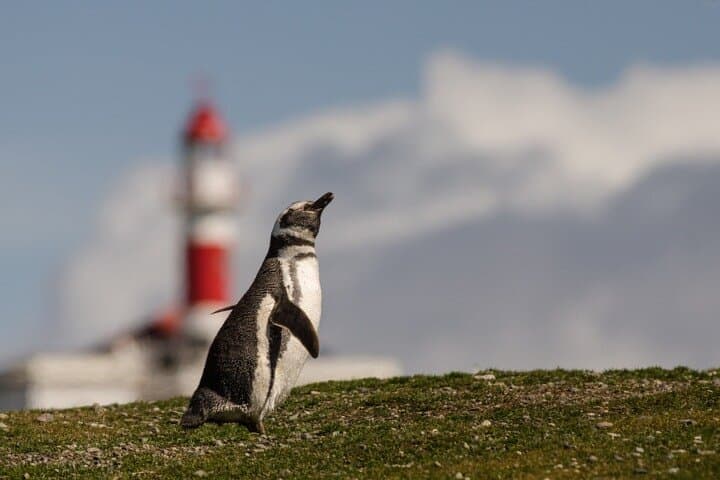
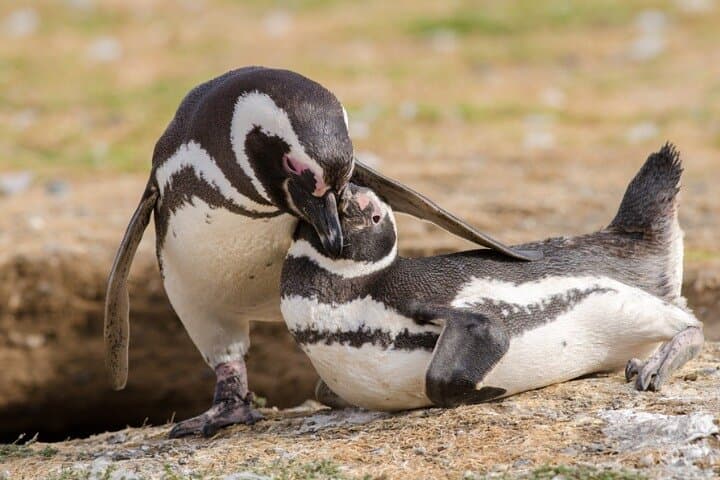
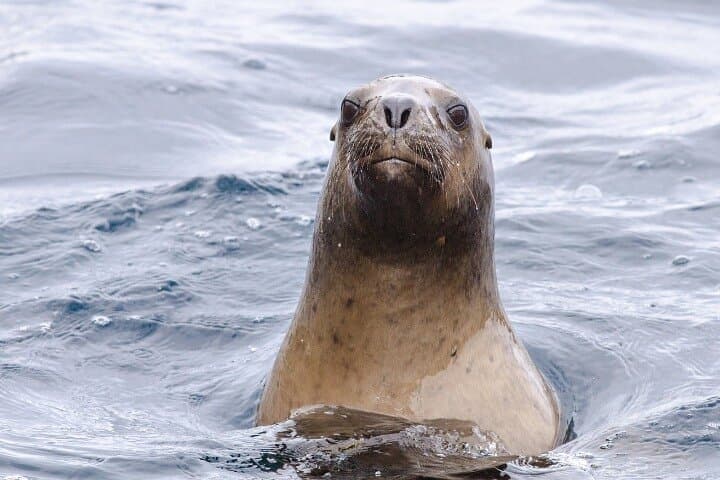
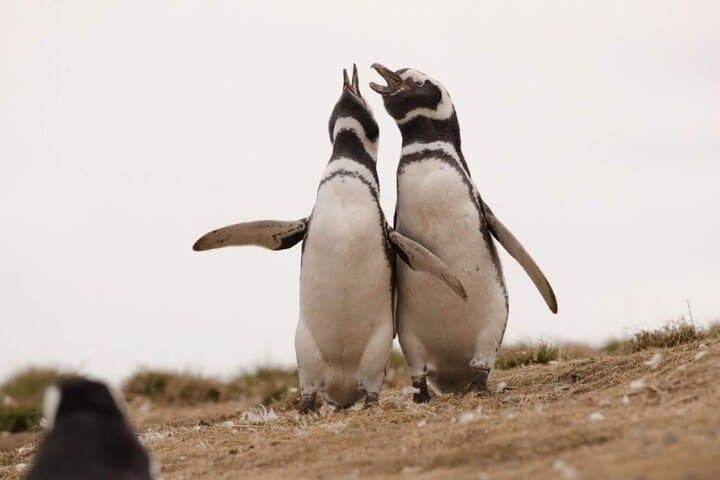
Sail the historic Strait of Magellan to walk among tens of thousands of Magellanic penguins on Magdalena Island and observe sea lions at Marta Island. This half‑day boat excursion blends fast coastal navigation with short guided walks and focused wildlife viewing.
Sail the historic Strait of Magellan to walk among tens of thousands of Magellanic penguins on Magdalena Island and observe sea lions at Marta Island. This half‑day boat excursion blends fast coastal navigation with short guided walks and focused wildlife viewing.
Dawn breaks over the Strait of Magellan and the boat cuts a cold line through glinting water. Wind pushes at your jacket, and the islands that appear on the horizon feel older than maps—rock and scrub shaped by ice and current. On Magdalena Island you step onto a low bluff and the colony moves around you: penguins trotting, preening, and returning to burrows they’ve used for generations.
Verified experiences and guided adventures in the surrounding area.
Operated by Ni Lo Pienses Tour · Punta Arenas, Magallanes Region
Dawn breaks over the Strait of Magellan and the boat cuts a cold line through glinting water. Wind pushes at your jacket, and the islands that appear on the horizon feel older than maps—rock and scrub shaped by ice and current. On Magdalena Island you step onto a low bluff and the colony moves around you: penguins trotting, preening, and returning to burrows they’ve used for generations.
This coastline is carved by glacial epochs and human history; explorers like Ferdinand Magellan navigated these channels centuries ago, and Punta Arenas later grew as a trading and sheep‑farming port. The islands’ geology is rugged schist and volcanic ash, a working edge where seabirds, seals, and penguins exploit every ledge. Local culture in Punta Arenas still bears maritime rhythms—fishermen, guides, and small museums keep the Strait’s stories alive.
Practically, expect a fast boat transfer (roughly 45 minutes), short guided walks, and wildlife viewing from close but respectful distances. Wear windproof layers, sturdy waterproof shoes, and plan for sea spray and sudden sun. Guides will point out Magellanic penguins, imperial cormorants, and sea lions, and brief you on etiquette: no touching, no feeding, and keep to designated paths.
Timing matters—calmer mornings increase chances of cetacean sightings, while breeding season brings the largest penguin numbers. Bring binoculars, a charged camera, motion‑sickness remedies if you’re sensitive, and patience; wildlife doesn’t perform on schedule but it rewards quiet attention.
easy.
5 hours.
Light — you should manage short, flat walks and boat transfers; minimal endurance required
The crossing from Bahía Laredo to Magdalena Island is about 45 minutes, weather permitting.
No—interaction is prohibited; guides enforce a strict no‑touch, no‑feed policy to protect wildlife.
Yes, the activity is rated easy and suitable for families, though infants must sit on a lap and close supervision is required near wildlife.
If bad weather prevents the trip, operators typically offer an alternative date or a full refund per the cancellation policy.
The Strait of Magellan has been a crucial global navigation route since the 16th century; Punta Arenas later developed as a supply and sheep‑exporting port, anchoring human presence in the region.
Strict viewing rules protect breeding sites—stay on paths, keep noise low, and avoid disturbing colonies to reduce stress on wildlife.
Ni Lo Pienses Tour operates guided outdoor trips and adventures with an emphasis on safety, stewardship, and memorable experiences.
Dawn breaks over the Strait of Magellan and the boat cuts a cold line through glinting water. Wind pushes at your jacket, and the islands that appear on the horizon feel older than maps—rock and scrub shaped by ice and current. On Magdalena Island you step onto a low bluff and the colony moves around you: penguins trotting, preening, and returning to burrows they’ve used for generations.
Dawn breaks over the Strait of Magellan and the boat cuts a cold line through glinting water. Wind pushes at your jacket, and the islands that appear on the horizon feel older than maps—rock and scrub shaped by ice and current. On Magdalena Island you step onto a low bluff and the colony moves around you: penguins trotting, preening, and returning to burrows they’ve used for generations.
This coastline is carved by glacial epochs and human history; explorers like Ferdinand Magellan navigated these channels centuries ago, and Punta Arenas later grew as a trading and sheep‑farming port. The islands’ geology is rugged schist and volcanic ash, a working edge where seabirds, seals, and penguins exploit every ledge. Local culture in Punta Arenas still bears maritime rhythms—fishermen, guides, and small museums keep the Strait’s stories alive.
Practically, expect a fast boat transfer (roughly 45 minutes), short guided walks, and wildlife viewing from close but respectful distances. Wear windproof layers, sturdy waterproof shoes, and plan for sea spray and sudden sun. Guides will point out Magellanic penguins, imperial cormorants, and sea lions, and brief you on etiquette: no touching, no feeding, and keep to designated paths.
Timing matters—calmer mornings increase chances of cetacean sightings, while breeding season brings the largest penguin numbers. Bring binoculars, a charged camera, motion‑sickness remedies if you’re sensitive, and patience; wildlife doesn’t perform on schedule but it rewards quiet attention.