THE ADVENTURE COLLECTIVE® · Independent discovery and booking for outdoor travel

Step ashore Magdalena Island and walk among one of Chile’s largest Magellanic penguin colonies. This 4–5 hour navigation from Punta Arenas pairs close wildlife viewing with coastal geology and straightforward fieldcraft.
Step ashore Magdalena Island and walk among one of Chile’s largest Magellanic penguin colonies. This 4–5 hour navigation from Punta Arenas pairs close wildlife viewing with coastal geology and straightforward fieldcraft.
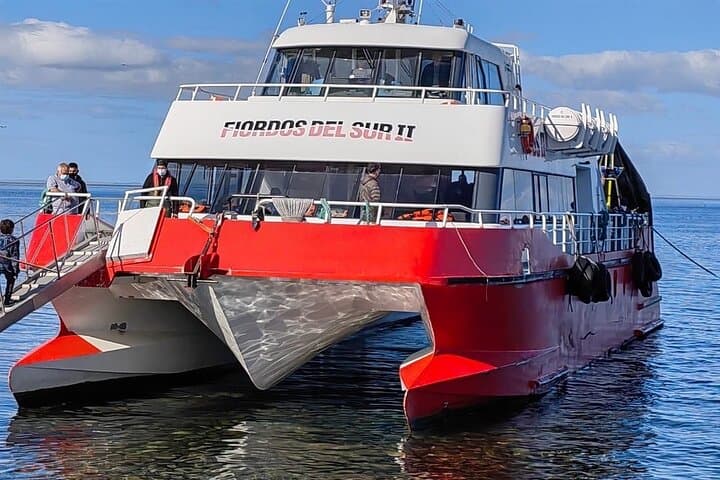
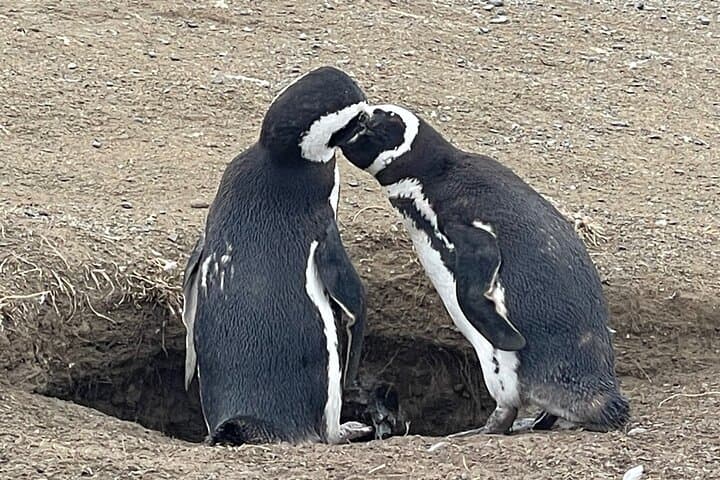
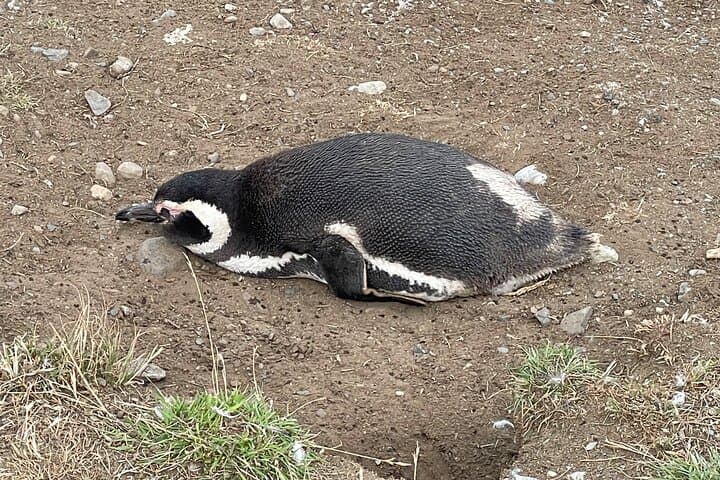
A low-hummed cutter slips through the Strait of Magellan and the wind sharpens, salt tasting of distance and ice. On Magdalena Island the land rises in short, rocky ridges and gravel beaches, and a black-and-white congress of Magellanic penguins greets each landing like a poured crowd. Travelers step from the boat onto marked paths where penguins shuffle, preen, and bob with an indifferent curiosity that makes cameras click.
Verified experiences and guided adventures in the surrounding area.
Operated by Turismo Viento del Sur · Punta Arenas, Magallanes y la Antártica Chilena
A low-hummed cutter slips through the Strait of Magellan and the wind sharpens, salt tasting of distance and ice. On Magdalena Island the land rises in short, rocky ridges and gravel beaches, and a black-and-white congress of Magellanic penguins greets each landing like a poured crowd. Travelers step from the boat onto marked paths where penguins shuffle, preen, and bob with an indifferent curiosity that makes cameras click.
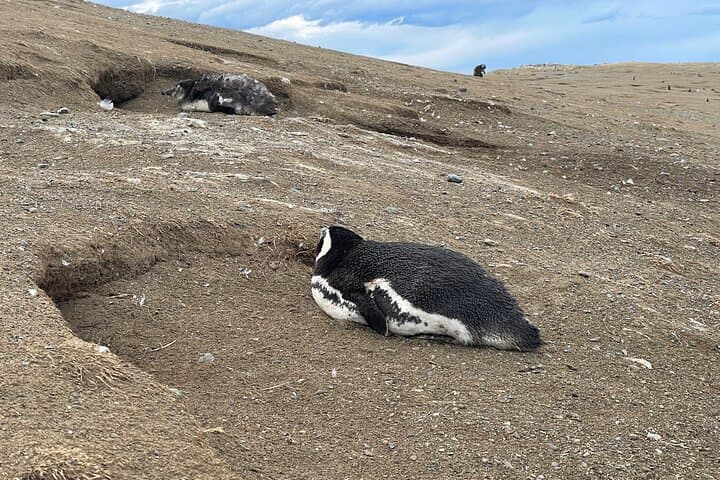
The island’s human history ties to the great sea lanes of southern Chile — lighthouse keepers, sailors, and the occasional explorer left brief footprints here while seabirds established long-term colonies. Geologically the island is shaped by glacial scouring and strong marine erosion; low cliffs and pebbled shores give way to tussock grasses that the penguins use for nesting.
Culturally, excursions from Punta Arenas emphasize education and protection: guides keep groups to defined tracks and brief observation windows to limit stress on wildlife. Expect interpretive stops about penguin life cycles, local seabirds, and the Strait’s role in Patagonian navigation.
Practically, the walk is moderate: uneven ground, occasional wind-driven spray, and close encounters with wildlife. Wear windproof layers and sturdy, waterproof shoes, and carry a camera with protective covering. Tours run about 4–5 hours including transit; sea conditions can alter timing and landings. Respect roped routes, keep distance (do not touch), and follow guides’ safety briefings. For photographers, low light and active birds reward patience; for planners, book in Punta Arenas and allow a buffer day for weather or cancellations. Magdalena Island delivers a compact, authentic encounter with Magellanic penguins — immediate, educational, and decisively Patagonia.
moderate.
4–5 hours.
Moderate fitness needed: able to walk uneven ground for 30–60 minutes and manage short inclines.
The full excursion is about 4–5 hours including boat transit; onshore walks typically last 30–60 minutes along marked trails.
Guides keep visitors on roped paths that bring you close enough for excellent photos while minimizing disturbance—do not touch or chase animals.
Infants and small children can attend; however, terrain is uneven so strollers may be limited to boardwalks or not advisable off the main landing area.
Yes—operators monitor sea and wind conditions; voyages can be canceled or rescheduled for safety and animal protection.
Magdalena Island sits along historic Patagonian sea routes; the island and nearby lighthouse guided sailors through the treacherous Strait of Magellan for over a century.
Tours operate under rules to minimize nesting disturbance and litter; visitors should follow leave-no-trace practices and avoid feeding wildlife.
Turismo Viento del Sur operates guided outdoor trips and adventures with an emphasis on safety, stewardship, and memorable experiences.
A low-hummed cutter slips through the Strait of Magellan and the wind sharpens, salt tasting of distance and ice. On Magdalena Island the land rises in short, rocky ridges and gravel beaches, and a black-and-white congress of Magellanic penguins greets each landing like a poured crowd. Travelers step from the boat onto marked paths where penguins shuffle, preen, and bob with an indifferent curiosity that makes cameras click.
A low-hummed cutter slips through the Strait of Magellan and the wind sharpens, salt tasting of distance and ice. On Magdalena Island the land rises in short, rocky ridges and gravel beaches, and a black-and-white congress of Magellanic penguins greets each landing like a poured crowd. Travelers step from the boat onto marked paths where penguins shuffle, preen, and bob with an indifferent curiosity that makes cameras click.
The island’s human history ties to the great sea lanes of southern Chile — lighthouse keepers, sailors, and the occasional explorer left brief footprints here while seabirds established long-term colonies. Geologically the island is shaped by glacial scouring and strong marine erosion; low cliffs and pebbled shores give way to tussock grasses that the penguins use for nesting.
Culturally, excursions from Punta Arenas emphasize education and protection: guides keep groups to defined tracks and brief observation windows to limit stress on wildlife. Expect interpretive stops about penguin life cycles, local seabirds, and the Strait’s role in Patagonian navigation.
Practically, the walk is moderate: uneven ground, occasional wind-driven spray, and close encounters with wildlife. Wear windproof layers and sturdy, waterproof shoes, and carry a camera with protective covering. Tours run about 4–5 hours including transit; sea conditions can alter timing and landings. Respect roped routes, keep distance (do not touch), and follow guides’ safety briefings. For photographers, low light and active birds reward patience; for planners, book in Punta Arenas and allow a buffer day for weather or cancellations. Magdalena Island delivers a compact, authentic encounter with Magellanic penguins — immediate, educational, and decisively Patagonia.