THE ADVENTURE COLLECTIVE® · Independent discovery and booking for outdoor travel

Spend a full day traveling from Los Cabos into Bahía Magdalena to watch gray whales in their winter nursery. This long, guided boat trip offers close observation of mothers and calves between January and March—bring layers, motion‑sickness medicine, and binoculars.
Spend a full day traveling from Los Cabos into Bahía Magdalena to watch gray whales in their winter nursery. This long, guided boat trip offers close observation of mothers and calves between January and March—bring layers, motion‑sickness medicine, and binoculars.
You step off an air‑conditioned vehicle into the salt‑bright air of the Pacific coast and the bay opens like a quiet theater. Boats cut glassy water, and the low, rounded backs of gray whales surface and roll—breathing, flicking silt from themselves as if to invite attention. The day feels long and good; the ocean dares you to sit very still and watch.
Verified experiences and guided adventures in the surrounding area.
Operated by Trip To Mexico · Puerto San Carlos, Baja California Sur
You step off an air‑conditioned vehicle into the salt‑bright air of the Pacific coast and the bay opens like a quiet theater. Boats cut glassy water, and the low, rounded backs of gray whales surface and roll—breathing, flicking silt from themselves as if to invite attention. The day feels long and good; the ocean dares you to sit very still and watch.
Bahía Magdalena is one of the Pacific breeding and calving lagoons for Eastern North Pacific gray whales. Formed by the Baja peninsula’s tectonic history and protected by barrier islands, the shallow waters warm in winter, creating nursery grounds that have supported both Indigenous fishing cultures and local coastal villages for centuries. Small coastal communities around Puerto San Carlos and Isla Magdalena hold a working relationship with the sea—fishers, guides and naturalists who read whale movement like weather.
On a full‑day trip from Los Cabos you’ll travel into the bay with a local skipper, watching for blows, tail slaps and the tentative curiosity of mothers and calves. Guides emphasize patient approaches—no chasing—and chances to observe calf behavior are highest January–March. Expect salt spray, intermittent engine hum, and long stretches of quiet observation broken by sudden, close-up exhales.
Practical tips: book during peak months, bring layered windproof clothing and motion‑sickness remedies, and carry binoculars and sun protection. Respect wildlife protocols—stay with the group, follow your guide’s distance rules, and plan for a 10–13 hour day including road transfers. When the whales roll and nudge, the experience is elemental: a slow, powerful conversation between animal and sea that you witness rather than control.
moderate.
12–13 hours.
Moderate fitness for long days, boat transfers and occasional short walks at embarkation points.
Peak sightings and calving occur January through March; January–February typically offer the highest density of mothers and newborn calves.
Touching wild whales is strongly discouraged and often against local guidelines; guides will instruct you to observe without physical contact for the animals’ safety.
The full experience is a long day—about 12–13 hours total—and usually includes private, air‑conditioned pickup and return from Los Cabos in the tour price.
Operators may still run if conditions are safe; check cancellation policies before booking—this tour lists all sales final, so confirm flexibility with your provider.
Local fishing communities have guided and observed gray whale migrations for generations; Bahía Magdalena’s lagoons have been recognized as vital calving sites since early scientific surveys in the 20th century.
Gray whales are a conservation success story, but responsible viewing—no chasing, slow approaches and limited group sizes—remains essential to protect mothers and calves.
Trip To Mexico operates guided outdoor trips and adventures with an emphasis on safety, stewardship, and memorable experiences.


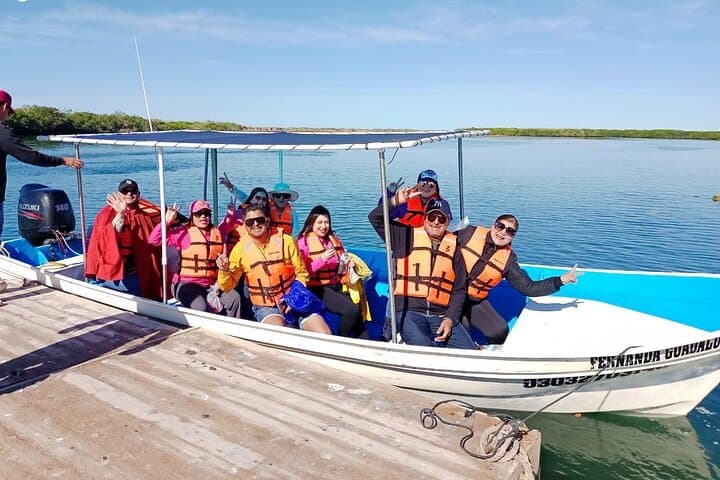
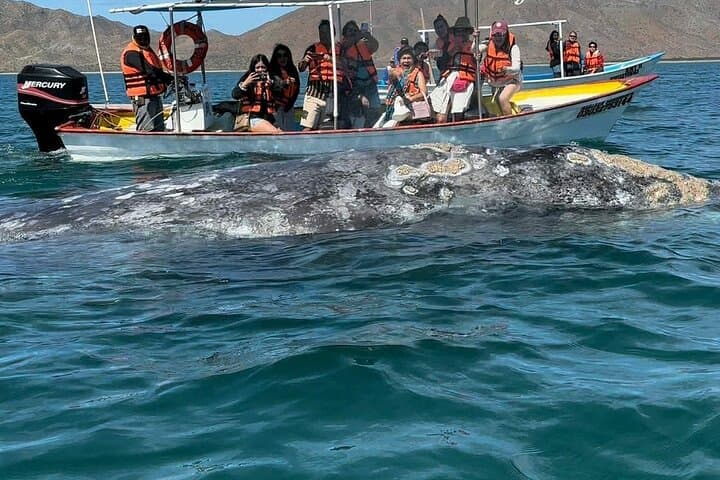
You step off an air‑conditioned vehicle into the salt‑bright air of the Pacific coast and the bay opens like a quiet theater. Boats cut glassy water, and the low, rounded backs of gray whales surface and roll—breathing, flicking silt from themselves as if to invite attention. The day feels long and good; the ocean dares you to sit very still and watch.
You step off an air‑conditioned vehicle into the salt‑bright air of the Pacific coast and the bay opens like a quiet theater. Boats cut glassy water, and the low, rounded backs of gray whales surface and roll—breathing, flicking silt from themselves as if to invite attention. The day feels long and good; the ocean dares you to sit very still and watch.
Bahía Magdalena is one of the Pacific breeding and calving lagoons for Eastern North Pacific gray whales. Formed by the Baja peninsula’s tectonic history and protected by barrier islands, the shallow waters warm in winter, creating nursery grounds that have supported both Indigenous fishing cultures and local coastal villages for centuries. Small coastal communities around Puerto San Carlos and Isla Magdalena hold a working relationship with the sea—fishers, guides and naturalists who read whale movement like weather.
On a full‑day trip from Los Cabos you’ll travel into the bay with a local skipper, watching for blows, tail slaps and the tentative curiosity of mothers and calves. Guides emphasize patient approaches—no chasing—and chances to observe calf behavior are highest January–March. Expect salt spray, intermittent engine hum, and long stretches of quiet observation broken by sudden, close-up exhales.
Practical tips: book during peak months, bring layered windproof clothing and motion‑sickness remedies, and carry binoculars and sun protection. Respect wildlife protocols—stay with the group, follow your guide’s distance rules, and plan for a 10–13 hour day including road transfers. When the whales roll and nudge, the experience is elemental: a slow, powerful conversation between animal and sea that you witness rather than control.