THE ADVENTURE COLLECTIVE® · Independent discovery and booking for outdoor travel

Two days in Magdalena Bay follow gray whales into a sheltered nursery of mangroves and dunes. This guided expedition from Cabo includes two 2.5-hour boat tours, local meals, and an overnight in López Mateos.
Two days in Magdalena Bay follow gray whales into a sheltered nursery of mangroves and dunes. This guided expedition from Cabo includes two 2.5-hour boat tours, local meals, and an overnight in López Mateos.
You step off the coach into wind-etched sand and a sky the color of raw silver—Magdalena Bay opens like a quiet harbor, mangrove fingers probing the shallow lagoon and dunes shaping the horizon. The air smells of salt and grilled fish; fishing boats rock gently as guides load binoculars and cooler boxes. For two days you move at the whales’ pace: early-morning runs across glassy channels and late-afternoon rides when juveniles surface close to the bow, curious and slow.
Verified experiences and guided adventures in the surrounding area.
Operated by Cabo Trek · Lopez Mateos, Baja California Sur
You step off the coach into wind-etched sand and a sky the color of raw silver—Magdalena Bay opens like a quiet harbor, mangrove fingers probing the shallow lagoon and dunes shaping the horizon. The air smells of salt and grilled fish; fishing boats rock gently as guides load binoculars and cooler boxes. For two days you move at the whales’ pace: early-morning runs across glassy channels and late-afternoon rides when juveniles surface close to the bow, curious and slow.
The bay has been a seasonal nursery for eastern North Pacific gray whales for centuries. Geologically, the lagoon is a shallow coastal plain, formed by sediment from rivers and wind-blown dunes that create sheltered channels where whales can calve and rest. The local community—small fishing families centered in López Mateos—has built a culture around the sea, combining traditional seafood cuisine with guiding knowledge passed down through generations.
Expect two guided boat tours of about 2.5 hours each, time ashore at sand dunes and a night in a family-run bed-and-breakfast. Wildlife is the draw, but the experience is as much about fragile coastal ecosystems and human stewardship as it is about dramatic blows and flukes.
Practical tips: travel light, bring layered windproof clothing, motion-sickness medication if you’re prone, and waterproof pockets for cameras. Tours run December–March when whales are present; bookings often require a minimum group size and include meals and transport from Cabo. Respect distance rules, follow guide instructions, and carry cash for small purchases in López Mateos.
easy.
2 days.
Suitable for travelers in average fitness; requires boarding small boats and short walks on sand dunes.
The primary season runs December through March, with December–February offering the most reliable close encounters and calmer seas.
Encounters vary; curious whales sometimes approach within a few meters, but guided tours follow protocols and local regulations to avoid harassment.
The tour is described as physically easy and suitable for most ages, but small-boat motion and long drives may be challenging for very young children or guests with mobility issues.
Typical inclusions are land transport from Cabo, two guided whale-watching tours (~2.5 hours each), two lunches, dinner, breakfast, and one night’s family-run accommodation.
Magdalena Bay has long been a seasonal calving area for eastern North Pacific gray whales and is tied to local fishing communities that have guided visitors for decades.
The bay is ecologically sensitive; responsible guiding practices and limit-on-contact approaches help protect mothers and calves and minimize disturbance to bird habitat.
Cabo Trek operates guided outdoor trips and adventures with an emphasis on safety, stewardship, and memorable experiences.
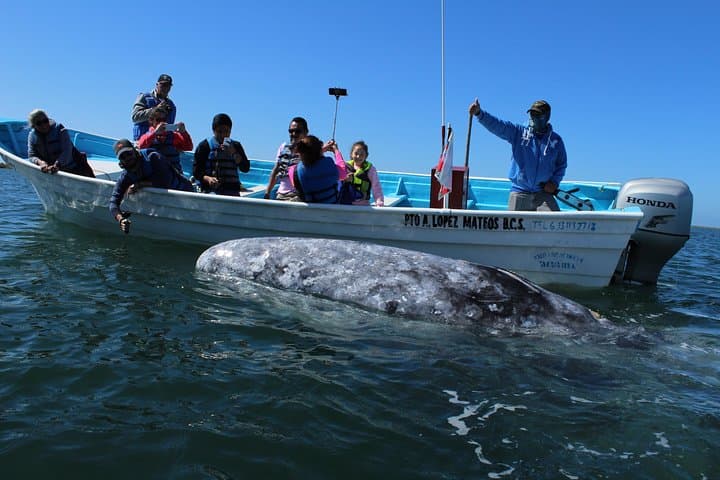
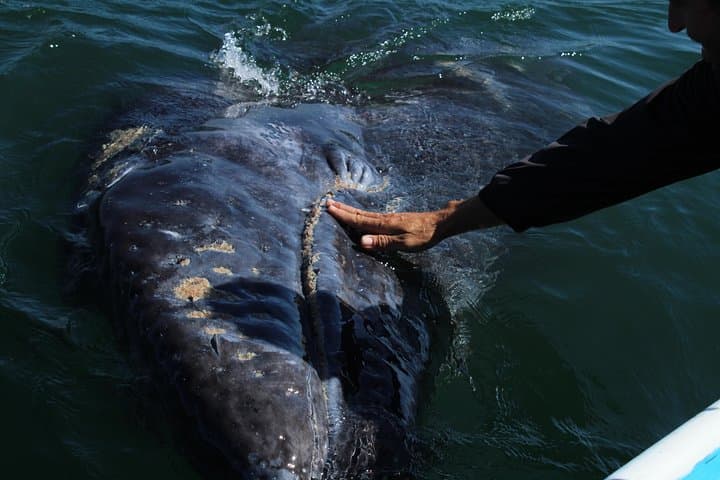
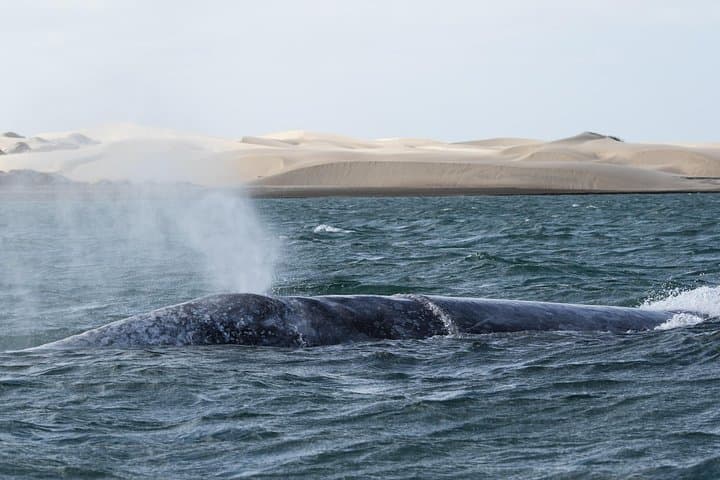
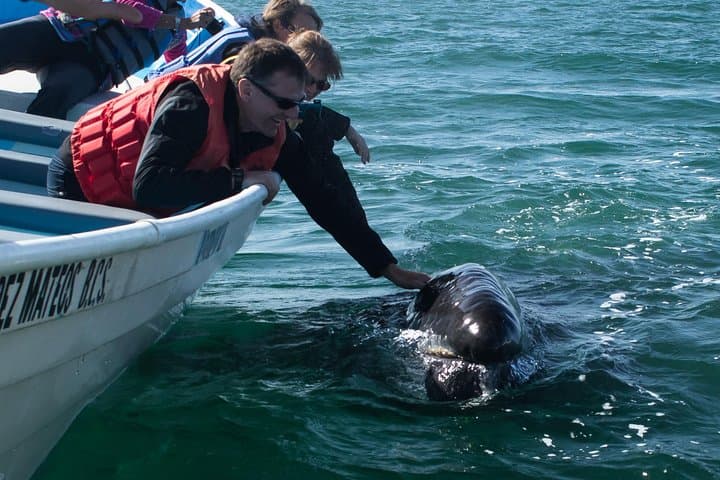
You step off the coach into wind-etched sand and a sky the color of raw silver—Magdalena Bay opens like a quiet harbor, mangrove fingers probing the shallow lagoon and dunes shaping the horizon. The air smells of salt and grilled fish; fishing boats rock gently as guides load binoculars and cooler boxes. For two days you move at the whales’ pace: early-morning runs across glassy channels and late-afternoon rides when juveniles surface close to the bow, curious and slow.
You step off the coach into wind-etched sand and a sky the color of raw silver—Magdalena Bay opens like a quiet harbor, mangrove fingers probing the shallow lagoon and dunes shaping the horizon. The air smells of salt and grilled fish; fishing boats rock gently as guides load binoculars and cooler boxes. For two days you move at the whales’ pace: early-morning runs across glassy channels and late-afternoon rides when juveniles surface close to the bow, curious and slow.
The bay has been a seasonal nursery for eastern North Pacific gray whales for centuries. Geologically, the lagoon is a shallow coastal plain, formed by sediment from rivers and wind-blown dunes that create sheltered channels where whales can calve and rest. The local community—small fishing families centered in López Mateos—has built a culture around the sea, combining traditional seafood cuisine with guiding knowledge passed down through generations.
Expect two guided boat tours of about 2.5 hours each, time ashore at sand dunes and a night in a family-run bed-and-breakfast. Wildlife is the draw, but the experience is as much about fragile coastal ecosystems and human stewardship as it is about dramatic blows and flukes.
Practical tips: travel light, bring layered windproof clothing, motion-sickness medication if you’re prone, and waterproof pockets for cameras. Tours run December–March when whales are present; bookings often require a minimum group size and include meals and transport from Cabo. Respect distance rules, follow guide instructions, and carry cash for small purchases in López Mateos.