THE ADVENTURE COLLECTIVE® · Independent discovery and booking for outdoor travel

Walk through Mafalala with a private guide to hear neighborhood histories, visit the Mafalala Museum, and sample daily life in one of Maputo’s most culturally significant quarters. Practical tips on timing, cash, and respectful photography keep the focus local.
Walk through Mafalala with a private guide to hear neighborhood histories, visit the Mafalala Museum, and sample daily life in one of Maputo’s most culturally significant quarters. Practical tips on timing, cash, and respectful photography keep the focus local.
You step off the shaded avenue and into Mafalala’s pulse: traders calling, a radio cadence rolling through narrow lanes, and the Indian Ocean breeze threading its way between corrugated roofs like a patient guide. On a private three-hour walk you move at a local rhythm—pausing at the Mafalala Museum, stepping into eating spots where cassava and peri-peri steam, and listening to guides whose stories give the neighborhood its shape.
Verified experiences and guided adventures in the surrounding area.
Operated by MTS: Managed Travel Services · Maputo, Maputo Province
You step off the shaded avenue and into Mafalala’s pulse: traders calling, a radio cadence rolling through narrow lanes, and the Indian Ocean breeze threading its way between corrugated roofs like a patient guide. On a private three-hour walk you move at a local rhythm—pausing at the Mafalala Museum, stepping into eating spots where cassava and peri-peri steam, and listening to guides whose stories give the neighborhood its shape.
Mafalala is a working-class quarter with outsized cultural influence. Built on the coastal plain of southern Mozambique, its history is woven through the anti-colonial movement and post-independence artistic revival; jazz, marrabenta and political poetry were honed on these streets. The buildings are simple—stucco facades and shotgun houses—yet they hold layered narratives about migration, labor and creativity.
Expect close-up cultural exchange more than distant sightseeing. The guide will point out murals and community spaces, explain local daily life, and outline social projects that sustain the neighborhood. The museum provides artifacts and oral histories that anchor what you see outside.
Practical guidance: wear sturdy, closed-toe shoes for uneven sidewalks and steps; bring small-denomination metical or cash for purchases and tipping; ask before photographing people; carry a refillable water bottle—the tour includes bottled water but staying hydrated in Maputo’s sun is non-negotiable. Morning or late-afternoon departures temper the heat and offer better light for photos. This walk is less about elevation and more about attention: move slowly, listen, and let the neighborhood’s voices lead your route.
easy.
3 hours.
Suitable for most fitness levels; requires standing and walking on uneven urban surfaces for up to three hours
The private tour lasts three hours and includes a guided neighborhood walk with visits to the Mafalala Museum, bottled water, and insights into local culture and history.
Yes—it's rated easy and suitable for most ages; infants must sit on laps per booking rules and everyone should be prepared for walking and urban noise.
Photography is allowed, but guides recommend asking residents before taking close-up portraits or photographing inside homes or private spaces.
Portions of Mafalala have uneven sidewalks and narrow lanes; accessibility may be limited—contact the operator to discuss specific mobility needs and possible adjustments.
Mafalala grew as a neighborhood of laborers and migrants during Portuguese rule and became a crucial cultural and political center during Mozambique’s independence movement.
Support local businesses, avoid single-use plastics, and follow guides’ directions to respect private property and fragile community spaces.
MTS: Managed Travel Services operates guided outdoor trips and adventures with an emphasis on safety, stewardship, and memorable experiences.
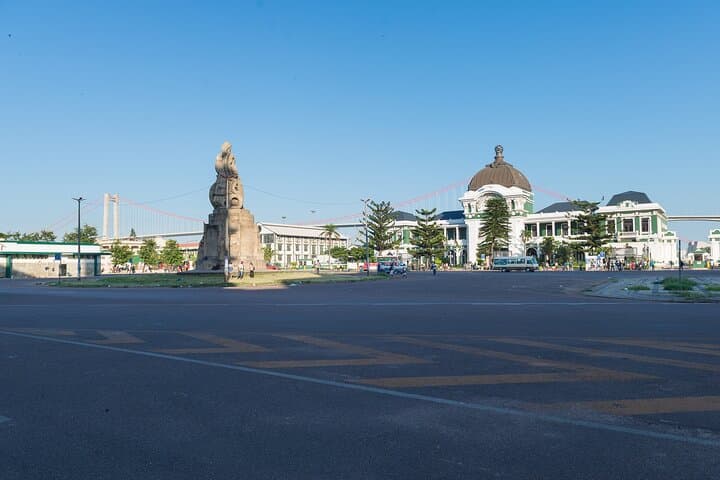

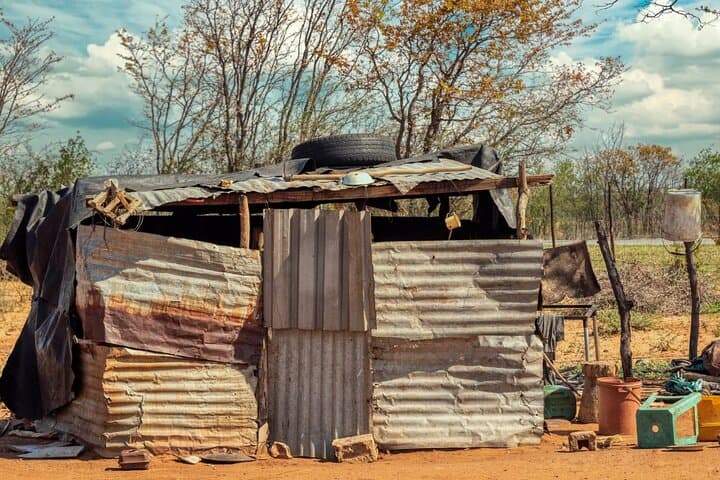
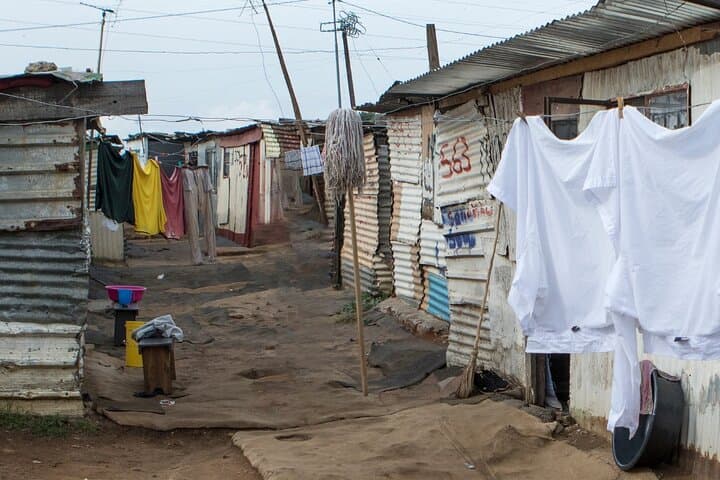
You step off the shaded avenue and into Mafalala’s pulse: traders calling, a radio cadence rolling through narrow lanes, and the Indian Ocean breeze threading its way between corrugated roofs like a patient guide. On a private three-hour walk you move at a local rhythm—pausing at the Mafalala Museum, stepping into eating spots where cassava and peri-peri steam, and listening to guides whose stories give the neighborhood its shape.
You step off the shaded avenue and into Mafalala’s pulse: traders calling, a radio cadence rolling through narrow lanes, and the Indian Ocean breeze threading its way between corrugated roofs like a patient guide. On a private three-hour walk you move at a local rhythm—pausing at the Mafalala Museum, stepping into eating spots where cassava and peri-peri steam, and listening to guides whose stories give the neighborhood its shape.
Mafalala is a working-class quarter with outsized cultural influence. Built on the coastal plain of southern Mozambique, its history is woven through the anti-colonial movement and post-independence artistic revival; jazz, marrabenta and political poetry were honed on these streets. The buildings are simple—stucco facades and shotgun houses—yet they hold layered narratives about migration, labor and creativity.
Expect close-up cultural exchange more than distant sightseeing. The guide will point out murals and community spaces, explain local daily life, and outline social projects that sustain the neighborhood. The museum provides artifacts and oral histories that anchor what you see outside.
Practical guidance: wear sturdy, closed-toe shoes for uneven sidewalks and steps; bring small-denomination metical or cash for purchases and tipping; ask before photographing people; carry a refillable water bottle—the tour includes bottled water but staying hydrated in Maputo’s sun is non-negotiable. Morning or late-afternoon departures temper the heat and offer better light for photos. This walk is less about elevation and more about attention: move slowly, listen, and let the neighborhood’s voices lead your route.