THE ADVENTURE COLLECTIVE® · Independent discovery and booking for outdoor travel

Float bamboo rafts, trek through rainforest trails and sleep in a Karen hill‑tribe village on this 3‑day Mae Wang adventure. Practical, guided and immersive—ideal for travelers who want cultural exchange and active jungle exploration.
Float bamboo rafts, trek through rainforest trails and sleep in a Karen hill‑tribe village on this 3‑day Mae Wang adventure. Practical, guided and immersive—ideal for travelers who want cultural exchange and active jungle exploration.
The first breath of the trip comes on the river: bamboo rafts bobbing as the current dares you to slow down and listen. By mid-morning the truck drops you at a small camp; the air shifts from road dust to green, leaves whispering above a trail that climbs into tropical foothills.
Verified experiences and guided adventures in the surrounding area.
Operated by Way to Bangkok · Mae Wang, Chiang Mai Province
The first breath of the trip comes on the river: bamboo rafts bobbing as the current dares you to slow down and listen. By mid-morning the truck drops you at a small camp; the air shifts from road dust to green, leaves whispering above a trail that climbs into tropical foothills.
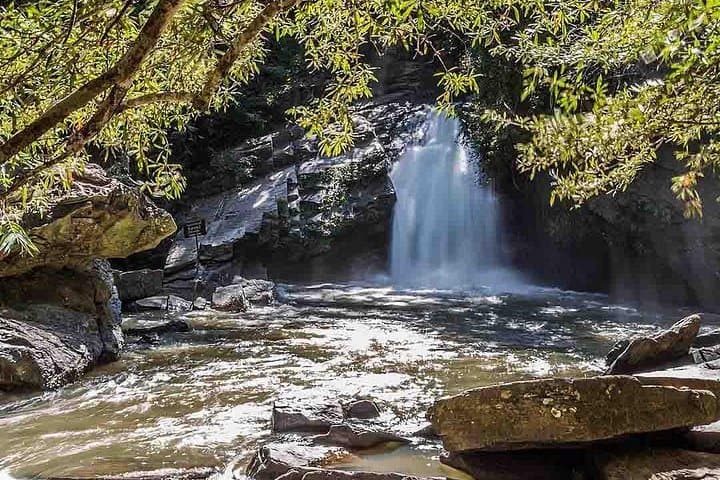
Mae Wang sits on the western flank of Chiang Mai province where volcanic soils meet older metamorphic ridges, producing steep, forested valleys and a dense understory. The route threads secondary rainforest, rivers cut clean channels to form swim-ready pools and a concealed waterfall—local Karen communities have lived here for generations, practicing upland rice cultivation and weaving as daily ritual.
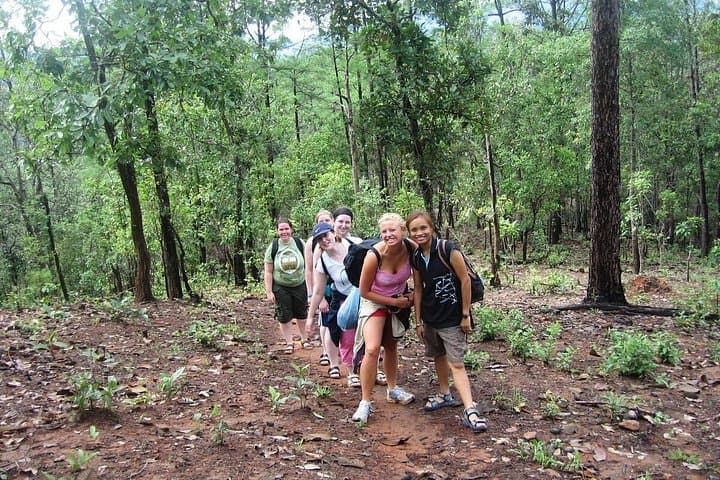
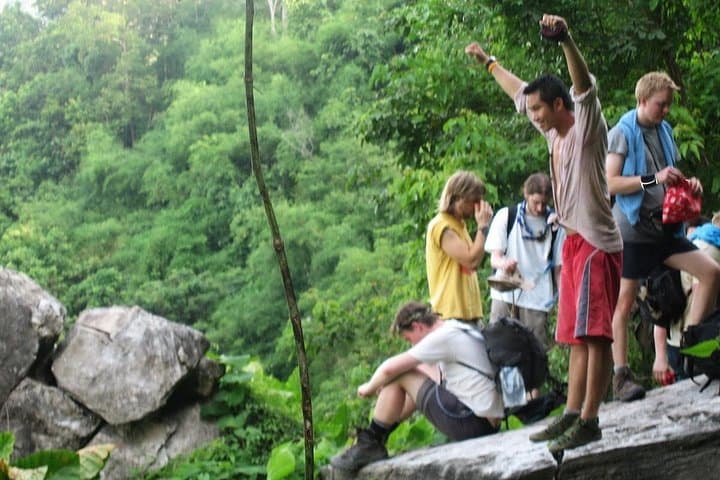
On this 3-day itinerary expect repeated short climbs and jungle steps: much of the trekking is moderate but sustained, with sections of slick stone near streams and rooted, uneven trail underfoot. Nights are spent in village huts and simple bamboo shelters near the falls, offering close cultural encounters and practical comforts rather than luxury.
Bring hydration, layered quick-dry clothing and a good pair of treaded hiking shoes; mosquito protection and a modest headlamp are useful for hut living. Plan departures early to avoid midday heat and to hit waterfalls when the light is best for swimming. Guides lead the route and manage logistics—this is a hands-on nature and culture experience, where the river, the jungle and the village each push you to slow, notice and participate.
moderate.
3 days.
Suitable for travelers with regular aerobic activity and ability to walk 4–6 hours a day on uneven terrain
Older children in good health who can hike 3–5 hours with breaks can manage the trip, but small children may find the terrain and overnight conditions challenging.
Accommodations are basic village huts and bamboo shelters—clean and authentic but without modern hotel amenities.
Three lunches and multiple breakfasts/dinners are included; inform the operator of dietary restrictions at booking so the guide can plan alternatives.
Bamboo rafting is guided and calm-water based; guides supply safety instructions and monitor river conditions—standard caution with children and non-swimmers applies.
Karen hill tribes have occupied these uplands for generations, maintaining shifting cultivation and communal rituals that shape landscape stewardship and local hospitality.
Stay on trails, avoid single‑use plastics and follow guide instructions to protect fragile stream banks and village water sources; local incomes depend on low-impact tourism.
Way to Bangkok operates guided outdoor trips and adventures with an emphasis on safety, stewardship, and memorable experiences.
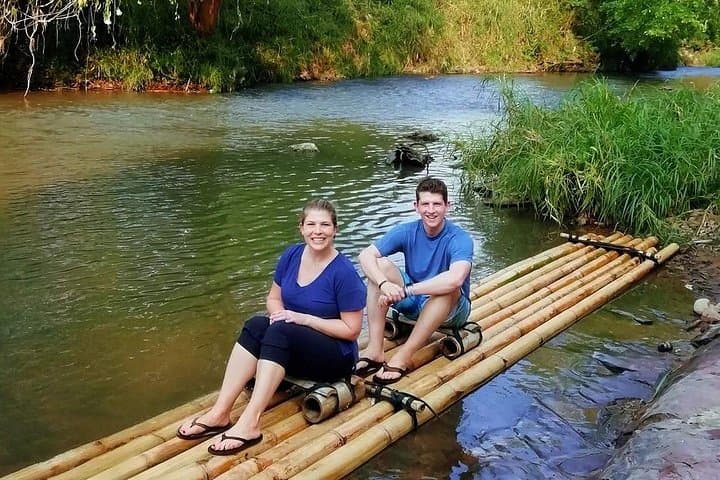
The first breath of the trip comes on the river: bamboo rafts bobbing as the current dares you to slow down and listen. By mid-morning the truck drops you at a small camp; the air shifts from road dust to green, leaves whispering above a trail that climbs into tropical foothills.
The first breath of the trip comes on the river: bamboo rafts bobbing as the current dares you to slow down and listen. By mid-morning the truck drops you at a small camp; the air shifts from road dust to green, leaves whispering above a trail that climbs into tropical foothills.
Mae Wang sits on the western flank of Chiang Mai province where volcanic soils meet older metamorphic ridges, producing steep, forested valleys and a dense understory. The route threads secondary rainforest, rivers cut clean channels to form swim-ready pools and a concealed waterfall—local Karen communities have lived here for generations, practicing upland rice cultivation and weaving as daily ritual.
On this 3-day itinerary expect repeated short climbs and jungle steps: much of the trekking is moderate but sustained, with sections of slick stone near streams and rooted, uneven trail underfoot. Nights are spent in village huts and simple bamboo shelters near the falls, offering close cultural encounters and practical comforts rather than luxury.
Bring hydration, layered quick-dry clothing and a good pair of treaded hiking shoes; mosquito protection and a modest headlamp are useful for hut living. Plan departures early to avoid midday heat and to hit waterfalls when the light is best for swimming. Guides lead the route and manage logistics—this is a hands-on nature and culture experience, where the river, the jungle and the village each push you to slow, notice and participate.