THE ADVENTURE COLLECTIVE® · Independent discovery and booking for outdoor travel

Float on a bamboo raft, trek through lowland rainforest, and spend nights with Karen villagers on this immersive 3-day Mae Wang adventure. Expect waterfall swims, rustic huts, and moderate jungle hiking over uneven terrain.
Float on a bamboo raft, trek through lowland rainforest, and spend nights with Karen villagers on this immersive 3-day Mae Wang adventure. Expect waterfall swims, rustic huts, and moderate jungle hiking over uneven terrain.
Morning light threads through high teak and bamboo as your truck climbs west from Chiang Mai and the city’s hum falls away. The Mae Wang River grows louder—its current urging a slow bamboo-raft start—before trails push you into the wet-green of lowland rainforest. Over three days you swap paved roads for mud tracks, find a hidden plunge pool below a shaded cascade, and cross paths with villagers whose lives follow the mountain’s rhythms.
Verified experiences and guided adventures in the surrounding area.
Operated by Sightseeingbangkok.com · Mae Wang, Chiang Mai
Morning light threads through high teak and bamboo as your truck climbs west from Chiang Mai and the city’s hum falls away. The Mae Wang River grows louder—its current urging a slow bamboo-raft start—before trails push you into the wet-green of lowland rainforest. Over three days you swap paved roads for mud tracks, find a hidden plunge pool below a shaded cascade, and cross paths with villagers whose lives follow the mountain’s rhythms.
Mae Wang sits on the western flank of the Shan Plateau where stream-cut valleys feed the Ping River system. The area’s soils and folded ridges support dense dipterocarp and bamboo forest, habitat that sustained local Karen hill-tribe communities for generations. Cultural exchanges with villagers include simple homestay life and stories about seasonal rice and forest use.
Practically, expect consecutive half-day treks (roughly 2–4 hours each segment), river crossings, and uneven jungle terrain that gets slick in rain. Nights are rustic: a Karen village homestay and a bamboo hut beside the waterfall provide basic bedding and local meals. Guides usually supply backpacks and coordinate transports; bring layered clothing, quick-dry gear, and water treatment. Mosquitoes and leeches can be active in wetter months; a headlamp and sturdy footwear are essential.
This trip suits travelers who want active immersion—river travel, village interaction, and backcountry walking—without technical climbing. Move deliberately, respect local customs, and leave no trace: the forest recovers when visitors tread lightly.
moderate.
3 days.
Moderately fit: able to hike 2–4 hours on uneven, sometimes steep trails with a daypack
Expect multiple segments of 2–4 hours on uneven jungle trails; moderate fitness and steady hiking experience are recommended.
Overnight stays are basic: shared homestay rooms in the Karen village and simple bamboo huts near the waterfall with local bedding and limited privacy.
Older children used to hiking may be fine, but infants and those with mobility issues are not recommended due to rough trails and limited facilities.
Typical inclusions: licensed English-speaking guide, meals as listed, accommodation, bamboo rafting, backpacks for trekking, accident insurance, and round-trip transfers from Chiang Mai hotels.
Mae Wang’s valley has long been a seasonal home for Karen communities and a corridor for upland agriculture tied to durable forest resources.
Visitors are encouraged to minimize plastic, follow designated trails to prevent erosion, and support village-run homestays that contribute directly to local livelihoods.
Sightseeingbangkok.com operates guided outdoor trips and adventures with an emphasis on safety, stewardship, and memorable experiences.
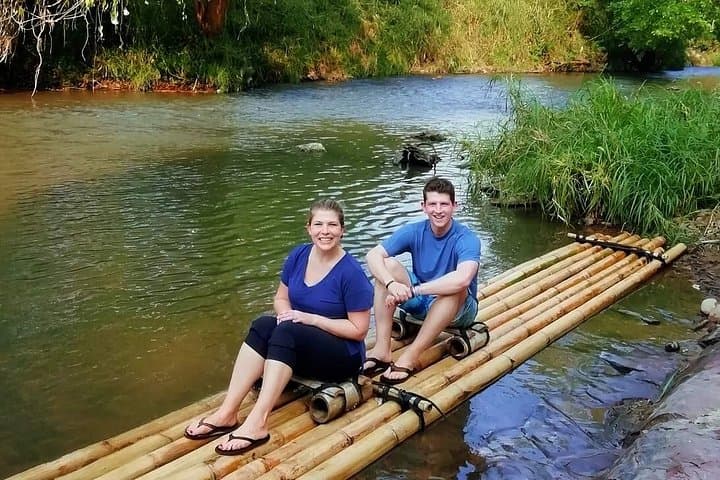
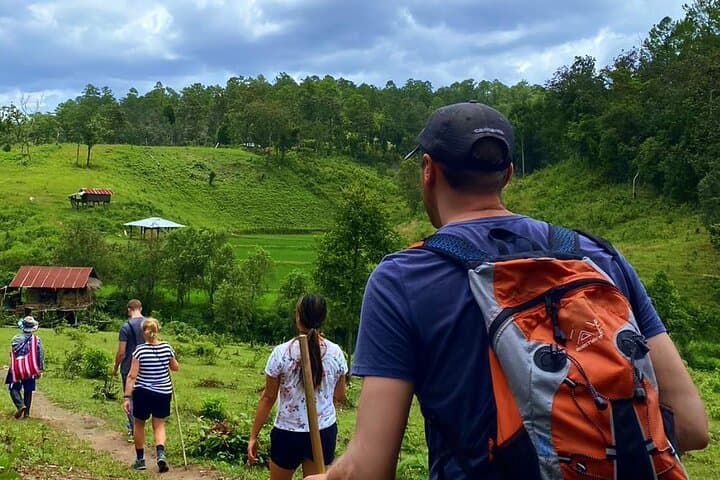
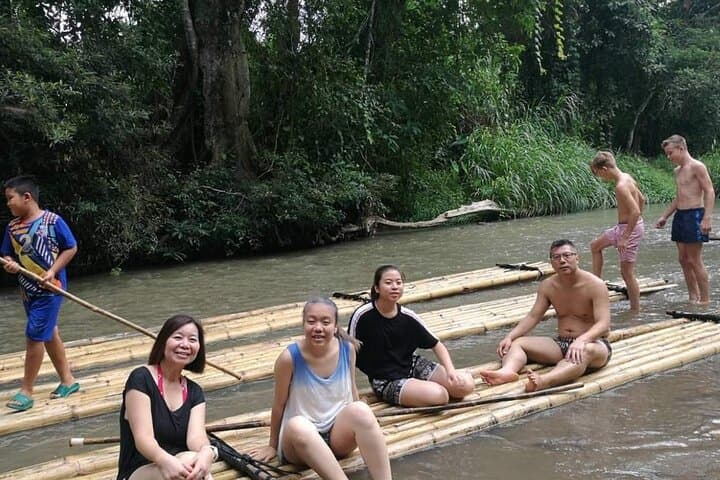
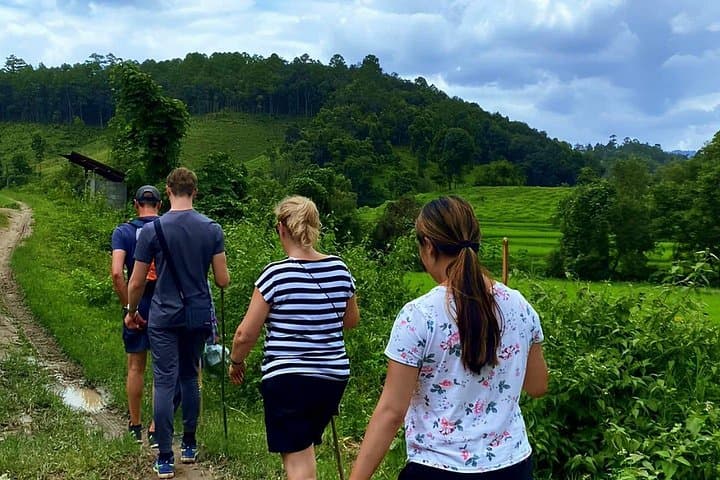
Morning light threads through high teak and bamboo as your truck climbs west from Chiang Mai and the city’s hum falls away. The Mae Wang River grows louder—its current urging a slow bamboo-raft start—before trails push you into the wet-green of lowland rainforest. Over three days you swap paved roads for mud tracks, find a hidden plunge pool below a shaded cascade, and cross paths with villagers whose lives follow the mountain’s rhythms.
Morning light threads through high teak and bamboo as your truck climbs west from Chiang Mai and the city’s hum falls away. The Mae Wang River grows louder—its current urging a slow bamboo-raft start—before trails push you into the wet-green of lowland rainforest. Over three days you swap paved roads for mud tracks, find a hidden plunge pool below a shaded cascade, and cross paths with villagers whose lives follow the mountain’s rhythms.
Mae Wang sits on the western flank of the Shan Plateau where stream-cut valleys feed the Ping River system. The area’s soils and folded ridges support dense dipterocarp and bamboo forest, habitat that sustained local Karen hill-tribe communities for generations. Cultural exchanges with villagers include simple homestay life and stories about seasonal rice and forest use.
Practically, expect consecutive half-day treks (roughly 2–4 hours each segment), river crossings, and uneven jungle terrain that gets slick in rain. Nights are rustic: a Karen village homestay and a bamboo hut beside the waterfall provide basic bedding and local meals. Guides usually supply backpacks and coordinate transports; bring layered clothing, quick-dry gear, and water treatment. Mosquitoes and leeches can be active in wetter months; a headlamp and sturdy footwear are essential.
This trip suits travelers who want active immersion—river travel, village interaction, and backcountry walking—without technical climbing. Move deliberately, respect local customs, and leave no trace: the forest recovers when visitors tread lightly.