THE ADVENTURE COLLECTIVE® · Independent discovery and booking for outdoor travel

Float on a bamboo raft, trek shaded jungle trails and sleep in a Karen hill-tribe village on this active 3-day Mae Wang itinerary. Practical, immersive, and suited to travelers with moderate fitness.
Float on a bamboo raft, trek shaded jungle trails and sleep in a Karen hill-tribe village on this active 3-day Mae Wang itinerary. Practical, immersive, and suited to travelers with moderate fitness.
The morning truck kicks up red-dust as it bends away from Chiang Mai and the jungle tightens around the road—rice terraces give way to steeper ridgelines and a river that dares you to slow down. By mid-morning you push off on a bamboo raft, river currents nudging the raft through shaded pools while the guide points out orchids clinging to the banks.
Verified experiences and guided adventures in the surrounding area.
Operated by Sunleisure World · Mae Wang, Chiang Mai Province
The morning truck kicks up red-dust as it bends away from Chiang Mai and the jungle tightens around the road—rice terraces give way to steeper ridgelines and a river that dares you to slow down. By mid-morning you push off on a bamboo raft, river currents nudging the raft through shaded pools while the guide points out orchids clinging to the banks.
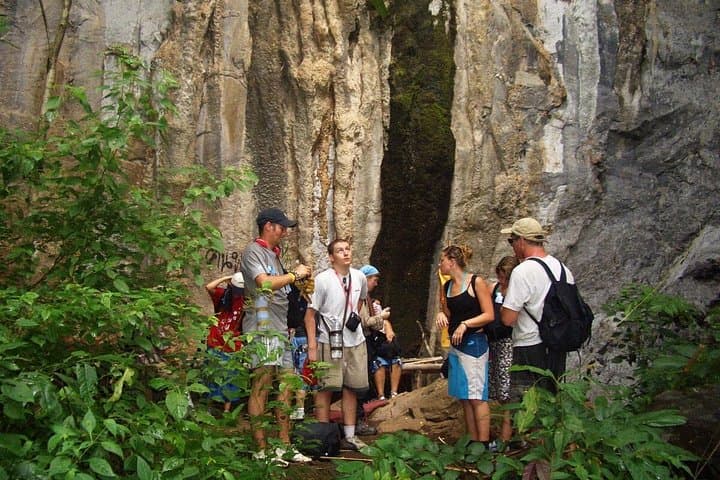
Mae Wang’s geology is quietly old: eroded sandstone and lateritic soils shaped by seasonal monsoons, feeding a network of small waterfalls that swell between May and October. Culturally, this route threads through Karen hill-tribe territory; nights are spent in simple houses where storytelling and food mark a different pace of life. Expect practical lessons in village farming, plus respectful introductions to local customs.
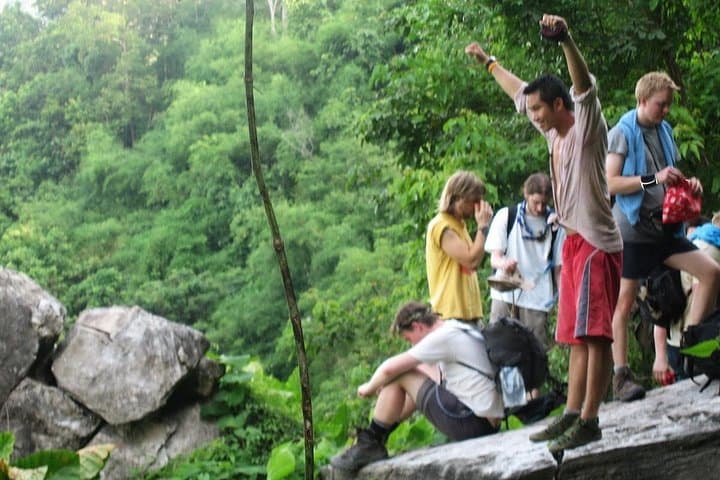
The trek itself is moderate—singletrack through dipterocarp and mixed-deciduous forest, muddy steps in the wet season, exposed roots where the slope steepens. Waterfall swims are cool and refreshing; bring a towel and quick-dry layers. Guides carry packed meals and local rice-based dishes; accommodation alternates between family homestay and basic bamboo huts with mosquito netting.
Practical tips: plan around the monsoon if you want dryer trails; waterproof shoes and a headlamp are useful; buy travel insurance that covers jungle trekking. Hydrate early in the day and pace uphill sections—altitude is modest but humidity can sap energy. This three-day loop pairs cultural exchange with hands-on trail time: simple, active, and grounded in place.
moderate.
3 days.
Good baseline fitness for 2–4 hour daily treks and river activity; able to manage uneven terrain and humid conditions.
Moderate fitness—expect multiple 2–4 hour hikes on uneven, sometimes steep trails; you should be comfortable walking several hours a day with a small daypack.
Facilities are basic: homestays and bamboo huts have simple latrines and bucket/solar showers may be available; bring biodegradable soap and quick-dry towels.
Dress modestly (shoulders and knees covered), remove shoes when entering houses, and ask before photographing people—small gifts like school supplies are appreciated.
Tours run during rain season but trails become muddy and rivers higher; operators adjust routes for safety, but expect wet conditions and occasional cancellations in extreme weather.
Mae Wang sits within upland communities historically connected to shifting subsistence agriculture; Karen villages in the area have long maintained swidden fields and rice terraces adapted to steep slopes.
Local guides emphasize low-impact camping and waste pack-out; stick to trails to avoid erosion and respect village rules to support sustainable tourism.
Sunleisure World operates guided outdoor trips and adventures with an emphasis on safety, stewardship, and memorable experiences.
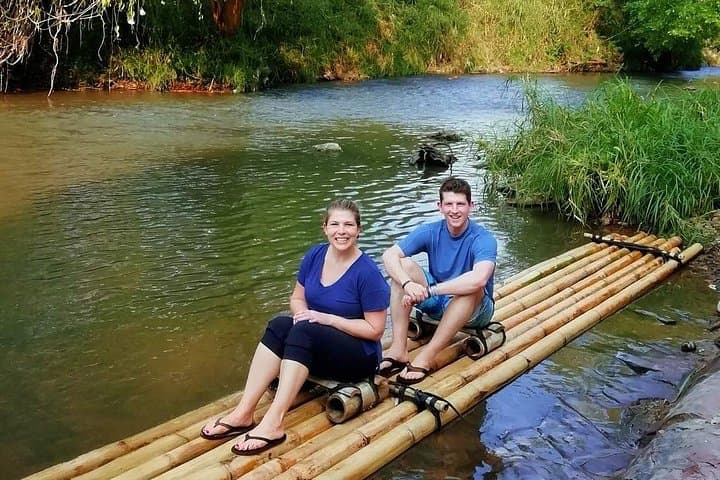

The morning truck kicks up red-dust as it bends away from Chiang Mai and the jungle tightens around the road—rice terraces give way to steeper ridgelines and a river that dares you to slow down. By mid-morning you push off on a bamboo raft, river currents nudging the raft through shaded pools while the guide points out orchids clinging to the banks.
The morning truck kicks up red-dust as it bends away from Chiang Mai and the jungle tightens around the road—rice terraces give way to steeper ridgelines and a river that dares you to slow down. By mid-morning you push off on a bamboo raft, river currents nudging the raft through shaded pools while the guide points out orchids clinging to the banks.
Mae Wang’s geology is quietly old: eroded sandstone and lateritic soils shaped by seasonal monsoons, feeding a network of small waterfalls that swell between May and October. Culturally, this route threads through Karen hill-tribe territory; nights are spent in simple houses where storytelling and food mark a different pace of life. Expect practical lessons in village farming, plus respectful introductions to local customs.
The trek itself is moderate—singletrack through dipterocarp and mixed-deciduous forest, muddy steps in the wet season, exposed roots where the slope steepens. Waterfall swims are cool and refreshing; bring a towel and quick-dry layers. Guides carry packed meals and local rice-based dishes; accommodation alternates between family homestay and basic bamboo huts with mosquito netting.
Practical tips: plan around the monsoon if you want dryer trails; waterproof shoes and a headlamp are useful; buy travel insurance that covers jungle trekking. Hydrate early in the day and pace uphill sections—altitude is modest but humidity can sap energy. This three-day loop pairs cultural exchange with hands-on trail time: simple, active, and grounded in place.