THE ADVENTURE COLLECTIVE® · Independent discovery and booking for outdoor travel

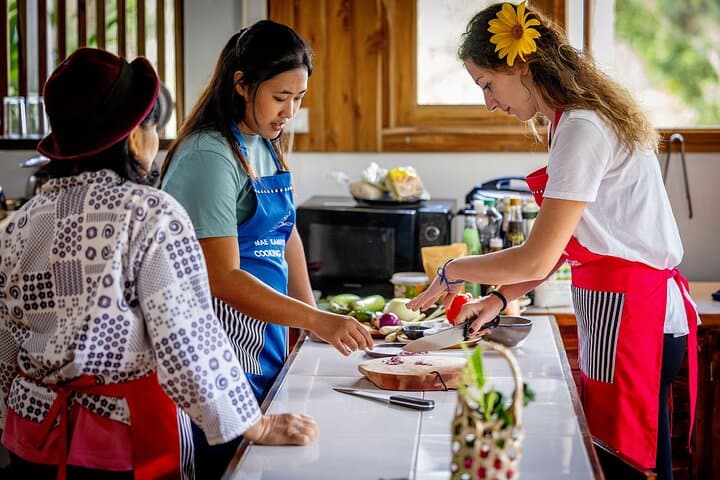
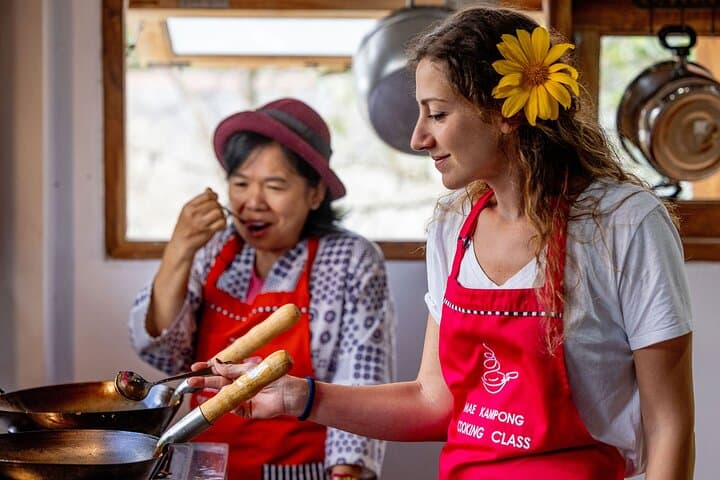
Spend a day foraging the Mae Kampong jungle with a local guide, then turn wild herbs into Northern Thai dishes in a village cooking class. This community-run experience pairs an easy forest walk with hands-on cooking and a visit to a scenic waterfall.
Spend a day foraging the Mae Kampong jungle with a local guide, then turn wild herbs into Northern Thai dishes in a village cooking class. This community-run experience pairs an easy forest walk with hands-on cooking and a visit to a scenic waterfall.
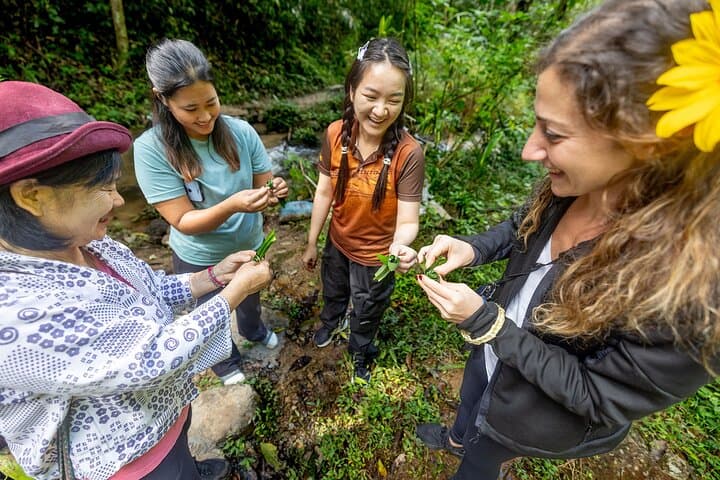
A mist-fresh morning in Mae Kampong opens with the forest breathing around a single-track path. Local guides lead slowly, fingers brushing leaves and pointing out a lemony stalk or a clump of galangal; the jungle obligingly offers up edible scents and a small, shaded waterfall that cools the air.
Verified experiences and guided adventures in the surrounding area.
Operated by Eco Tours Chiang Mai · Chiang Mai, Chiang Mai
A mist-fresh morning in Mae Kampong opens with the forest breathing around a single-track path. Local guides lead slowly, fingers brushing leaves and pointing out a lemony stalk or a clump of galangal; the jungle obligingly offers up edible scents and a small, shaded waterfall that cools the air.
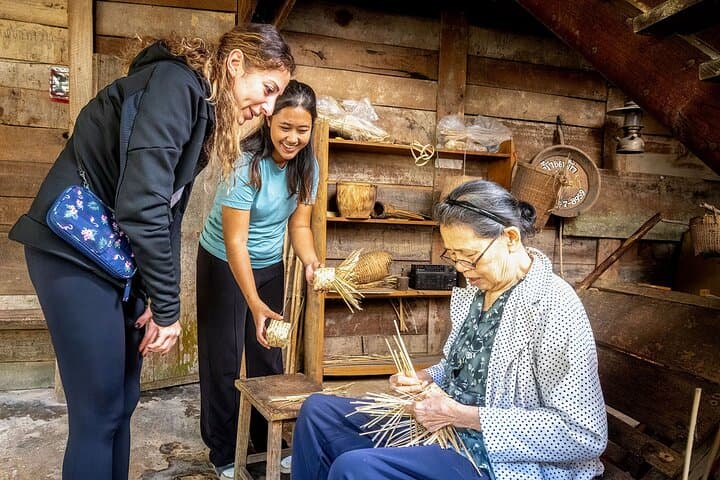
The village sits on the foothills east of Chiang Mai, shaped by Lanna-era farming and more recent community tourism initiatives. Geologically the area is older volcanic soil and weathered granite with narrow stream channels that feed terraced gardens. Culturally, Mae Kampong is a working village where coffee and tea processing, Karen handicrafts, and family kitchens shape daily life—an ideal place to learn Northern Thai cooking straight from local knowledge.
Practically, the experience blends an easy guided walk (about 1–2 km over uneven, sometimes slippery forest track) with a hands-on cooking class in a village home. Expect roughly an eight-hour outing including pickup in an air-conditioned vehicle, time for foraging, and a relaxed meal where students cook and eat what they’ve collected. Vegetarian and vegan options are standard.
Bring closed-toe shoes and a reusable water bottle, and plan for quick weather changes—afternoon storms are common in the monsoon. Respect private property and local customs: ask before photographing people, and tip guides directly if the experience felt personal. The tour supports community-run conservation and economic initiatives, so arrive curious and leave with practical know-how: identify, harvest, and transform jungle ingredients into real Northern Thai dishes.
easy.
8 hours.
Suitable for most fitness levels; participants should be able to walk 1–2 km on uneven ground and stand for cooking.
Yes—pickup and drop-off in Chiang Mai are provided in an air-conditioned vehicle; you’ll choose a pickup point at booking.
Yes—the class offers vegetarian and vegan options; indicate allergies or preferences when booking.
The guided hike covers about 1–2 km on mostly easy terrain but includes some uneven and potentially slippery sections near the waterfall.
Shared tours cap at eight travelers to keep the foraging and cooking hands-on and manageable.
Mae Kampong retains Lanna-era agricultural practices and has grown a community-tourism model that channels visitor fees back into local projects.
The village emphasizes low-impact visits and sustainable tourism—guests are encouraged to follow leave-no-trace principles and support local products.
Eco Tours Chiang Mai operates guided outdoor trips and adventures with an emphasis on safety, stewardship, and memorable experiences.
A mist-fresh morning in Mae Kampong opens with the forest breathing around a single-track path. Local guides lead slowly, fingers brushing leaves and pointing out a lemony stalk or a clump of galangal; the jungle obligingly offers up edible scents and a small, shaded waterfall that cools the air.
A mist-fresh morning in Mae Kampong opens with the forest breathing around a single-track path. Local guides lead slowly, fingers brushing leaves and pointing out a lemony stalk or a clump of galangal; the jungle obligingly offers up edible scents and a small, shaded waterfall that cools the air.
The village sits on the foothills east of Chiang Mai, shaped by Lanna-era farming and more recent community tourism initiatives. Geologically the area is older volcanic soil and weathered granite with narrow stream channels that feed terraced gardens. Culturally, Mae Kampong is a working village where coffee and tea processing, Karen handicrafts, and family kitchens shape daily life—an ideal place to learn Northern Thai cooking straight from local knowledge.
Practically, the experience blends an easy guided walk (about 1–2 km over uneven, sometimes slippery forest track) with a hands-on cooking class in a village home. Expect roughly an eight-hour outing including pickup in an air-conditioned vehicle, time for foraging, and a relaxed meal where students cook and eat what they’ve collected. Vegetarian and vegan options are standard.
Bring closed-toe shoes and a reusable water bottle, and plan for quick weather changes—afternoon storms are common in the monsoon. Respect private property and local customs: ask before photographing people, and tip guides directly if the experience felt personal. The tour supports community-run conservation and economic initiatives, so arrive curious and leave with practical know-how: identify, harvest, and transform jungle ingredients into real Northern Thai dishes.