THE ADVENTURE COLLECTIVE® · Independent discovery and booking for outdoor travel

Glide through the winding mangroves of Madu Ganga on a guided motorboat, stopping at a waterborne Buddhist monastery, a cinnamon plantation and a local fish pedicure. This half-day safari blends wildlife viewing with hands-on cultural stops and easy walking ashore.
Glide through the winding mangroves of Madu Ganga on a guided motorboat, stopping at a waterborne Buddhist monastery, a cinnamon plantation and a local fish pedicure. This half-day safari blends wildlife viewing with hands-on cultural stops and easy walking ashore.
You push off from a low wooden jetty and the motorboat slips into a corridor of green—mangrove roots arching like old hands, water reflecting a sky riddled with kingfishers. The Madu Ganga demands attention: currents tug at the hull, herons watch from exposed branches, and distant villages mark the slow outline of human life against the estuary.
Verified experiences and guided adventures in the surrounding area.
Operated by SAMTOURS | Sri Lanka · Balapitiya, Southern Province
You push off from a low wooden jetty and the motorboat slips into a corridor of green—mangrove roots arching like old hands, water reflecting a sky riddled with kingfishers. The Madu Ganga demands attention: currents tug at the hull, herons watch from exposed branches, and distant villages mark the slow outline of human life against the estuary.
Geology here is recent—sandy spits and silted channels formed by riverine flows meeting the Indian Ocean. The mangroves are nursery grounds for fish and crustaceans and a frontline against coastal erosion. Culturally, the route threads Buddhist islets and small cinnamon gardens where spice drying racks and hand-peeled bark remind you that this coastline has long balanced subsistence with trade.
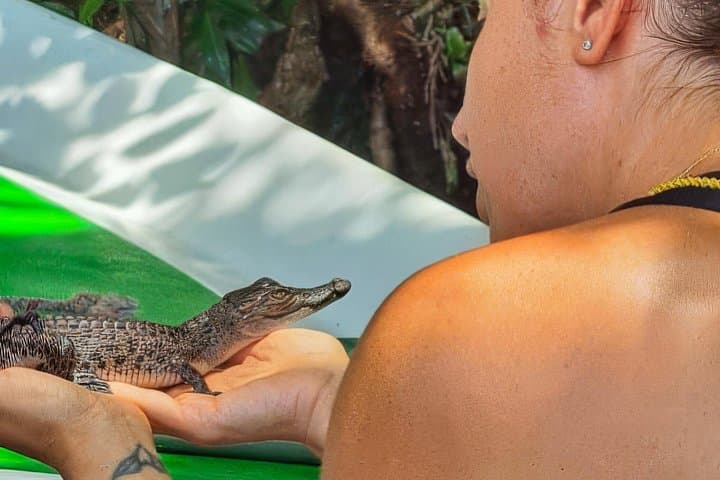
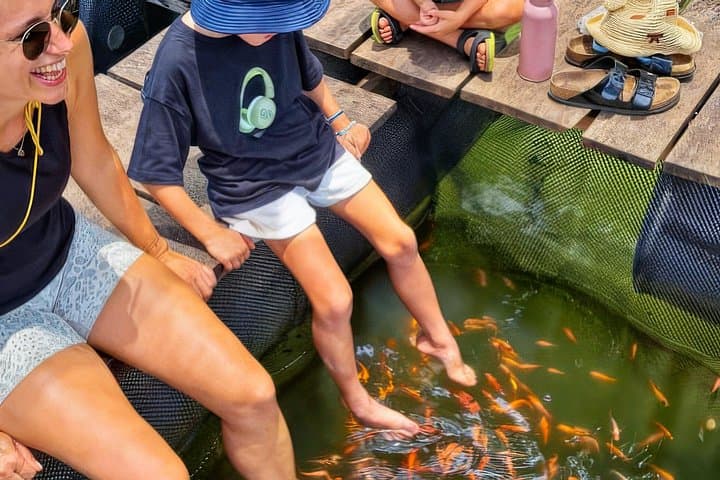
Expect two hours on the water for the core safari, plus time ashore for a monastery visit, a cinnamon plantation stop, and the region’s unusual fish pedicure. Wildlife sightings commonly include monitor lizards, macaques, kingfishers and wading birds; crocodiles are possible but seldom close to the boat.
Practical guide: wear quick-dry clothing, reef-safe sunscreen and sturdy sandals with grip for slippery jetties. Bring insect repellent and a waterproof bag for electronics. Morning departures offer calmer water and cooler light for photography; monsoon months bring choppier conditions and more rain—check local forecasts. Respect the monastery dress code, follow your guide’s lead around local communities, and carry small-denomination cash for purchases. The route is accessible to most with moderate mobility, but those with serious back or heart issues should avoid the trip.
moderate.
2–6 hours.
Moderate fitness: able to step on/off a boat and walk short uneven shore paths; not suitable for those with serious mobility or back/heart issues.
The core river cruise is about two hours; the full experience, including transfers and shore stops, runs up to six hours depending on pickup location.
Saltwater and estuarine crocodiles live in the system; guides keep safe distances and sightings are usually at a distance—follow crew instructions at all times.
Operators typically follow local hygiene protocols, but if you have foot wounds, diabetes, or circulatory issues, skip the pedicure and inform your guide.
Yes—some departures originate from Hambantota with a highway transfer (roughly two hours) to the Madu estuary; confirm pickup and travel time on booking.
Madu Ganga has long supported cinnamon cultivation and small‑scale fishing; local communities processed and traded spices for centuries along these waterways.
Mangrove restoration and regulated boat routes help protect fragile nursery habitats; travelers should avoid littering and follow guide instructions to reduce disturbance.
SAMTOURS | Sri Lanka operates guided outdoor trips and adventures with an emphasis on safety, stewardship, and memorable experiences.
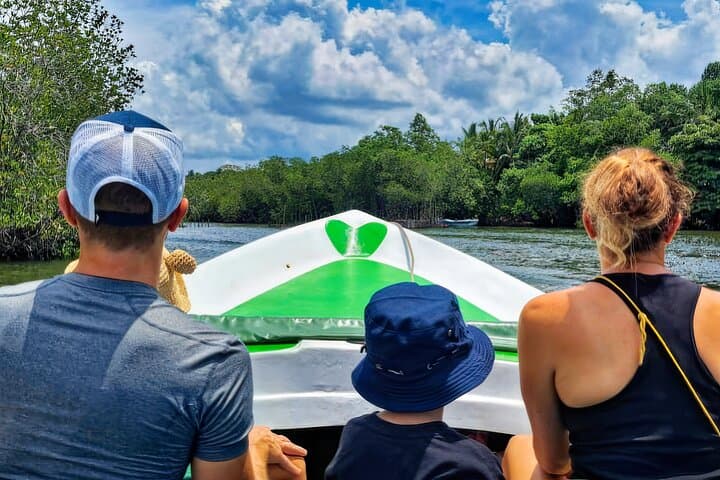
You push off from a low wooden jetty and the motorboat slips into a corridor of green—mangrove roots arching like old hands, water reflecting a sky riddled with kingfishers. The Madu Ganga demands attention: currents tug at the hull, herons watch from exposed branches, and distant villages mark the slow outline of human life against the estuary.
You push off from a low wooden jetty and the motorboat slips into a corridor of green—mangrove roots arching like old hands, water reflecting a sky riddled with kingfishers. The Madu Ganga demands attention: currents tug at the hull, herons watch from exposed branches, and distant villages mark the slow outline of human life against the estuary.
Geology here is recent—sandy spits and silted channels formed by riverine flows meeting the Indian Ocean. The mangroves are nursery grounds for fish and crustaceans and a frontline against coastal erosion. Culturally, the route threads Buddhist islets and small cinnamon gardens where spice drying racks and hand-peeled bark remind you that this coastline has long balanced subsistence with trade.
Expect two hours on the water for the core safari, plus time ashore for a monastery visit, a cinnamon plantation stop, and the region’s unusual fish pedicure. Wildlife sightings commonly include monitor lizards, macaques, kingfishers and wading birds; crocodiles are possible but seldom close to the boat.
Practical guide: wear quick-dry clothing, reef-safe sunscreen and sturdy sandals with grip for slippery jetties. Bring insect repellent and a waterproof bag for electronics. Morning departures offer calmer water and cooler light for photography; monsoon months bring choppier conditions and more rain—check local forecasts. Respect the monastery dress code, follow your guide’s lead around local communities, and carry small-denomination cash for purchases. The route is accessible to most with moderate mobility, but those with serious back or heart issues should avoid the trip.