THE ADVENTURE COLLECTIVE® · Independent discovery and booking for outdoor travel

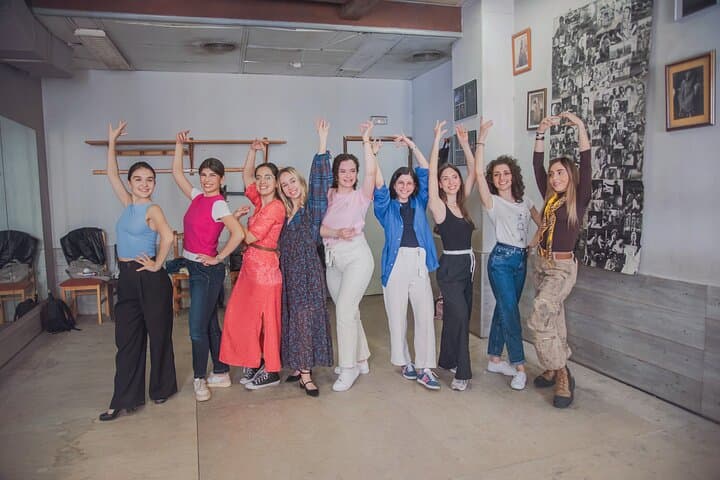
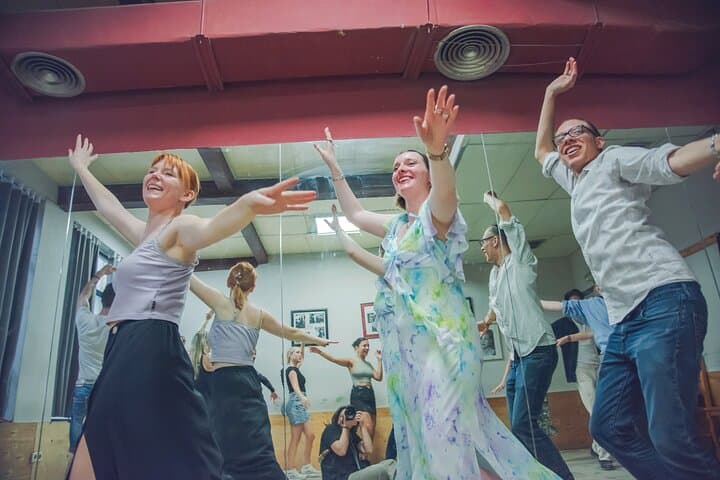
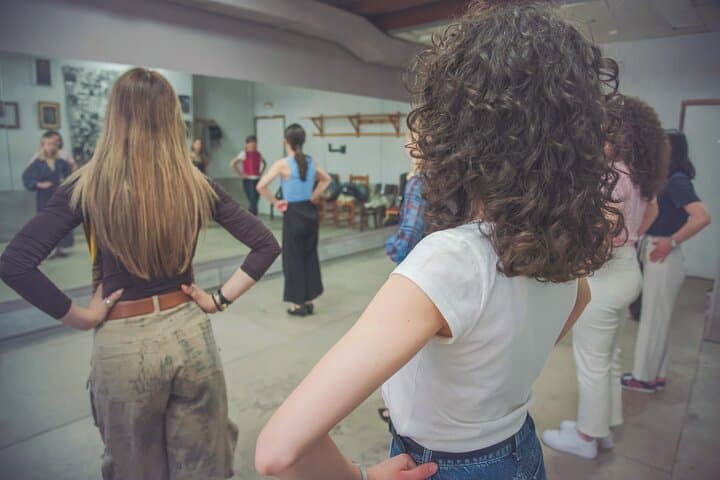
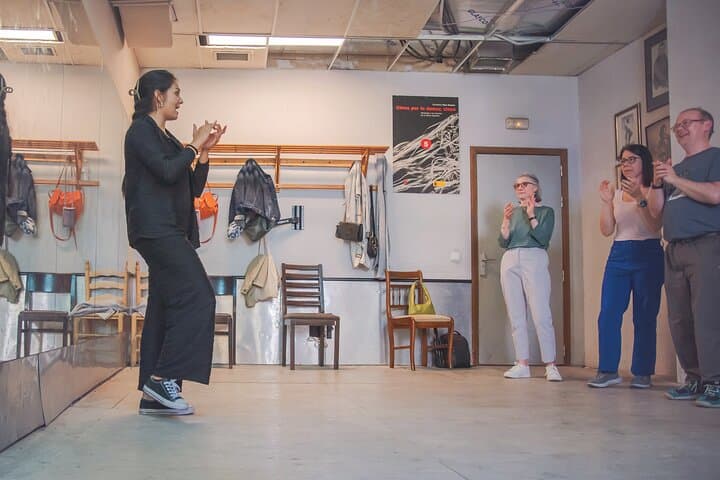
Learn flamenco basics in a focused, one-hour class on Calle de Santa Isabel. Ideal for beginners and small private groups, this session combines rhythmic clapping, arm styling and introductory footwork led by a professional instructor.
Learn flamenco basics in a focused, one-hour class on Calle de Santa Isabel. Ideal for beginners and small private groups, this session combines rhythmic clapping, arm styling and introductory footwork led by a professional instructor.
You step into a warm studio on Calle de Santa Isabel, the floorboards already humming with memory. Light from a street window slants across the room while a teacher counts out a crisp compás; in a single hour you learn to make your hands speak and your feet answer.
Verified experiences and guided adventures in the surrounding area.
Operated by MADride Travel · Madrid, Community of Madrid
You step into a warm studio on Calle de Santa Isabel, the floorboards already humming with memory. Light from a street window slants across the room while a teacher counts out a crisp compás; in a single hour you learn to make your hands speak and your feet answer.
Flamenco arrived in Madrid as a living, shifting tradition from Andalusia, absorbed and reshaped by the city’s theaters and cafés since the 19th century. The technique you’ll touch—palmas (rhythmic clapping), braceo (arm work), and basic footwork—rests on layered histories of Romani, Moorish and Iberian influences, and the studio’s wooden floor carries that lineage with every step.
Classes are typically private for groups or offered on scheduled dates for individuals, often on Saturday evenings. The space is compact and intense: expect close coaching, repetition, and a steady tempo. The physical demand is short but sharp—isolated hip and leg work plus rhythmic coordination.
For planning: arrive with flexible, low-heel shoes and a light bottle of water; wear breathable layers for quick movement. If you want a fuller night, ask about the optional paid upgrade to a tablao (flamenco show) and a drink—booking early secures the best slots for weekend performances.
This one-hour session is as much cultural primer as physical exercise. Treat it as a hands-on introduction—leave time afterward for tapas in Lavapiés or a stroll toward Reina Sofía to keep the rhythm of the evening rolling.
easy.
1 hour.
Moderate coordination and lower-body strength for brief, repeated footwork; suitable for most active adults.
No—this class is designed for beginners and focuses on basic techniques like palmas, braceo and elementary footwork.
The listed address is Calle de Santa Isabel 5, but the final studio location may change; the operator confirms the exact meeting point via WhatsApp before the class.
Yes—there are scheduled dates open to individuals, and private bookings are available for groups of six or more.
Full refunds are available if you cancel at least 24 hours before the scheduled start; late cancellations are non-refundable.
Flamenco traces stylistic roots to Andalusia and was popularized in Madrid in the 19th and 20th centuries through cafés cantantes and later tablaos, becoming central to Spain’s cultural identity.
Supporting small studios helps sustain local artists; be mindful of noise and leave the studio as you found it to reduce wear on historic wooden floors.
MADride Travel operates guided outdoor trips and adventures with an emphasis on safety, stewardship, and memorable experiences.
You step into a warm studio on Calle de Santa Isabel, the floorboards already humming with memory. Light from a street window slants across the room while a teacher counts out a crisp compás; in a single hour you learn to make your hands speak and your feet answer.
You step into a warm studio on Calle de Santa Isabel, the floorboards already humming with memory. Light from a street window slants across the room while a teacher counts out a crisp compás; in a single hour you learn to make your hands speak and your feet answer.
Flamenco arrived in Madrid as a living, shifting tradition from Andalusia, absorbed and reshaped by the city’s theaters and cafés since the 19th century. The technique you’ll touch—palmas (rhythmic clapping), braceo (arm work), and basic footwork—rests on layered histories of Romani, Moorish and Iberian influences, and the studio’s wooden floor carries that lineage with every step.
Classes are typically private for groups or offered on scheduled dates for individuals, often on Saturday evenings. The space is compact and intense: expect close coaching, repetition, and a steady tempo. The physical demand is short but sharp—isolated hip and leg work plus rhythmic coordination.
For planning: arrive with flexible, low-heel shoes and a light bottle of water; wear breathable layers for quick movement. If you want a fuller night, ask about the optional paid upgrade to a tablao (flamenco show) and a drink—booking early secures the best slots for weekend performances.
This one-hour session is as much cultural primer as physical exercise. Treat it as a hands-on introduction—leave time afterward for tapas in Lavapiés or a stroll toward Reina Sofía to keep the rhythm of the evening rolling.