THE ADVENTURE COLLECTIVE® · Independent discovery and booking for outdoor travel

Walk where New York used to be its own world. This 2–3 hour guided tour decodes the Gilded Age streets around Madison Square—Flatiron, Tin Pan Alley, and the Ladies' Mile—revealing how architecture and social change mapped the city's rise.
Walk where New York used to be its own world. This 2–3 hour guided tour decodes the Gilded Age streets around Madison Square—Flatiron, Tin Pan Alley, and the Ladies' Mile—revealing how architecture and social change mapped the city's rise.
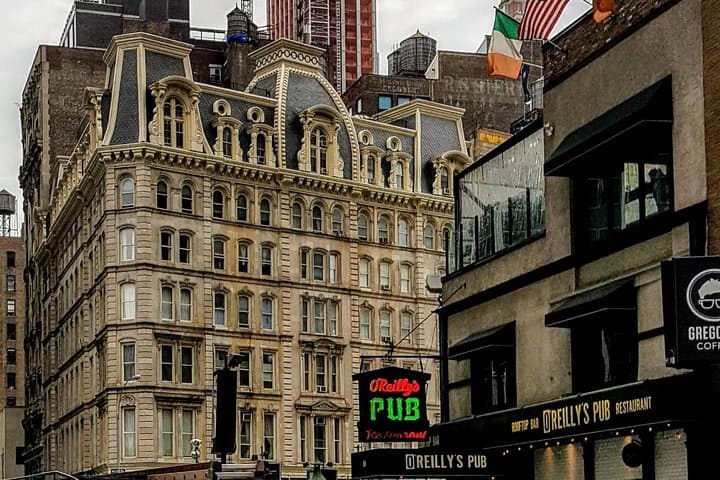
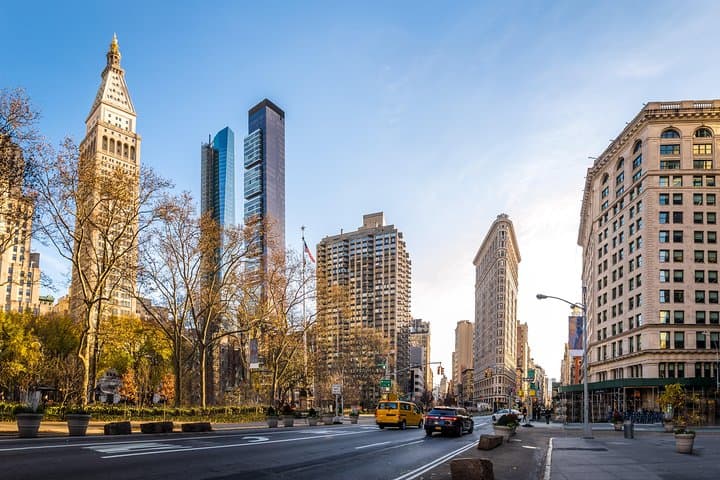
It begins where the map seems to stop telling the full story: at the sharp prow of the Flatiron building, where Broadway forks and streets lean into each other like old rivals. A small group gathers on the Broadway side of the triangle-shaped building and the guide gestures at the streetwall as if reading a book. The city, they say, still carries the handwriting of another era—ornate cornices, mansarded roofs, and stoops that once served a world of carriage trade and piano salons.
Verified experiences and guided adventures in the surrounding area.
Operated by Manhattan Unlocked Historical and Architectural Walking Tours · New York, NY
It begins where the map seems to stop telling the full story: at the sharp prow of the Flatiron building, where Broadway forks and streets lean into each other like old rivals. A small group gathers on the Broadway side of the triangle-shaped building and the guide gestures at the streetwall as if reading a book. The city, they say, still carries the handwriting of another era—ornate cornices, mansarded roofs, and stoops that once served a world of carriage trade and piano salons.
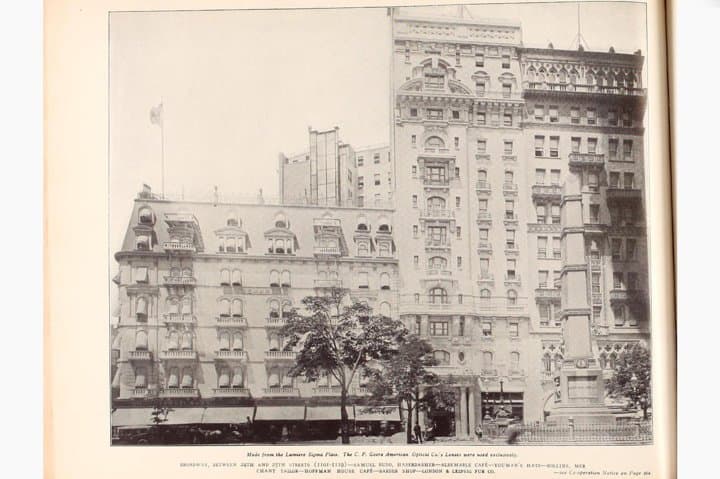
For two to three hours you walk the flattened geology of Manhattan: paved corridors, short rises between blocks, and the unexpected quiet of Broadway between Madison and Union Square. The tour reads those surfaces—stone, brick, and iron—into a narrative of the Gilded Age, when Madison Square was New York's social center and industrial fortunes re-ordered the skyline. You’ll cross the ghost lines of Tin Pan Alley, pause where the original Waldorf-Astoria once presided, and watch the city's architectural language change block by block from French Second Empire to late-19th-century steel-frame lofts.
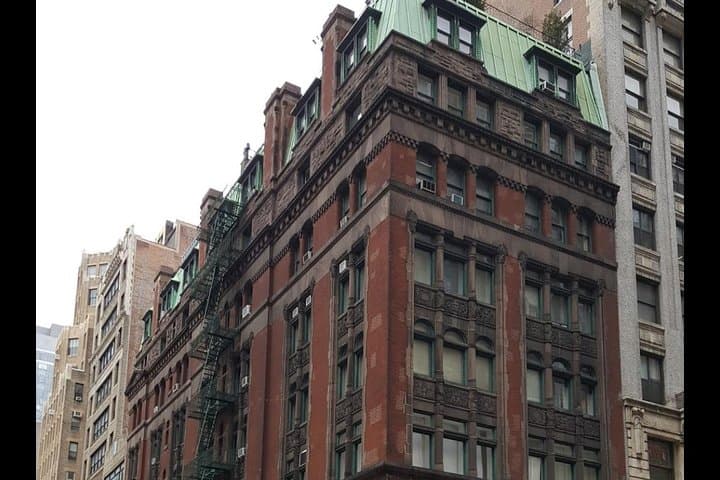
This is civic history as urban archaeology. Buildings that survive here are not monuments so much as argument: facades argue for status, cast-iron columns speak to manufacturing and trade, and department store emporia reveal the rise of consumer culture. The tour also pulls cultural threads—race, class, entertainment districts like the old Tenderloin—into the material story, showing how neighborhoods shifted as wealth moved uptown.
Practicalities are simple but vital. Expect 1.5–2 miles of walking on even sidewalks with occasional curb-to-curb crossings; elevation change is minimal. Comfortable, broken-in shoes matter more than fashion; Manhattan's sidewalks can tire ankles and patience in equal measure. Bring a water bottle and public-transit card—the tour begins and ends at the Flatiron/23rd Street hub, which is well served by subway lines.
Timing matters: late afternoon light sharpens ornament and casts dramatic shadows into cornices, while weekday mornings offer quieter streets for details and photos. Guides on this route don’t just point at buildings—they decode why a cornice was cut a certain way, how storefronts signaled class, and where musicians and publishers once made modern American culture.
For travelers who like architecture with a dose of social history, this walking tour turns familiar streets into a readable past. It’s not a ghost hunt for ruins so much as an invitation to learn how New York built itself, neighborhood by neighborhood, and how that past still shapes the city's pulse today.
moderate.
2–3 hours.
Moderate level—comfortable walking pace on city sidewalks for up to three hours
Meet on the Broadway-side of the Flatiron triangle-shaped building (23rd Street and Broadway); the guide will be waiting there before the tour start time.
Most sidewalks on this route are accessible, but some stops may have uneven curbs; contact the operator with specific accessibility needs before booking.
Yes—families with school-age children often enjoy the storytelling format, but note the tour pace and length (2–3 hours).
Absolutely—guides encourage photography, especially of facades, decorative details, and street-level scenes; bring a zoom for rooftop ornamentation.
Full refund if you cancel at least 24 hours before the scheduled departure time; tours may cancel for bad weather or low enrollment.
Service animals are allowed; for non-service pets check with the operator ahead of time as the tour moves through busy streets.
Madison Square and the surrounding blocks were New York’s social and commercial heart in the late 19th and early 20th centuries, reshaped by industrial fortunes and the rise of department stores.
Preservation efforts protect many facades, but development pressure and maintenance costs make advocacy and sensitive restoration critical to keeping architectural history visible.
Manhattan Unlocked Historical and Architectural Walking Tours operates guided outdoor trips and adventures with an emphasis on safety, stewardship, and memorable experiences.
It begins where the map seems to stop telling the full story: at the sharp prow of the Flatiron building, where Broadway forks and streets lean into each other like old rivals. A small group gathers on the Broadway side of the triangle-shaped building and the guide gestures at the streetwall as if reading a book. The city, they say, still carries the handwriting of another era—ornate cornices, mansarded roofs, and stoops that once served a world of carriage trade and piano salons.
It begins where the map seems to stop telling the full story: at the sharp prow of the Flatiron building, where Broadway forks and streets lean into each other like old rivals. A small group gathers on the Broadway side of the triangle-shaped building and the guide gestures at the streetwall as if reading a book. The city, they say, still carries the handwriting of another era—ornate cornices, mansarded roofs, and stoops that once served a world of carriage trade and piano salons.
For two to three hours you walk the flattened geology of Manhattan: paved corridors, short rises between blocks, and the unexpected quiet of Broadway between Madison and Union Square. The tour reads those surfaces—stone, brick, and iron—into a narrative of the Gilded Age, when Madison Square was New York's social center and industrial fortunes re-ordered the skyline. You’ll cross the ghost lines of Tin Pan Alley, pause where the original Waldorf-Astoria once presided, and watch the city's architectural language change block by block from French Second Empire to late-19th-century steel-frame lofts.
This is civic history as urban archaeology. Buildings that survive here are not monuments so much as argument: facades argue for status, cast-iron columns speak to manufacturing and trade, and department store emporia reveal the rise of consumer culture. The tour also pulls cultural threads—race, class, entertainment districts like the old Tenderloin—into the material story, showing how neighborhoods shifted as wealth moved uptown.
Practicalities are simple but vital. Expect 1.5–2 miles of walking on even sidewalks with occasional curb-to-curb crossings; elevation change is minimal. Comfortable, broken-in shoes matter more than fashion; Manhattan's sidewalks can tire ankles and patience in equal measure. Bring a water bottle and public-transit card—the tour begins and ends at the Flatiron/23rd Street hub, which is well served by subway lines.
Timing matters: late afternoon light sharpens ornament and casts dramatic shadows into cornices, while weekday mornings offer quieter streets for details and photos. Guides on this route don’t just point at buildings—they decode why a cornice was cut a certain way, how storefronts signaled class, and where musicians and publishers once made modern American culture.
For travelers who like architecture with a dose of social history, this walking tour turns familiar streets into a readable past. It’s not a ghost hunt for ruins so much as an invitation to learn how New York built itself, neighborhood by neighborhood, and how that past still shapes the city's pulse today.